Australia’s next great nation-building project isn’t just infrastructure. It’s people

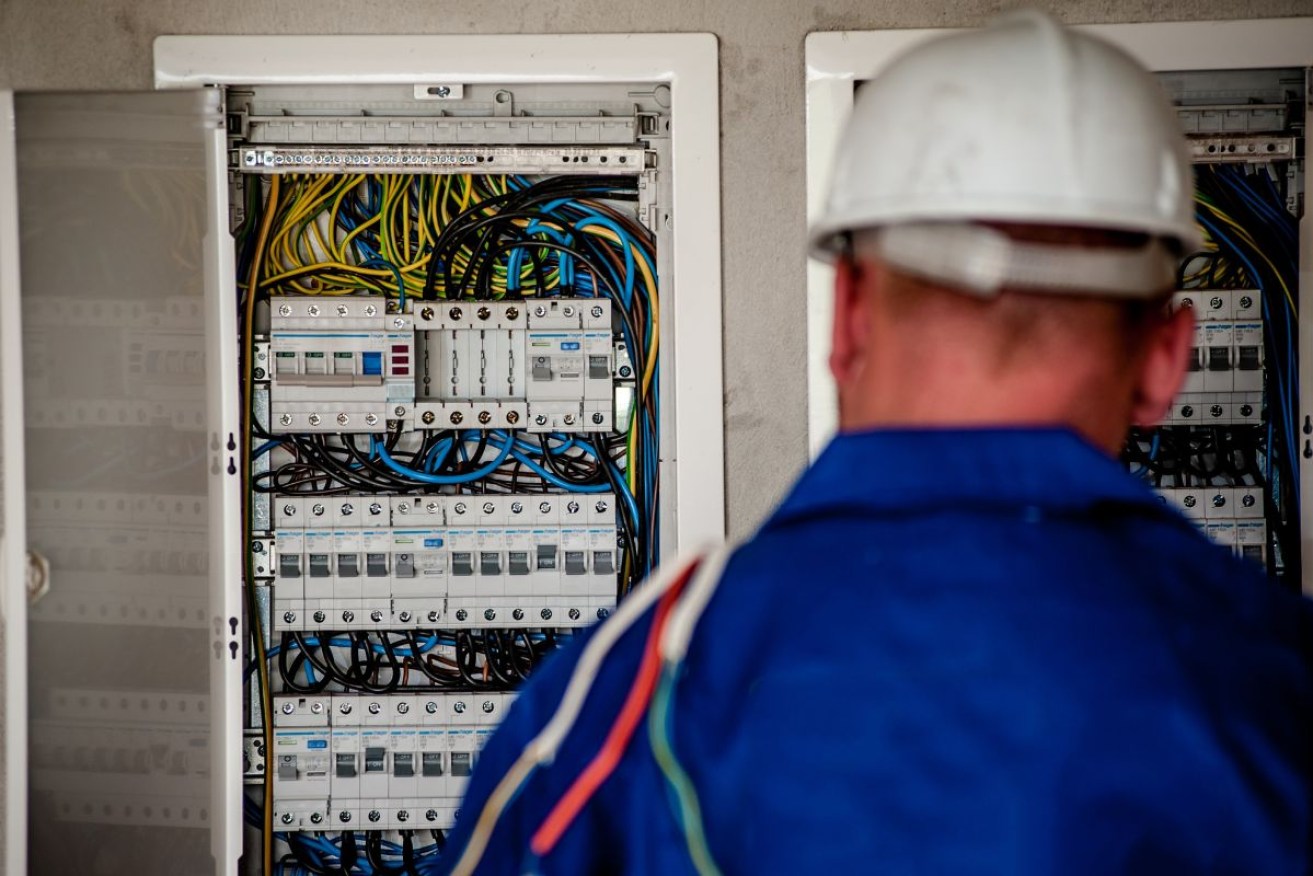
Australia needs to start treating its workforce, including electricians, as a long-term national investment. Photo: Pixabay
Australia has a proud history of thinking big.
We built the Snowy Mountains Scheme, connected a continent through telecommunications and invested billions in the infrastructure that underpins our economy.
Today, we’re embarking on another transformation of comparable ambition: Rebuilding our energy system, electrifying our economy and creating the industries that will define Australia’s future. But there’s a fundamental difference between announcing a nation-building project and having the workforce to deliver it.
Right now, Australia risks overlooking the most important infrastructure of all: Its people.
The energy transition is often discussed in terms of technology, investment and targets. We debate transmission lines, renewable energy projects, battery storage and electric vehicles. We talk about gigawatts, emissions and the enormous capital required to transform our economy.
Yet behind every solar installation, transmission upgrade, new home connection and industrial electrification project is a skilled worker. Without them, even the most ambitious infrastructure plans remain plans.
The race for Australia’s electricians
The challenge is not simply that Australia needs more electricians. It’s that almost every major economic priority is competing for the same skills. Our housing ambitions require electricians. So do renewable energy projects, manufacturing facilities, transport infrastructure, data centres and the growing demand for electrification across homes and businesses.
These aren’t separate workforce challenges. They’re interconnected demands on a finite national skills base. While investment in new technologies continues to accelerate, developing the skilled workforce to install, maintain and operate them takes time.
An electrical apprenticeship typically takes around four years. Experienced workers need opportunities to develop new capabilities. Training providers need qualified educators, contemporary equipment and strong connections with industry.
We cannot simply turn on the workforce when a project reaches construction. We need to build that capability years in advance.
One country, different pathways
There’s another dimension to this challenge that rarely makes the national headlines: The complexity of the systems governing our skilled workforce. Australia has a national vocational education and training system, but occupational licensing requirements can differ considerably between states and territories.
New research from Powering Skills Organisation has mapped 126 electrical and restricted electrical licences across Australia’s eight states and territories and the Australian Refrigeration Council, linking them to nationally endorsed training products.
That includes 43 electrical licences and 83 restricted electrical licences. For employers, workers and training providers, navigating these requirements can be complex. A worker’s qualifications, licensing eligibility and opportunities to move between jurisdictions are not always straightforward.
At a time when Australia needs a more agile and mobile workforce, this complexity deserves national attention.
Skills are economic infrastructure
For decades, Australia has treated major infrastructure as a long-term national investment.
We plan roads, ports, railways and energy networks years in advance because we understand that economic productivity depends on them. Workforce capability deserves the same approach.
That means moving beyond short-term responses to skills shortages and thinking seriously about how we build, retain and continually develop the technical workforce. It means making vocational education and training an attractive first-choice pathway, rather than something young Australians consider only after university.
Electrification, battery technologies, digital systems and increasingly sophisticated energy infrastructure are changing the nature of technical work. A qualification cannot be treated as the end of learning. It must be the foundation for a career in which skills continue to develop.
The regions must be part of the opportunity
There is also a question of fairness. Some of Australia’s most significant energy investments are taking place in regional communities. These projects promise economic development, new industries and long-term employment.
Those benefits will not automatically flow to local people. If regional communities are to participate meaningfully in the energy transition, they need access to training, apprenticeships, qualified educators and clear pathways into skilled employment.
Otherwise, we risk building major infrastructure in regional Australia without building the enduring local workforce capability that should accompany it.
A nation-building moment
Australia has the technology, ambition and investment appetite to transform its energy system. What we need now is the same national determination applied to the workforce that will make it possible. Governments, industry, unions and the training sector all have a role to play. No single organisation can solve a challenge of this scale.
We need better coordination between infrastructure planning and workforce development, clearer training and licensing pathways, stronger industry partnerships and a sustained commitment to the people who will deliver this transformation.
The real measure of Australia’s energy transition won’t simply be how much infrastructure we build. It will be whether we develop the skills, opportunities and productive capacity to sustain it.
The Snowy Mountains Scheme is remembered not only for the infrastructure it created, but for the generations of workers who helped build it.
Australia’s next great nation-building achievement should be no different.
The energy transition will be built by people. It’s time we invested in them with the same ambition we invest in everything else.
Anthea Middleton is CEO of Powering Skills Organisation, bringing extensive experience across energy, renewables, and workforce development. With a diverse background spanning global multinationals, start-ups, and government, she is passionate about building the skills and capabilities needed to power Australia’s energy future

AUKUS probe will answer some tough questions