‘Time to act’: Eloquent words in response to the Helen Haines attack are important, but are not enough

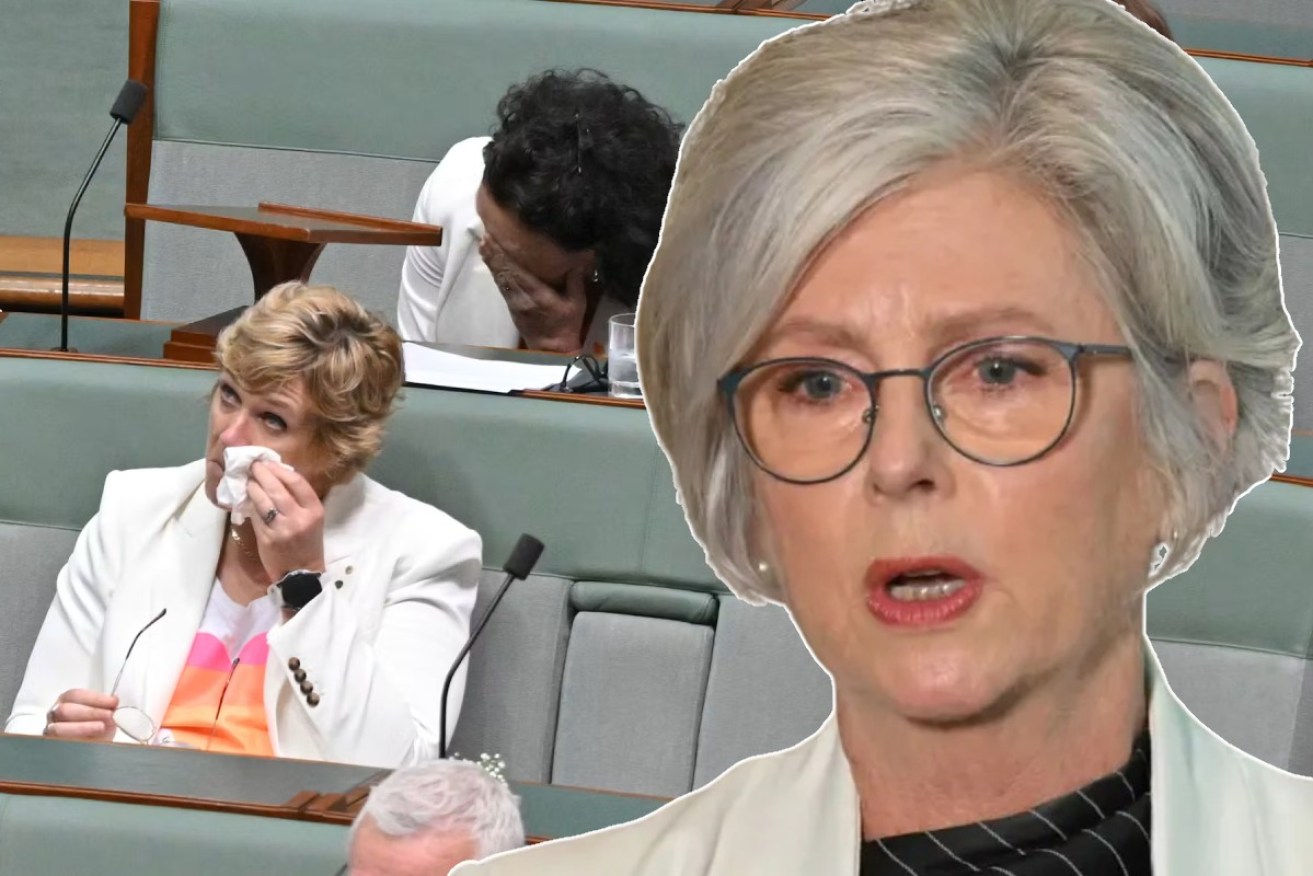
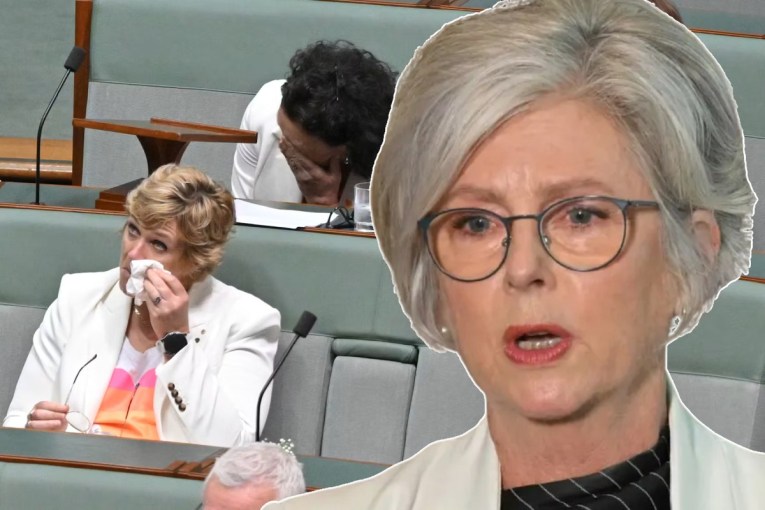
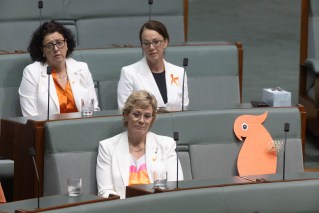
Members in Parliament on Monday were somber, restrained, heartfelt, and insistent.
Monday was an historic day in Parliament.
The members were somber, restrained, heartfelt, determined, insistent.
Voices sought an end to the madness of political violence, and to pull Australia and its political culture back from further descent into recurring horrors.
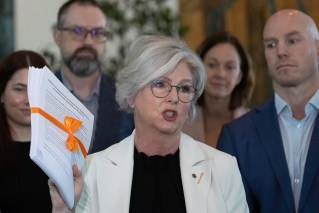
They paid tribute to Helen Haines and what she stood for, and expressed deep hope for Australia’s future and the quality of our democracy.
In hearing and absorbing the news of the horrific injury inflicted on Haines, I was flooded with memories from an eerily similar horror in the United States 15 years ago.
Gabrielle Giffords, a highly regarded member of the US House of Representatives from Arizona, was serving her third term. On January 8, 2011, she was gunned down and almost killed at her electorate office. Six others were murdered, and 12 seriously injured.
It took years for Giffords’ speech and mobility to recover. Her mind was sound. Her path back was like climbing Everest every year.
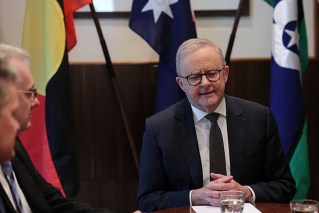
On Monday, Prime Minister Anthony Albanese did not have to consult any other similar nightmares to speak the words that helped bring the nation together.
“Most importantly, [Haines] is just a thoroughly decent human being full of integrity and respected right across the Parliament and everyone who comes in contact with her,” he said.
Then he turned to Australia’s political culture, and the hate within it.
“I’ve called for the temperature to turn down when it comes to political discourse … I think there has been a rise in temperature and there has been too much shouting, not enough discourse, not enough polite conversation and disagreement.”
But it was the words of Governor General Sam Mostyn that provided a truly transcendent message in a speech last week:
“Remind ourselves, as Helen says all the time, that Australians have good hearts, great hearts, and checking each of ourselves to ensure that we are, in fact, disagreeing well, not fighting with one another, not descending into violence and chaos and division. Most importantly, that we learn or relearn to exercise our muscle of decency.”
But even the Governor-General could not silence those who live with hate and rage. Their target was Mostyn.
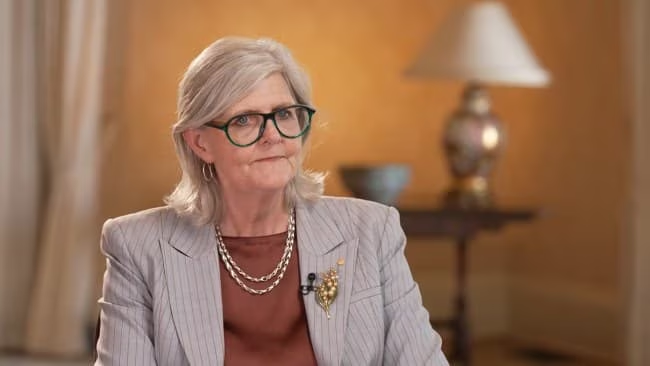
After calling for more respect and calm, Mostyn became a target herself. Photo: News24
“I was just saddened this morning,” Mostyn wrote the next day, “to see some of the comments on my own Instagram page, in capitals with expletives, once again questioning the very nature of what it is that I do.”
Countless words have been spoken. They are not enough.
The same atrocity and desecration of our democracy can occur tomorrow. What can we do to bring civility and decency back to our political culture?
We can, in fact, take some immediate steps to begin to reverse the polarity of hateful speech and political violence in Australia.
Here are three suggestions:
First, when MPs attack other MPs and say things that are truly revolting and out of line, the criticism of such language should come from members of the party of the offender.
US Supreme Court justice Potter Stewart said that he could not fully define pornography, but “I know it when I see it”. We may not be able to define rancid hate-filled political speech that must be silenced, but we know it when we hear it.
In our Westminster culture, it is the criticisms of members of your own party that stick more firmly than when they come from the opposing parties.
In mid-October, Liberal National MP Angie Bell attacked Ann Aly, a minister in the government, and said that Aly and Albanese should be “shamed and stoned in the square”. Aly received 19 death threats after Bell’s attack.
Bell withdrew the remarks, but the hard criticism of her language came from Labor members – and not from her Liberal Party colleagues.
Colleagues within the party should call out statements of violence by their political associates. Shame is a powerful tool in politics. Such shaming will, in fact, help “lower the temperature” of political discourse.
Second, more public disclosure of numbers of attacks – online and physical – of political leaders can serve a constructive purpose.
In the wake of the attack on Haines, Home Affairs minister Tony Burke highlighted that in the past two years, the number of threatening incidents of harassment and violent behaviour against office holders had increased from 951 to 1067.
That crystallised the scope of the threats. Recurring reporting of these statistics will keep this issue in the public consciousness and help reaffirm that we have to keep working to reduce them.
Annual publicising of the road toll across Australia has helped reduce deaths and injuries on our streets and highways. Statistics on antisemitic attacks help us understand how much more needs to be done to stop such violence.
The same principle can be applied to the ongoing threat to our political leaders and our political culture.
Third, critical social media “Duty of Care” legislation is pending in Parliament. This is a world-first initiative that builds on the outstanding work of the eSafety Commissioner Julie Inman Grant.
The legislation notes that the International Covenant on Civil and Political Rights, “requires Australia to take measures to protect persons from exploitation, violence and abuse”.
Under this bill, which is awaiting votes in Parliament, “online service providers will have an enforceable obligation to ensure the safety of end-users, including the prevention and recourse in relation to exploitation, violence and abuse”.
If enacted, the law will require big tech to police their platforms against political violence and abuse. This is exactly what is needed.
The waves of eloquent, fervent words spoken and written on this terrible crisis within Australia’s political culture have been so important. But they are not enough – it’s time to act.