Time for AustralianSuper to walk the talk on climate

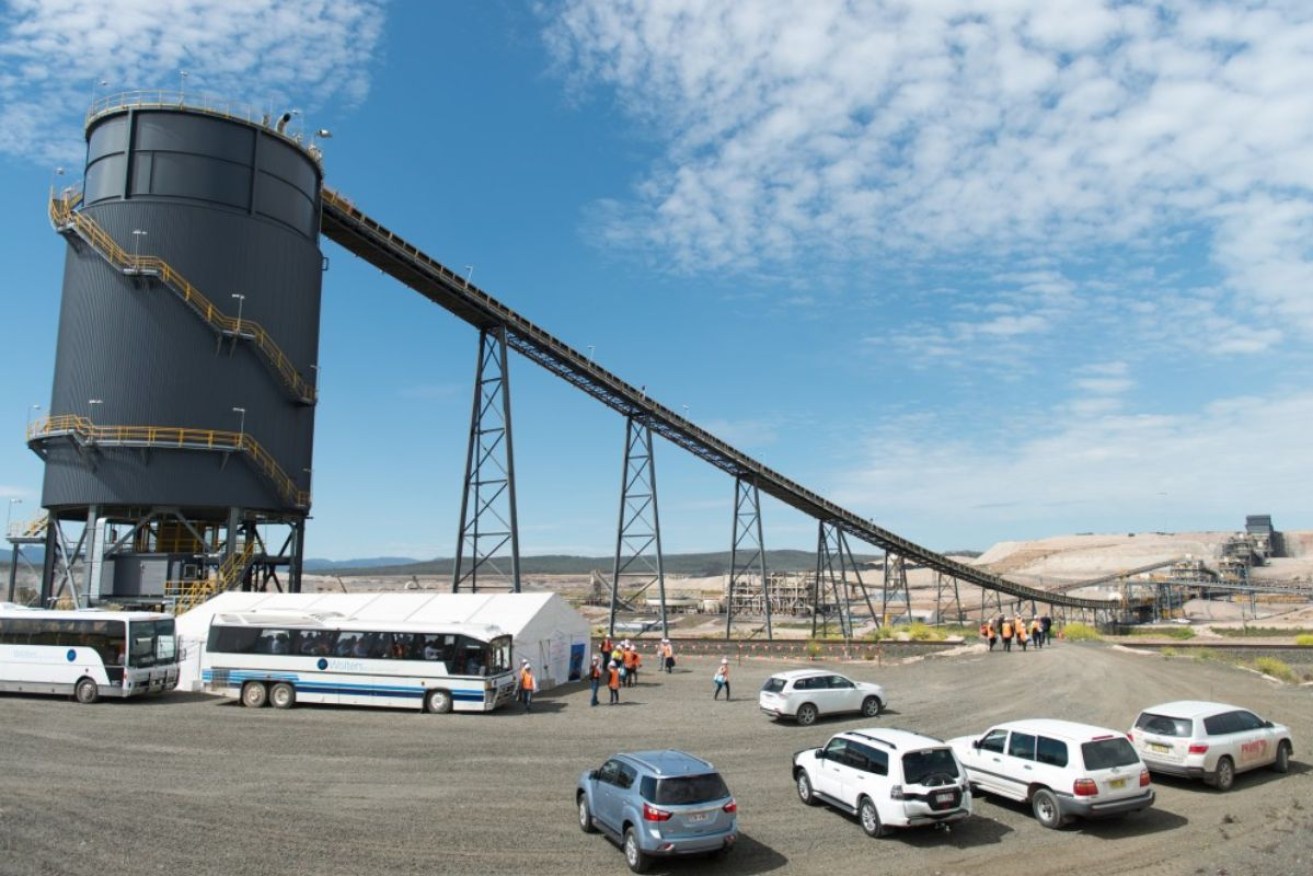
The Maules Creek mine, which opened in 2015, drew vehement community opposition. Photo: Whitehaven Coal
AustralianSuper is not shy about its role and responsibility in managing the escalating investment risks climate change poses to the retirement nest eggs of its 3½ million members.
Let’s make no mistake about the scale of these threats. As we head into a super El Niño summer, security leaders have raised the alarm about national security and cost-of-living risks for Australia and our region.
Meanwhile, new research from Emergency Leaders for Climate Action finds bushfires will cost Australia around $6 billion a year over the next three decades, as climate change fuels more frequent major fires.
The human and health costs are also tragic. More than 15,000 people are being hospitalised each year in Victoria alone and hundreds die annually due to heat stress. Almost 6000 Australians will die from heatwaves in the year 2100 due to global heating, according to a landmark Monash University study.
Translating all of this back to investment risks, expert modelling has found a high global warming scenario would leave super fund balances 38 per cent worse off by 2050.
The country’s biggest super fund says it approaches these growing risks and the critical transition to cleaner energy and net zero emissions in the way it invests as well as its actions as a shareholder in major companies, referred to as investment stewardship.
It’s hard to believe a super fund with such a commitment could have reinvested in Whitehaven Coal after making a song and dance about ditching thermal coal six years ago.
Yet AustralianSuper is the coal miner’s biggest backer, with $850 million worth of members’ retirement savings invested in Whitehaven shares.
That’s the same Whitehaven Coal whose mammoth Maules Creek project in NSW drew the most vehement opposition to any coal mine in Australia’s history until Adani came along.
Many will remember an iconic image of local farmer Rick Laird locked on to mining equipment at the coal mine alongside former Wallabies captain and yet-to-be federal politician David Pocock.
More than a decade after the world committed to keeping global heating well below two degrees – and in the midst of increasingly costly and deadly climate impacts devastating communities around the world – Whitehaven still has six new or expanded coal mining projects in the works. The miner is pouring more cash into at least three of them this year.
So it must be AustralianSuper’s commitment to steering companies along the climate transition track that the fund is relying on when it comes to the massive risks posed by Whitehaven’s coal expansion plans.
AustralianSuper says: “We focus our direct stewardship efforts on the major contributors to emissions… We are asking that they develop credible plans to achieve their net zero goals.”
This is hardly surprising considering its head of ESG and stewardship, Andrew Gray, has been one of the world’s leading voices in the push for investors – including pension funds worldwide – to manage climate risks through their stewardship of companies in which they hold shares.
Gray helped set up and then chaired the steering committee of the Climate Action 100+, an investor-led initiative touted for its laudable aims of driving climate action from the world’s largest corporate greenhouse gas emitters to mitigate financial risk and maximise long-term value.
Now AustralianSuper has the chance of a lifetime to put members’ money where the fund’s mouth is, in line with its duties.
Market Forces has filed a resolution with more than 100 shareholders to be voted on at Whitehaven’s annual meeting on November 5, with a simple disclosure request: How does the company justify spending on new and expanded coal mines instead of returning that cash to shareholders through increased dividends and buy-backs?
Getting an answer to this question is critical for any investor claiming to support the climate goals of the Paris Agreement.
It’s also vital to ask in members’ best financial interests.
Market Forces’ analysis shows Whitehaven Coal’s proposed multibillion-dollar gamble on new mines would generate shareholder value only in a scenario where the world abandons its climate commitments.
But the science is clear that such reckless abandonment would inflict catastrophic, systemic damage across the global economy and the portfolios of big funds like AustralianSuper.
This is not a case of short-term pain, long-term gain for investors. It’s short-term pain for long-term value destruction.
The money speaks for itself. Cash returned to Whitehaven shareholders could have been 44 per cent higher over the past three years had the company diverted the $327 million it spent on developing new projects. That’s leaving aside the billion-dollar final investment decisions being threatened on even more mines.
Whitehaven’s production costs are escalating. And every step the world takes towards the goals of the Paris Agreement drives coal price forecasts down further and faster.
Sinking money into new and expanded coal mining projects doesn’t stack up financially, even before you consider the long-term impacts of burning yet more of the dirtiest fossil fuel.
For AustralianSuper, this is no longer an abstract conversation about risk management principles. It’s an essential opportunity to put those principles into practice to safeguard members’ retirement savings.
AustralianSuper holds significant leverage as Whitehaven Coal’s largest shareholder. Backing a shareholder resolution seeking transparency is far from radical activism. It’s the bare minimum step towards protecting retirement balances and proving that AustralianSuper’s commitments are more than just hot air.
Will van de Pol is chief executive of environmental advocacy organisation Market Forces