Superannuation is not the solution to Australia’s housing problem

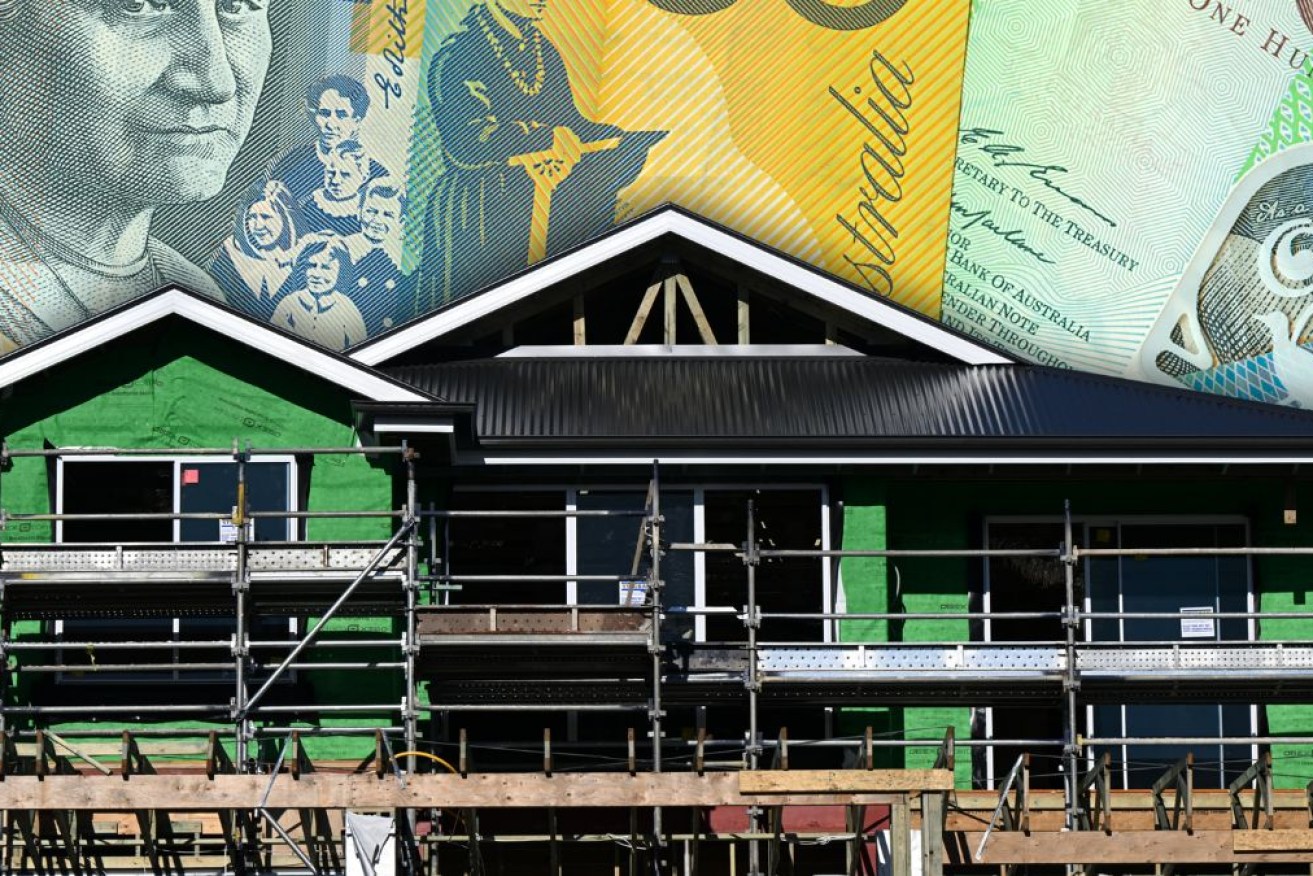
We need better support for people who reach retirement without owning their home. Photo: Canva/TND
Superannuation as a solution to the housing crisis risks trying to fix one problem by making another worse.
The proposal from One Nation to allow Australians to access 3 per cent of their compulsory superannuation to help pay their mortgage or rent is based on a problem that is very real.
Australia’s retirement system assumes people will own their home by retirement – increasingly, they won’t. That means housing costs are becoming a retirement issue.
But allowing broad access to super is not the solution.
Superannuation exists to provide Australians with an income when they stop working. If we start using it to deal with housing costs today, we risk leaving people with less financial security when they reach retirement.
For generations, Australians entered retirement as homeowners, but rapidly accelerating house prices mean people are now buying later in life or finding themselves locked out of the market altogether.
Census data shows just 55 per cent of millennials owned a home in 2021, compared with 62 per cent of generation X and 66 per cent of baby boomers at the same age.
Home ownership is also falling among older Australians. Each successive birth cohort since 1947-51 has experienced lower rates of home ownership by late middle age.
The difference between homeowners and renters in retirement shows just how important a roof over your head is to financial security.
According to the Association of Superannuation Funds of Australia, a single homeowner needs about $36,400 a year for a modest retirement. A renter needs $51,200, almost $15,000 more, simply because they still have to pay for housing.
The problem becomes clearer when you look at the Age Pension. At a maximum of $31,223 a year for a single person, including supplements, it comes close to what a homeowner needs for a modest retirement. For a renter, it falls almost $20,000 short.
As fewer Australians own their homes outright, more people will reach retirement still paying rent. That means retirement savings and the Age Pension will have to stretch much further just to keep a roof over their heads.
The Age Pension was never designed to comfortably cover significant mortgage or rental costs on top of everyday living expenses.
So we’re headed for a situation where more people will need more money in retirement because they don’t own a home.
Taking money out of that retirement pool, and losing the benefits of compound interest, is not the solution.
There is a place for early access to super in a genuine crisis and the existing system allows for this.
Australians experiencing severe financial hardship can apply to access superannuation on compassionate grounds to prevent foreclosure or the forced sale of their principal residence.
That is a targeted intervention. It recognises that losing your home can be a financial emergency without making super broadly available for housing costs.
The Covid-19 Early Release of Super scheme showed that giving people access to their super can be a lifeline when money is tight. But the full implications will become clear only as those people approach retirement.
The ability to access super early in exceptional circumstances makes sense, and the current system allows for this.
But every dollar taken out is a dollar that is no longer growing for retirement, and the impact can be greatest for people on lower incomes who have the least super to begin with.
Letting people tap into their super also won’t necessarily make housing more affordable.
Some of the benefit can ultimately be absorbed through higher prices and spending.
It can feel like a pay rise initially, but if costs and expectations rise alongside it, the improvement in financial wellbeing may not last and we don’t want to leave younger generations worse off.
Two issues are increasingly being conflated – the need to make housing more affordable, and the need to ensure Australians have enough to live on in retirement.
Using super to address housing costs won’t fundamentally fix either.
We need to increase housing supply and improve affordability so fewer Australians are forced to choose between housing today and retirement security tomorrow. And we need better targeted support for people who reach retirement without owning their home.
If more Australians are going to reach retirement without a home, we need action to address that reality, not proposals that leave them with less money to survive it.
Assistant Professors Twane Wessels and Lucia Viegas from Bond University’s Business School are experts in retirement, superannuation and quality of life for older Australians
Want to see more stories from The New Daily in your Google search results?
- Click here to set The New Daily as a preferred source.
- Tick the box next to "The New Daily". That's it.

Migrant debate is just hot air looking for a problem