The tide has turned against big tech’s harm

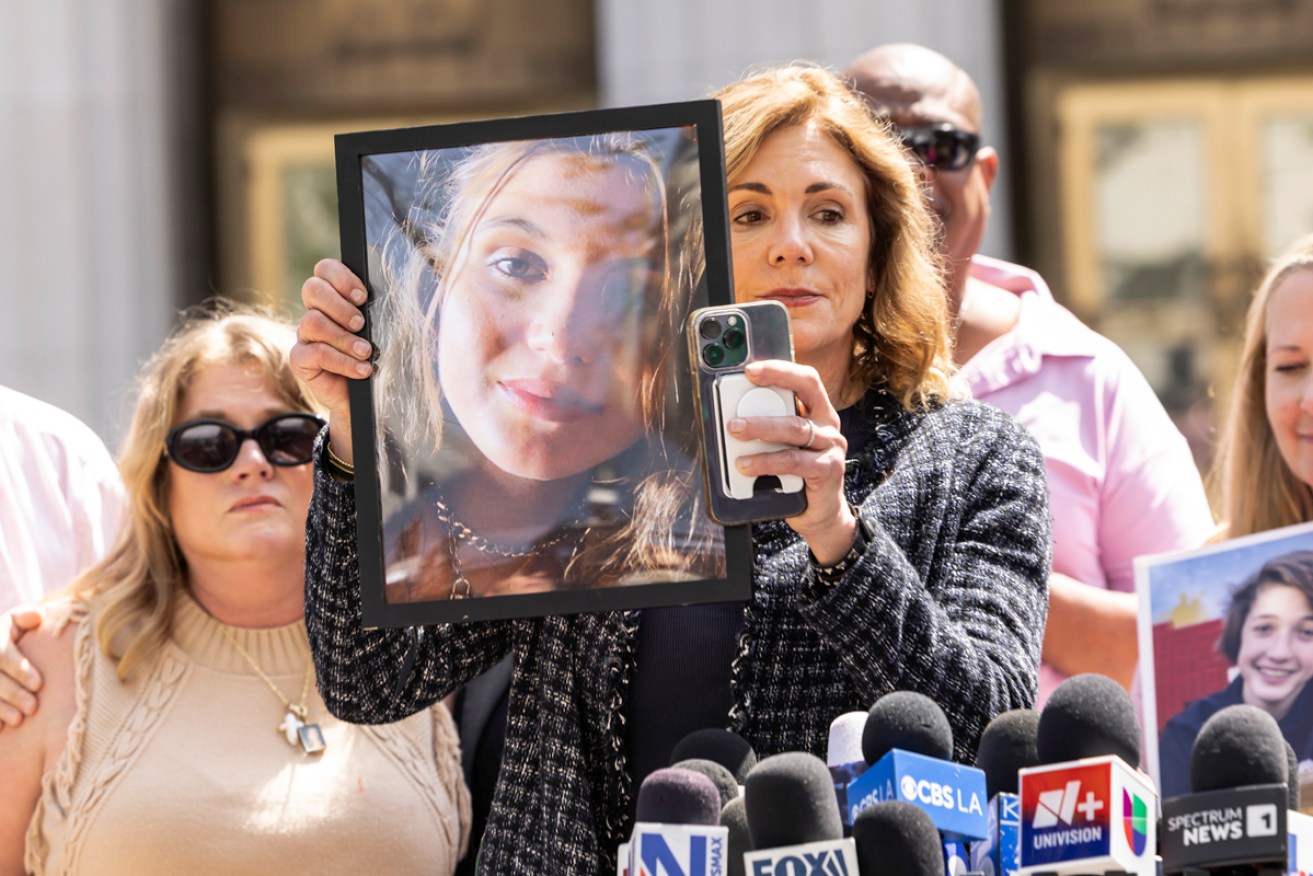
A Meta settlement in a major US court case has been a turning point. Photo: AAP
Since time immemorial, governments of all ideological persuasions have regulated harmful forms of speech, including laws addressing fraud, terrorism, child sexual abuse, death threats, rape threats, inciting racist violence, and inciting sexual assault.
The myriad laws on Australian statute books addressing these serious harms do not elicit shouty cries of “free speech”.
Yet a misconceived claim of censorship is the hill that One Nation and the Coalition are choosing to die on in opposing the Albanese’s government’s plan for a new legislated digital duty of care – a law that would apply to those same harms.
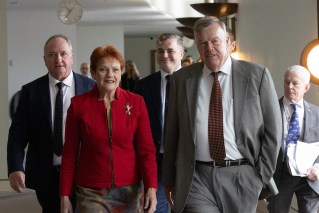
Pauline Hanson set out her opposition, posting: “Australia should be moving away from government censorship, not building the Orwellian machinery for it”.
Hanson’s post came just days after she demanded enhanced security because she has received violent threats. Presumably Hanson doesn’t regard those threats as a form of free speech.
A YouGov poll of more than 1000 Australians also shows that the conservative parties’ opposition to regulating Big Tech is deeply unpopular with the electorate. A staggering 93 per cent of Australians agree that online platforms should be required to provide a safe online environment that prevents illegal and harmful content.
You may remember, after the Bondi terrorist attack, One Nation and the Coalition excoriated the federal government over its “weak leadership” on extremism and antisemitism. One Nation’s website carries media clips of Hanson condemning “rising antisemitism” and government inaction on “hate speech” by “hate preachers”. At the Royal Commission into Antisemitism and Social Cohesion, Elon Musk’s X was described by Richard Lancaster SC, counsel assisting, as “a key perpetrator in the proliferation of antisemitic hate in the online environment”.
Does Hanson now consider that online antisemitism and hate speech are free speech and should not be regulated?
Are Hanson and Liberal leader Angus Taylor going to go the barricades so that Meta can continue to earn what leaked company documents revealed was about 10 per cent of its overall annual revenue from running advertising for scams and banned goods and services, including illegal online casinos and banned medical products? Does fraud become free speech when it goes online?
Notwithstanding the hypocrisy and policy somersaults, the tide has turned against Big Tech in response to its growing catalogue of abuses. Look no further than the US, where thousands of lawsuits have been filed against the companies.
Meta recently reached a $US18 billion settlement with 29 US states, both Democrat and Republican, in a case that accused the company of deliberately setting out to addict children and teenagers to their platforms because the “more time young users spend on Instagram and Facebook, the more Meta earns by selling advertising targeted to those users”.
The settlement also extracted an enforceable commitment from Meta to change design features on Instagram and Facebook to prevent further harm with a view to creating a new, safer industry standard. “Because teens move fluidly across dozens of apps, we need an industry-wide solution. We therefore call on our industry peers, TikTok, Snap, and YouTube, to implement this new framework, right away,” C J Mahoney, Meta’s chief legal officer, said in a statement.
Meta has already begun running full-page advertisements in the US seeking to pressure Tik Tok, YouTube and Snap to fall in line.
Meta fought the case for several years, citing its free speech rights under the First Amendment of the US Constitution. But it capitulated after humiliating defeats in two related cases: One against New Mexico, where a court ordered it to pay nearly $1 billion to the state for allowing child sexual exploitation on its platforms. Its free speech defence failed.
For decades after asbestos was introduced into this country in the 1870s, it was embraced as “a miracle mineral” that was cheap, strong and transformative. Governments ignored and suppressed evidence of its lethal toxicity for decades until the mounting death toll and anti asbestos protests in the 1970s and ’80s meant that the truth could no longer be hidden. Lawsuits began raining down on asbestos producers.
In the 1990s, we were awed by Silicon Valley’s evangelical proclamations that promised the internet was going to transform the world into a better place by spreading information, knowledge and democracy. But there was always a catch: A deeply ideological hostility to regulation. In 1996, John Perry Barlow wrote the now infamous, A Declaration of the Independence of Cyberspace, which read:
“Governments of the industrial world, you weary giants of flesh and steel, I come from cyberspace, the new home of Mind. On behalf of the future, I ask you of the past to leave us alone,” Barlow wrote.
“You are not welcome among us. You have no sovereignty where we gather…”
The techno libertarian ideology has thankfully lost its currency as politicians confront the growing catalogue of online lawlessness and the damage done, whether in the form of child abuse material, doxing, deepfakes or the incitement of violence. Barlow’s declaration now reads like the corporate mission statement of the sovereign citizen movement.
No amount of bastardizing George Orwell’s legacy is going to quiet the growing chorus of community demands for government action. There are too many of us who now either bear the scars of online harm or know someone who has been harmed.
Politicians are increasingly resorting to increased security arrangements as the online sphere has transformed into an industrialised death threat machine. There are the female teachers facing a heightened risk of sexual assault and sexist abuse in class. There are the parents struggling with their children’s online addiction, exposure to violent pornography and spiralling mental health problems. And if you have brown skin or are Jewish, queer, Aboriginal, Muslim, a woman, or are Asian, Hindu, Arab or African or a member of many other groups, going online is dangerous.
We all have skin in the game. This is a time for decisive action by government. The only real question is whether the government’s proposed legislation goes far enough.
Josh Bornstein is director, corporate regulation at The Australia Institute, a lawyer and author of a book on free speech, Working for the Brand
Want to see more stories from The New Daily in your Google search results?
- Click here to set The New Daily as a preferred source.
- Tick the box next to "The New Daily". That's it.

Libs' top culture warrior tied in free-speech knots