This regional town’s big 1888 move holds the key to lower energy bills today

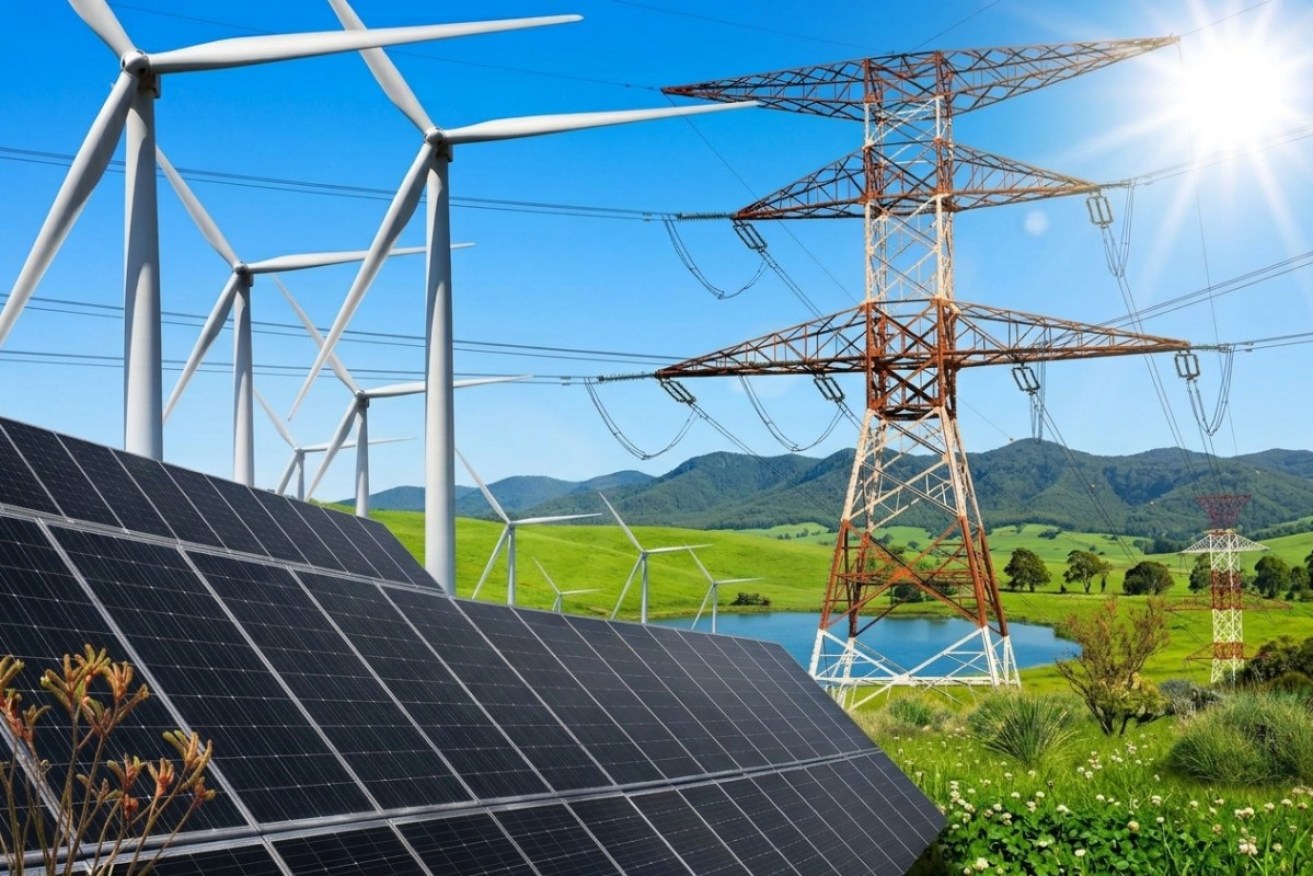
Australia can transform its economy by embracing electrification. Photo: TND/Gemini
Australia’s electrification story started in 1888 in Tamworth, when that far-sighted regional community installed the nation’s first electric street lighting.
Over the following century, governments built out the electricity grid to power our homes and businesses.
But by the 1980s, progress had stalled into a comfortable status quo – using electricity for lighting and appliances, gas for heating, and imported petrol and diesel for everything else.
That status quo worked for decades, but recent years have proven it no longer does.
We live in uncertain times. From the war in Ukraine to the closure of the Strait of Hormuz, we’ve learnt just how exposed we are to volatility in global energy markets.
And while we’ve navigated this year’s fuel crisis well, it has been an object lesson in just how fragile global energy supply chains are.
But, we don’t need to be reliant on them – we have access to compelling new technologies that when used together can secure our energy sovereignty and permanently break our reliance on volatile fossil fuel supply chains.
And not only that, many of these solutions lower energy bills, boost productivity and deliver a service that is better and more efficient than the equipment being replaced.
Solar, wind, pumped hydro and battery storage are already providing the renewable energy, made right here in Australia, that will power our economy for centuries to come.
Yet to really reap the benefits we need to steadily replace equipment powered by gas, diesel and petrol with efficient electric alternatives that can be powered by this home-grown energy.
Around 21.5 per cent of Australia’s energy demand is currently met by electricity, which is about the same as the global rate. Electricity’s share of energy use across the Australian economy has barely shifted over the past two decades.
But the potential is so much higher. The latest research shows that 75 per cent of the global energy system can be electrified now, and that we can reach that level of electrification in the second half of this century.
That potential has been unlocked by the rapid advance in affordable, efficient electric technologies that some are calling the Electrotech Revolution.
High-quality heat pumps are now available for all your heating needs, from your apartment to your agribusiness. If you’re in the market for an EV you can choose a scooter, a big rig, or anything in between.
And there are electric technologies available right now that can replace gas and diesel equipment on farms, in food processors, manufacturers and mine sites right across the country.
And the cost savings are real. It’s estimated that efficient electric appliances can save Australian households around $2000 annually on energy bills.
While the Electric Vehicle Council says EVs are one of the single most effective cost-of-living measures available today, saving Aussies around $3000 per year on fuel and lower maintenance costs.
Australia can take advantage of all this new technology right now.
Indeed, recent Energy Efficiency Council analysis of Climateworks Centre modelling found that focused, sustained effort could get Australia’s electrification rate up from around 21 per cent now to 35 per cent by 2035.
Skyrocketing EV sales and the incredible success of the Cheaper Home Battery Program shows that with the right policy settings Australians are ready to embrace the next wave of clean energy technologies.
We have momentum in some sectors, but other segments aren’t moving quickly enough.
That is why a group of Australia’s leading consumer, business, civil society and research organisations have joined forces under the banner of Electrify Australia.
Launching on 14 September at Parliament House in Canberra, it unites around a policy roadmap that can build momentum towards an electrified Australia.
That policy roadmap contains recommendations that would accelerate electrification in every sector of the economy, including rental properties, manufacturers, food processors, farms, freight and more.
Leaning in on electrification can increase our energy security, lower our energy bills, and boost Australia’s productivity.
It is time to finish the job started in Tamworth in 1888. It is time to Electrify Australia.
Luke Menzel is the CEO of the Energy Efficiency Council, Vice-President of the Australian Sustainable Built Environment Council, and co-host of energy and climate podcast Let Me Sum Up.
Want to see more stories from The New Daily in your Google search results?
- Click here to set The New Daily as a preferred source.
- Tick the box next to "The New Daily". That's it.


Voters want truth in political ads. Will pollies listen?