Australia exports the gas: ‘No-alition’ must not block it for Australians

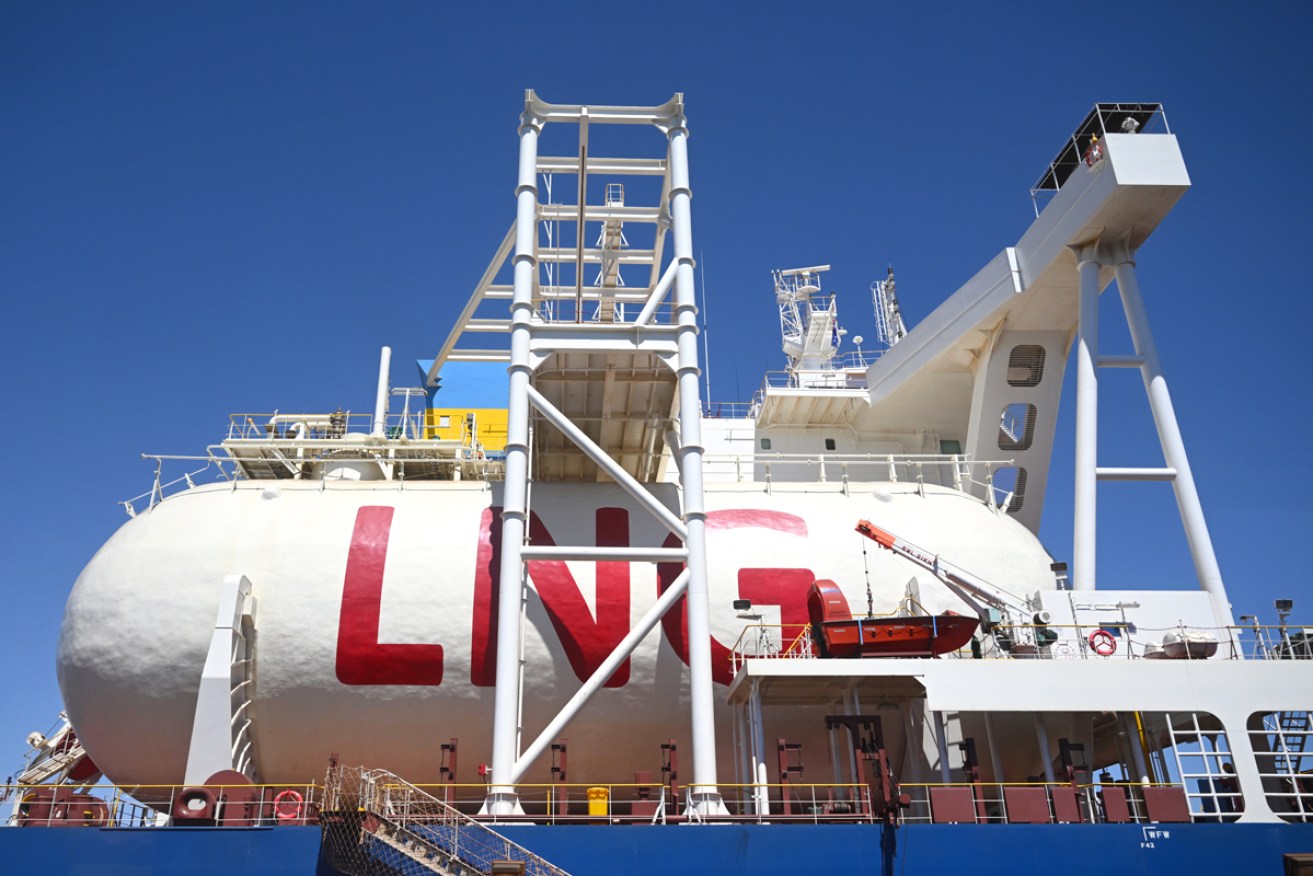
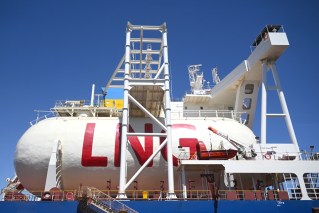
Australia exports more than enough gas to be able to reserve some for manufacturing and domestic use at home. Photo: AAP
Australia is the world’s largest exporter of liquefied natural gas, yet our own manufacturers are left competing for scraps.
This week the Senate has a chance to change that. Instead, the Coalition and the Greens are lining up to block it.
The two parties claim to agree on almost nothing, but they have formed yet another “no-alition” that protects the status quo, and that status quo doesn’t help Australian industry or local consumers.
The government’s bill would create a Domestic Supply Obligation. From 2028, big LNG exporters would have to reserve up to 20 per cent of their annual export energy for Australian users, with the Australian Energy Regulator forecasting demand and spreading the obligation across producers. It’s not rocket science: A country that extracts this much gas should be able to keep some of it for the factories, power stations and households that live here.
Manufacturing unions are urging the Senate to pass it before the end of the year, and they know what is at stake. Gas is feedstock and process heat for the businesses that make things: Fertiliser, chemicals, glass, building materials, food. When prices spike or supply tightens, those plants cannot simply switch off and wait. They cut shifts, defer investment or close. The workers who lose out are not theoretical. They are the people in regional towns and outer suburbs who still make the things this country needs.
You would think the hiding voters delivered to the Coalition and Greens at the most recent federal election would have taught both parties something. It cost the Liberals and the Greens their leaders and a swathe of seats, and the lesson should have been that Australians have little patience for obstruction.
Alas, no. Opposition Leader Angus Taylor says we need investment and that the scheme will drive it away. Coalition resources spokesperson Susan McDonald says Labor’s proposal will leave Australians with less gas and higher prices. The Greens, meanwhile, refuse to back the bill without a 25 per cent tax on gas exports. Both sides are playing politics and arrive at the same place: Nothing passes, and the exporters keep their leverage.
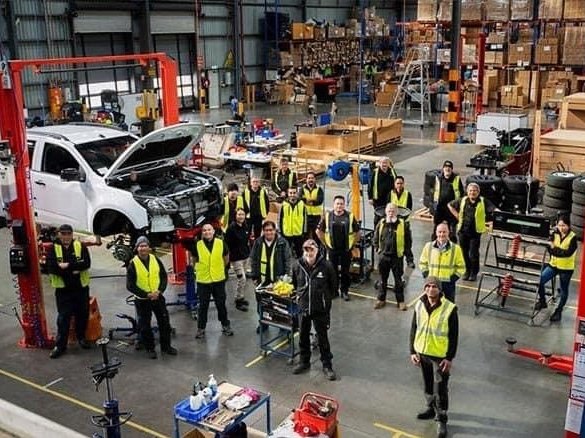
Staff at Holden’s Melbourne production facility with the last HSV. Photo: ABC
That outcome is not an accident of this week’s politics. It is the latest chapter in a long failure to treat industrial capability as something worth planning for. For decades, governments have told Australian manufacturers that the market would sort it out. Whole industries were wound down on that promise, the car industry among them, and the capacity we lost did not come back when circumstances changed. We ship out raw resources and import what they become. Every time a shortage bites, we act surprised.
The Coalition has spent years claiming the mantle of industry and jobs. The Greens say they want a fairer deal for ordinary Australians. Yet when a concrete measure arrives to put a floor under manufacturers’ energy supply, both say delay.
They are not alone. One Nation, which markets its own plan as gas for Australians first, has declared its opposition to the scheme, despite having introduced its own reservation bill earlier this year. It is also a party that has accepted a plane and hosted dinners from Gina Rinehart, whose company holds gas assets. Voters can judge whose interests that opposition serves. Perfect is being made the enemy of the possible, and it is manufacturing workers who pay for the delay.
None of this means the bill is flawless. Analysts have raised real concerns. Grattan Institute’s Hamish McKenzie has warned that the oversupply buffer, which can push more supply into the market than demand, risks depressing prices. It’s a legitimate design question, but the Senate exists for a reason: To fix them. Amend the buffer. Tighten the circumstances in which the minister can exercise discretion. That is what responsible opposition looks like, and it is the opposite of killing the bill outright.
With the question of Western Australia’s separate gas market now resolved, one of the main arguments for delay has fallen away. The remaining objections are not a reason to walk away from the bill.
What cannot be justified is the pretence that doing nothing is neutral. A gas market that leaves local manufacturers exposed to international price spikes and domestic shortfalls is a policy choice, made by default, with real-world consequences.
Industrial policy is not a dirty phrase. It is what every serious economy practises, and what Australia has avoided for a generation. The sovereign capability we say we want, in fuel, in energy and in manufacturing, does not magically appear by itself. It requires governments willing to make decisions, accept trade-offs and stick with them.
The Senate should pass this bill, fix its flaws, and back Australian manufacturing. A “no-alition” that blocks it will be remembered not for what it stood for, but for what it stopped.
Sean Whitworth is a researcher at the John Curtin Research Centre

'No-alition' must stop blocking gas for Australians

Draconian laws, dereliction of duty – done in minutes


Aus in 1986 v 2026: When would you rather live?