If Australians don’t trust the RBA on inflation, the interest rate pain may have to get worse

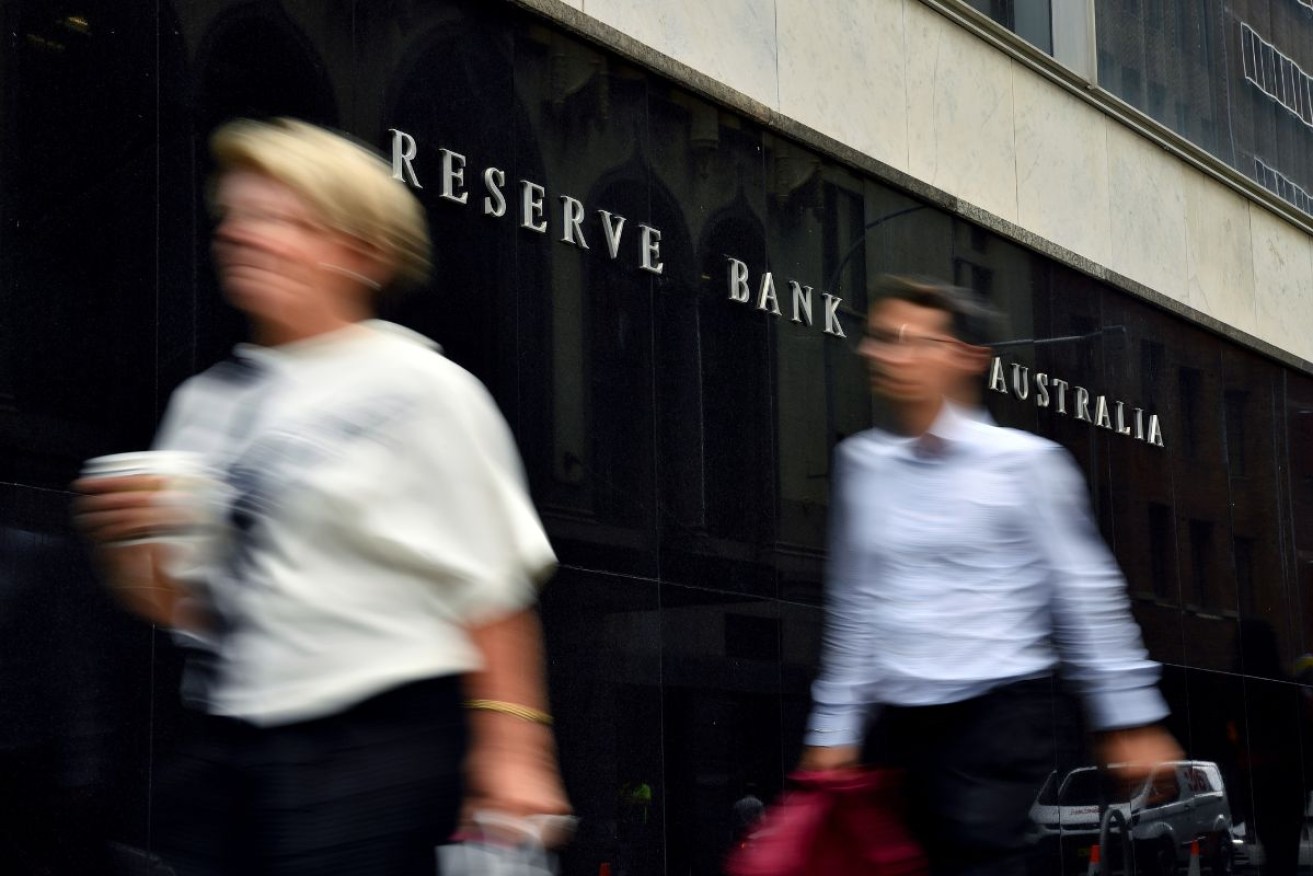
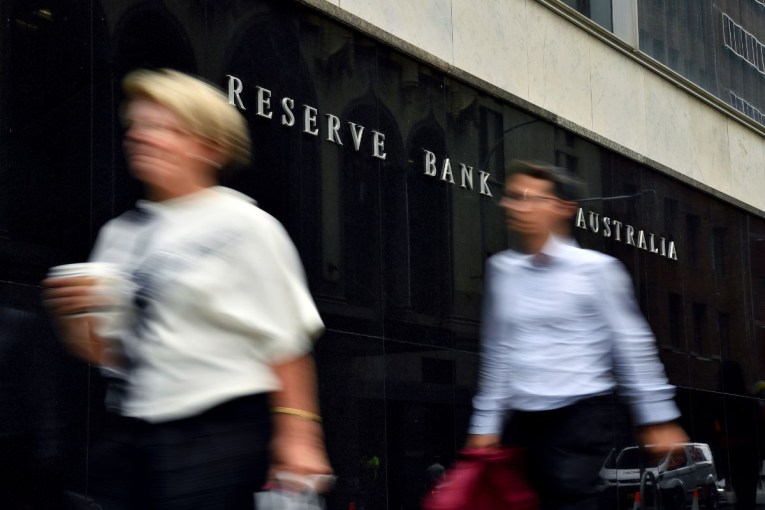
Higher inflation can become a self-fulfilling prophecy – leading, in turn, to higher interest rates. Photo: AAP
As an economist, it’s the question I’m asked wherever I go: “Why has the Reserve Bank of Australia lifted interest rates five times this year? Don’t they realise how much pain I am already in?”
Small businesses are also being squeezed as consumers are spending less; borrowing is costing more; and half of small businesses borrowings are linked to their home loans, which means they are hit twice by the higher rates.
Public anger has prompted headlines about sacking the RBA, while people on social media have been calling the hikes “a bad joke”.
But here’s the risk: The more Australians think we’re losing the fight against inflation, the more the RBA may have to consider another rate hike in the months ahead. Here’s why.
The psychology of rising inflation
As my work on inflationary psychology has shown, Australians are currently in a risky situation.
We’re experiencing rising prices. Anticipating that prices could rise further, we buy more now. That contributes to products or services being scarcer – and leads to further price rises.
Higher inflation can become a self-fulfilling prophecy.
Research published this month in the American Economic Review found that consumers in the United States largely ignore inflation below about 4 per cent. This is backed up by previous studies from other regions, including the European Union.
But once inflation rises above 4 per cent, consumer attention roughly doubles – and inflation expectations start to move with it.
With headline inflation (also known as the consumer price index, or CPI) at 4.3 per cent, Australia has been above that threshold for much of this year.
What it means for wages
Meanwhile, when the CPI hits 3.5 per cent or higher, as it is now, it can trigger a rule in some Australian enterprise bargaining agreements that says workers can try negotiating for a one-off, cost-of-living allowance.
So if 3.5 per cent-plus inflation becomes the new normal, many businesses will have to assume they’ll face higher wage demands.
If that happens, past experience has shown us that businesses will lift prices to cover those higher wages. Wages and prices can then chase each other in a “wage-price spiral”.
However, this is less likely to happen than in the past because workers have less bargaining power, with union membership falling and less frequent wage negotiations.
The RBA’s ‘nightmare’ scenario
When people believe the RBA is on target to deliver on keeping inflation under control, businesses aren’t so quick to increase prices.
But when businesses and workers stop believing inflation can be reined in, that’s a real problem. The Reserve Bank’s deputy governor Andrew Hauser recently warned there are “an increasing share of businesses who are thinking that […] 3 per cent, 3.5 per cent [inflation] is the new normal […] That is the central banker’s nightmare.”
The RBA wants to try to keep underlying inflation within its “target band” of 2-3 per cent. But inflation has been above that band for the past five years – and it’s heading up again.
Why public perceptions matter so much
In another speech this month, Hauser shared the latest data from four RBA surveys of 12,000 Australians since early 2025. The bank still ranks higher on trust than any level of government.
But its surveys show public confidence that it can get inflation back to its 2-3 per cent target has fallen sharply.
That fall in confidence came even before the most recent official figures showing higher, persistent inflation, and November’s interest rate hike.
The Melbourne Institute’s latest November survey, released late last week, shows consumer inflation expectations have been rising since July this year. For a second month in a row, Australian householders said they expect to face 5.3 per cent inflation over the coming year – higher than inflation is now.
Past evidence on rates and inflation
As the Reserve Bank governor Michele Bullock has acknowledged, higher rates can’t tame all types of inflation, such as global oil prices.
The RBA estimates the 2022 rate rises cut household spending between 0.4-0.8 per cent a year and brought business investment down by 4 per cent, both of which helped bring down inflation.
Unfortunately, there is a time lag. Other RBA research shows the effect on inflation peaks one to two years after rates rise.
So the one economic “lever” the RBA can control – raising rates to curb inflation – does have an impact. But it’s not perfect, and it does require patience.
Potential good news before Christmas
The next RBA announcement on interest rates is on December 8. Financial markets – which largely get it right at predicting the RBA’s moves – are overwhelmingly forecasting rates will stay on hold before Christmas. That’s the good news.
Major banks are also forecasting rates could start to come down again as early as August next year.
However, if the RBA gets the sense from future public surveys that Australians think inflation is still out of control, it hasn’t ruled out having to hike rates again.
Meg Elkins, senior lecturer, School of Economics, Finance and Marketing and Behavioural Business Lab member
This article is republished from The Conversation under a Creative Commons licence. Read the original article.

'Hard to describe': Where did Labor’s ideas go?