Our fuel tanks are full. So why does it still hurt?

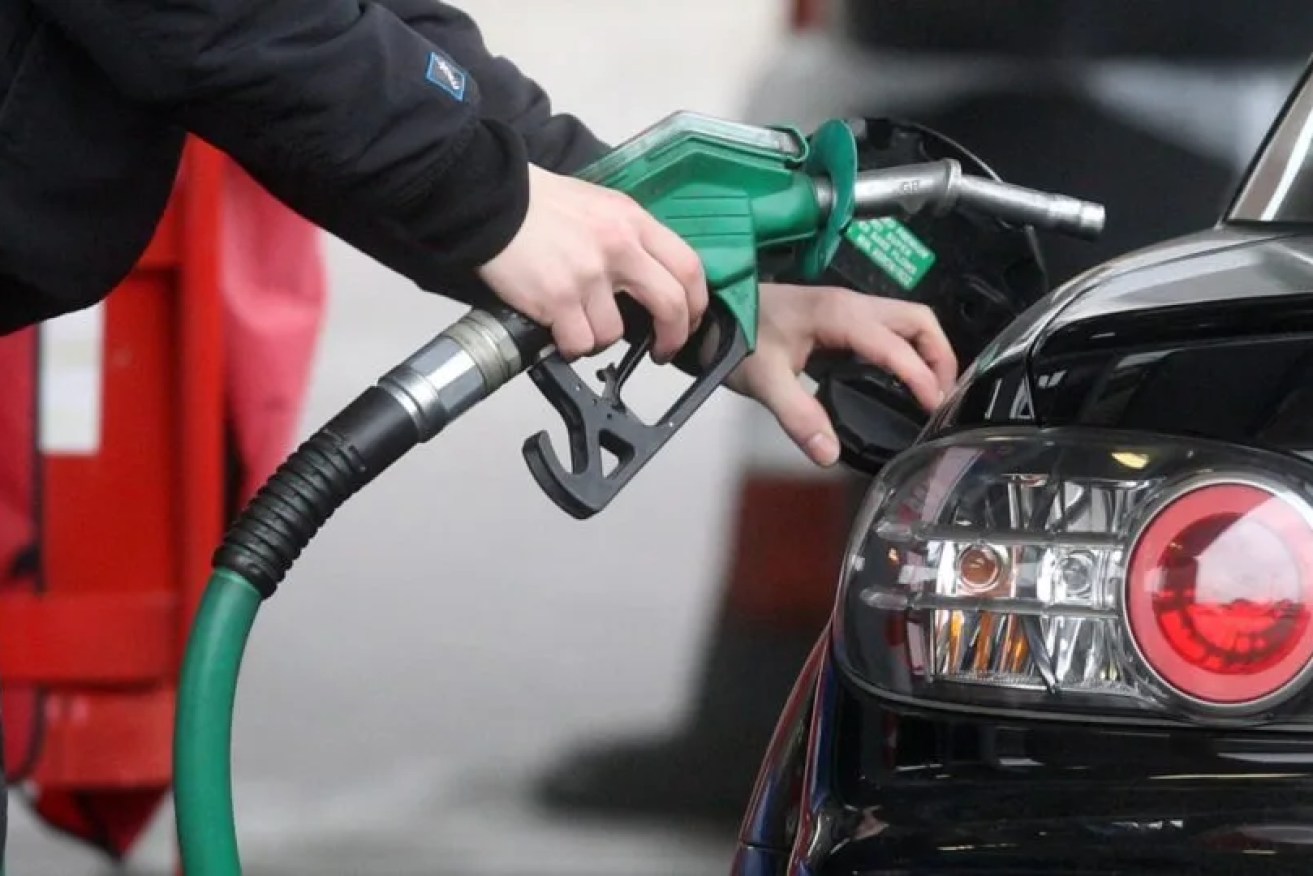
Australia's fuel storages are full, but the economic hits keep coming. Photo: TND
Like the Ukraine war before it, the Iran war has woken us up to Australia’s fuel security problem. But Australia has been sleepwalking through oil-driven economic shocks for decades.
For an upcoming Grattan Institute report, we modelled the impact of global oil prices on Australia’s economy since 1985 – and we found that Australia’s oil imports are a major driver of inflation and unemployment.
Over the past 40 years, global oil shocks explain more than a fifth of the movements in inflation and the exchange rate, and almost a third of the movements in GDP growth. These oil shocks hit the Australian economy in good times and in bad.
Supply shocks like wars, blockades or hurricanes take oil out of the market, and buyers bid up what is left. We found that a supply shock on the scale of the Iran war leaves more than 55,000 more Australians unemployed a year later.
The opposite – a demand shock – also hits the economy. If a foreign country has an economic boom, its demand for steel, cement, freight, and ultimately oil, spikes. If production cannot keep up, oil gets more expensive. Australians then pay more for the fuel that moves groceries, runs farm machinery, and gets us to work. By making oil more expensive, the Chinese construction boom in the 2010s drove Australian inflation up by a full percentage point.
Wars are expensive in obvious ways: Australia paid more than $20 billion extra for imported fuel in the 12 months after the Ukraine war broke out, and over $17 billion so far because of the Iran war.
But our analysis shows that oil imports are costing Australians in invisible ways too, even in peacetime: On six separate occasions since 1985, oil shocks drove inflation in Australia by at least a percentage point.
Some of these shocks pushed inflation down, not up. The clearest examples are the global financial crisis and the Covid pandemic. Global demand collapsed as those crises hit the Australian economy like a freight train. But this is a grim way to get relief from oil-driven inflation. Waiting for another global economic crisis to slay inflation is hardly an economic strategy.
Our findings show that most of the time, oil shocks hit us not during crises we can name, like the Iran war, but instead through a constant, roiling volatility in the economy. Whatever happens overseas – wars, weather, economic booms and busts – we can’t control it, but we do pay for it.
And yet, the federal government’s main answer to the Iran war has been to boost fuel storage. It plans to lift reserves to 50 days of diesel and jet fuel, up from about 30 days before the war. The logic is that Australia’s weak point is supply: If the ships stop coming, the country runs dry.
Fuel storage is important, but it does nothing to overcome the core problem that Australia is almost entirely dependent on imported fuel.
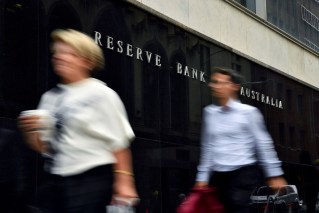
Right now, our fuel storage tanks are full, but the economic hits keep coming. On the day the Reserve Bank lifted interest rates this month, fuel companies held almost twice as much petrol as the rules require. And we have had more fuel stored during the Iran war than before it.
Yet petrol has hit about $2.40 a litre, diesel is $2.80, and inflation is up and not forecast to come down any time soon. A bigger fuel reserve buys time in a supply emergency. It cannot protect us from the economic volatility of the world oil market.
Australia’s fuel import dependence is an umbilical cord to a chaotic world. As long as our economy runs almost exclusively on imported fuels, every future oil shock will flow into inflation, increasing the cost of everything, a drag on the economy.
The lasting fix is to import less fuel. Right now, Australia depends on imports for 95 per cent of our liquid fuels. That needs to change.
Australia needs a plan to make fuel here. Critically, that does not just mean fossil fuels – switching cars, trucking, and industry to using more locally made electricity is the clearest way to tame inflation and reduce fuel imports. None of this is quick – that’s why it has to start immediately.
Continuing to import liquid fuels will cost us, dearly.
The Iran war has forced Australia to confront our fuel insecurity. But don’t think we’re safe when the war ends.
Dr Hayley Pring is a co-author of the upcoming Grattan Institute report Fuelling the future

Aus in 1986 v 2026: When would you rather live?

'Hard to describe': Where did Labor’s ideas go?