Australian households in a world of pain – but there’s an obvious answer to our budget crisis

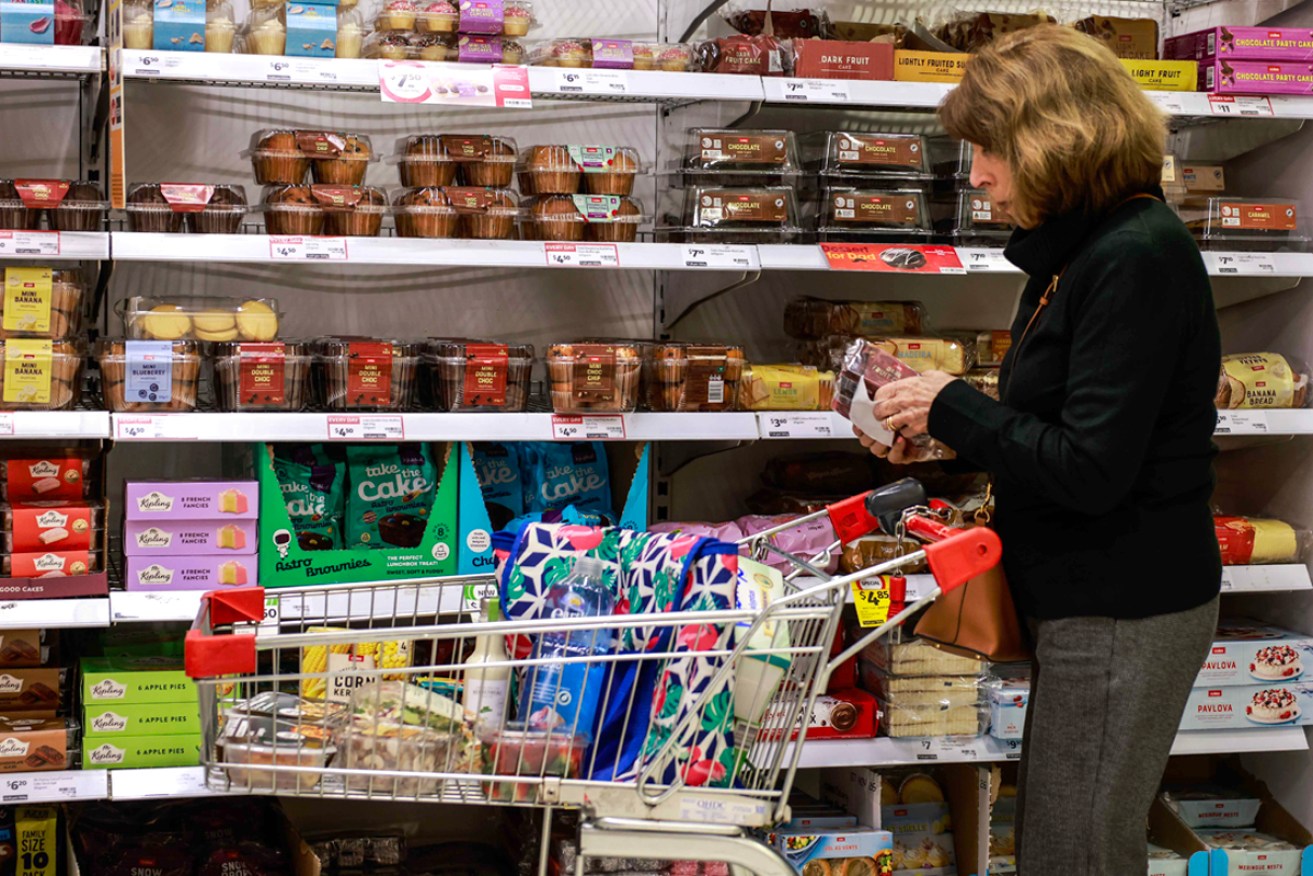
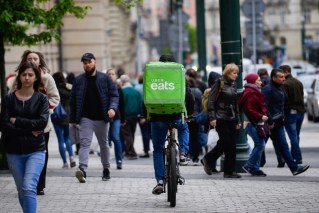
Struggling households are copping the pain of the inflation battle, while doing little to drive it. Photo: AAP
“The word ‘Hurricane’ is the name given to nature’s strongest storm.
A hurricane occurs when high pressure
And low pressure masses of air come in contact with one another.
There is often a significant difference in temperature between the two masses.
One mass is warm, while the other is cold.
The warmer air rises, and the cooler air falls.
Likewise, the low pressure area slides down the sides of the high pressure area.
They swirl in and around one another, creating the beginnings of the storm.”
The Word Hurricane, Air
Australia is in a social and economic hurricane, where the pressure placed on everyday people from those above is swirling into a storm.
At a children’s fair this week, the sort of people who usually donate to food pantries were gathered around a table learning how one might access one.
A friend went into the city for the day. They had to pay nearly $200 for parking and tolls just to do their job.
Teens are being encouraged to buy and glue coloured plastic jewels onto disposable cups as a way to find joy, with “whimsy”; the latest commodified expression of delight.
Small businesses that were encouraged to buy giant gas-guzzlers with tax breaks are making cuts in order to put fuel in them. The nail salons where drop-ins could be accommodated only on the off-chance of a cancellation now sit mostly empty – a mani AND a pedi becoming a rare luxury. Hairdressers who used to offer cut and colour packages now advertise wash and blow dries.
And still the Reserve Bank tells people to cut back on spending and still conservative economists claim it’s never enough.
All these little recession indicators go largely unnoticed by data. We can see and feel what is happening – not just because of what is occurring within our own households, but because of those little changes we are all absorbing, even if we’re not keeping count. Much-needed repairs are put off, teeth go unchecked, visits cancelled.
For those already sinking, the changes are more extreme. When I was growing up, my parents would search the house for change, looking for $5 so they could put that much fuel into the car and get my dad to work. Visiting friends was off limits unless they could pick you up – we couldn’t afford the fuel. There were five people in my house. Three of us ate regular meals. And, still, we were lucky.
The anger over rising interest rates is becoming baked in. The RBA media team is known for contacting journalists about criticism for “not helping its cause”, but the criticism does not go far enough.
Domestic data does not support the decision to raise interest rates. Being wrong in the right company (the market and conservative economists) might make for easier dinner parties and congratulatory op-eds in the financial pages, but it does nothing to look after the welfare – economic and otherwise – of the Australian people.
The RBA board would refute that of course, and trot out the same arguments that the pain is necessary to stop worse down the road. Which would be true, of course, if individual households had any control over the spending that is driving inflation.
Australian households do not set petrol prices. Not buying fuel is not an option, and the increase in petrol prices was the most recent driver of headline inflation.
And before the “government spending” crowd jumps in – if government spending is driving inflation, then why are borrowing rates for other governments rising faster than for Australia? Because all governments are spending, so Australian governments are not Robinson Crusoe there.
And if the government had cut spending (and when advocates for this talk spending cuts, they mean cuts to services you rely on), sure, maybe the RBA would have had to cut rates – but just to keep the economy from falling over?
What services are we supposed to go without? Shadow treasurer Tim Wilson has said we would need to cut aged care, child care and the NDIS even further, which is the neo-liberal go-to (after all – if you can’t contribute to productivity, then you don’t deserve support!). Aside from the devastating impact on those who rely on those services, who aren’t exactly living large in the first place, how is anyone supposed to, you know, work?
So while government spending is being blamed – a talking point being adopted by far-right commentators – no one is talking about the record profits big business is still raking in.
It should not go unnoticed that whenever the inflation conversation takes hold, profits never enter the chat. The usual suspects are happy to talk further cuts – to services and jobs – but never actually raising funds from those businesses that benefit from our pain.
Australia is at a tipping point. Actually choosing the brave route – by taxing gas and raising revenue to pay for services Australians can’t afford – would also, in this case, be the right one. Australians know it. Perhaps it’s time for those who are telling them they are wrong to actually open their eyes to the storm before it sweeps them away.
Amy Remeikis is a contributing editor for The New Daily and chief political analyst for The Australia Institute
Want to see more stories from The New Daily in your Google search results?
- Click here to set The New Daily as a preferred source.
- Tick the box next to "The New Daily". That's it.

Households in pain, but budget crisis can be solved