‘Will it be enough?’: Bullock flags potential fifth rate rise

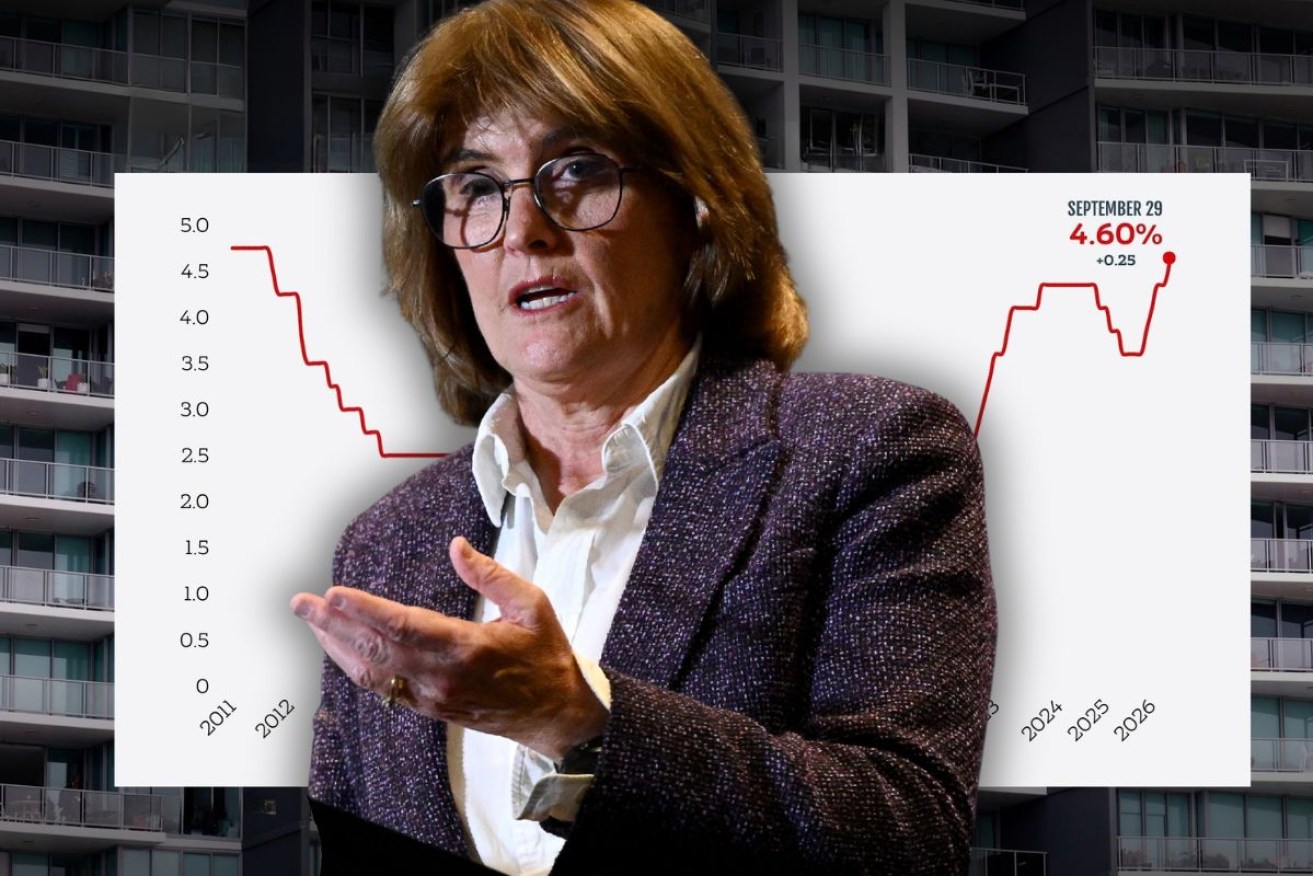
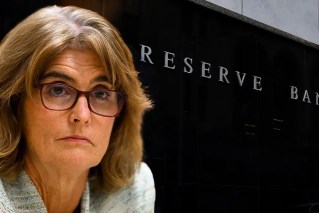
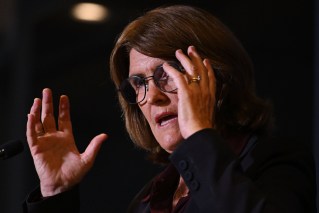
RBA boss Michele Bullock says the effects of the three earlier interest rate rises are yet to be fully seen. Photos: AAP/TND
Reserve Bank governor Michele Bullock has refused to rule out a fifth interest rate rise when the board meets again in just over a month.
On the back of the central bank’s latest rate rise, delivered on Tuesday afternoon, Bullock said inflation figures due out on Wednesday and expected to show a further rise to 3.6 per cent wouldn’t alone be enough to force another rate hike.
“That will mean that inflation, the underlying inflation rate has been about 3.5 per cent for the past six months. Basically since the beginning of the year [but] what’s that’s telling us [is] what’s happened in the past,” she said.
“What we’re trying to do is make sure that we have financial conditions tight enough so that looking forward, that inflation pressure eases.
“We’re not going to put a lot of emphasis necessarily on one number, but it is a consistent pattern that over the past six months, when we look back what happened. Remember we can’t influence that, that’s what happened.”
The increase delivered by a unanimous decision of the RBA board on Tuesday was the fourth in 2026. It takes the official cash rate to 4.6 per cent – its highest level since 2011.
It adds a further $91 a month to a $600,000 mortgage – or a total of $364 in rate rises delivered this year.
And Bullock flagged the pain might not yet be over for borrowers.
“We raised interest rates three times earlier in the year. A lot of that effect is still to flow through. This is one more,” she said.
“What is the hope here, is that this will be restrictive enough – those four interest rate increases – to bring things down. Now, will it be enough? I don’t know, I’m not going to give you forward guidance.”
Leading up to the decision, markets were fully priced in for another rate rise by February and a third in 2027.
With the cash rate at 4.6 per cent after Tuesday’s 25-basis-point rise, the average owner-occupier variable rate will rise to 6.49 per cent, according to financial comparison site Canstar.
Another two increases would mean monthly repayments on the average new owner-occupier home loan of $731,000 would be more than $650 higher than at the start of 2026.
Bullock singled out the war in the Middle East as driving much of the persistent inflation.
“The Middle East conflict has been a big shock and it’s made us all poorer in this country. That is a fact,” she said.
“[But] it’s not the only reason for the decision today … This isn’t all about the Middle East conflict. It is making things much worse. But we did start from a position of excess demand anyway, and that’s why we started raising interest rates even before the conflict started. But it’s made it worse.”
She said productivity remained a concerning issue.
“The bottom line is that productivity is doing nothing. And I know we talk about productivity a lot, but it’s so important if we want the economy to be able to grow and create jobs. So I think again, it seems there’s nothing we can do about productivity,” she said.
Treasurer Jim Chalmers defended the federal government’s record on spending, also highlighting the war between the US, Israel and Iran.
“Australian workers didn’t choose this war, but they are paying a hefty price for it. The war has been a disaster for the global economy,” he said.
He also said productivity had been a key focus but conceded more work was needed.
“You don’t turn around a productivity challenge, which has been entrenched for so long, quickly in a couple of months. Certainly not in a couple of years either. We’ve had this challenge for a couple of decades now,” he said.
If the economy deteriorates further, the RBA’s resolve on getting inflation back to target might be tested.
Earlier on Tuesday, the Australian Bureau of Statistics revealed household spending growth was flat in August. But consumers were still on a strong footing.
On an annual basis, household spending was up 6.8 per cent, which indicated that the economy was still exceeding its supply capacity and further interest rates were needed, said EY Oceania chief economist Cherelle Murphy.
The Reserve Bank board next meets for an interest rate decision on November 2-3.
-with AAP
Want to see more stories from The New Daily in your Google search results?
- Click here to set The New Daily as a preferred source.
- Tick the box next to "The New Daily". That's it.
Pain for borrowers as RBA lifts rates again
RBA rate hike to hit 15-year high

RBA’s inflation warning stokes rate rise fears