‘AI with a little boxing kangaroo sticker’: PM misses mark on ‘inevitable’ technology

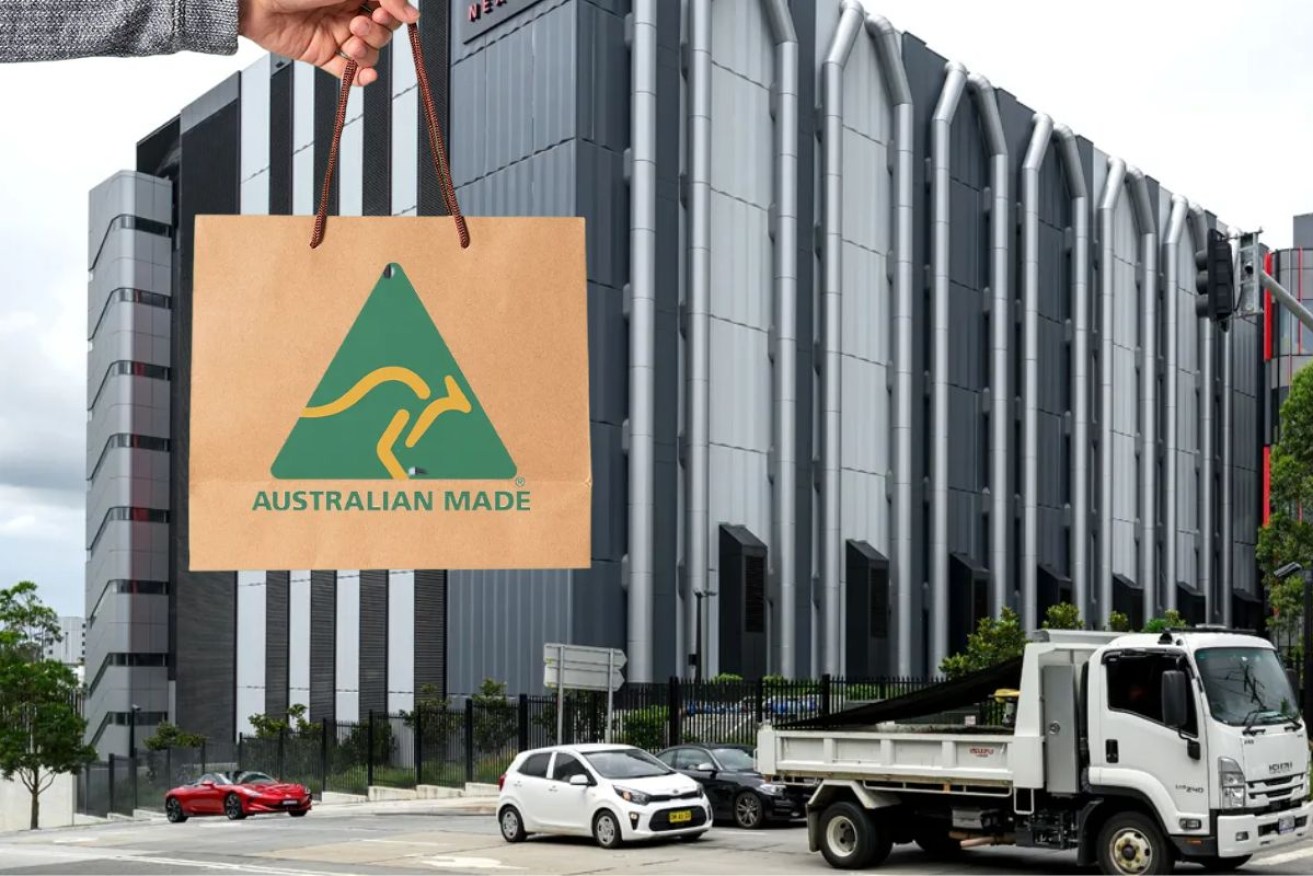
"AI in Australia's interests" is little more than the tech adorned with a cheap sticker. Photo: TND
It says a lot about who holds control in today’s world by how we talk about AI.
The “inevitability” that surrounds the AI conversation – as in, there is no choice but to just adopt this technology, so get on board or get left behind – is, of course, a fallacy.
Humans are trained to find patterns, and so many new technologies of the past have been retrofitted as being “inevitable” changes, which, of course, they weren’t. There were usually competing ideas and technologies, and as with most changes, they were rarely the result of one person or product, but a series of discoveries converging and incorporating into one.
Outsourcing our intelligence, we are told, is one of the last great frontiers. And our governments are rushing to embrace it, lest they be left behind in the “inevitable” wave of change. Even as we allow just a select few to own the future. This is “innovation”. To fight against it, or to even attempt to regulate it, is to be derided as a Luddite.
But Luddites get a bad wrap. Far from being ignorant, Luddites were textile workers who just wanted a fair deal. They found themselves replaced almost overnight by factories and weaving machines and, after appeals to factory owners and government for fair compensation and a transition package were ignored, took to destroying the machines of low-paying owners who refused them dignity.
The government of the day took the factory and machine-owners’ sides, even as it destroyed entire communities. It deployed soldiers against the workers and set about making examples of those caught through deportation or death. We’ve been making an example of them ever since, by using their rebellion as shorthand for technologically inept.
Listening to Anthony Albanese on Wednesday, we are about to do it again.
Albanese’s speech listed Australian achievements such as the secret ballot, women’s suffrage and Medicare before moving on to “AI in Australia’s interests”, which is just AI, but with a little boxing kangaroo sticker. Or, in this case an “office of AI” to sit in the Prime Minister’s Department.
Albanese painted Australia’s issues with artificial intelligence as the nation at risk of falling behind. But behind on what? The Climate Council estimates Australia has about 160 data centres up and running, with another 90 in the pipeline. Demand for energy from the data centre industry is expected to triple by 2030, by which time it is predicted to use as much energy as it takes to power all the homes in Victoria.
Just two weeks ago, the ABC’s Cam Wilson reported that one in 25 teenagers have been affected by AI-assisted online sexual abuse. That works out to at least one student in every year 12 classroom across the country.
The government’s own report echoes research from at least the past two years that shows that women are more at risk of losing their jobs to AI than men, with administrative, retail, marketing and receptionist roles among those identified as most immediately at risk of being automated.
Albanese doesn’t want to see AI replace workers, he says. But there is no plan for how the government will stop it. In fact, it seems to be one of the areas the government is most wilfully blind to, with most rhetoric just focused on the positives.
AI is spoken about in terms of its potential for productivity gains, but not mentioned is the productivity transference – the extra work being created by those having to check what is true and what isn’t. Scientists talk of made-up species, lawyers of made-up case work, teachers of made-up texts.
It’s already replacing jobs – but we’re being told not to worry because, down the track, it might increase productivity. Which sure, if you have fewer people doing more work, productivity increases. But what does that do to society?
These are questions our governments seem hesitant to even address, let alone answer.
Albanese spoke of AI already being in our classrooms and our universities, but not of the universities and classrooms having to go back to handwritten exams and essays, to try to stop the dumbification of education through AI.
The government has no plans to address this, but instead has announced a focus on industry’s energy and water use, with Albanese announcing a “legal obligation for the next generation of large-scale data centres to underwrite new power supply”.
This includes paying for their own share of grid connection, and to “put at least as much energy into our grid as they take out of it”. Which might sound lofty, but given the way Australia has failed – and continues to fail – at regulating or holding mining companies to account for what they do to the land they have legal obligations to care for, I wouldn’t hold my breath that this means anything material for data centres.
Australia has a history of letting industry agree to policy before moving forward with implementing anything. Albanese’s speech on Wednesday shows no signs of this being any different.
Amy Remeikis is a contributing editor for The New Daily and chief political analyst for The Australia Institute


Double standards from groceries to a 'shrug emoji'