The false choice at the heart of Australia’s housing debate

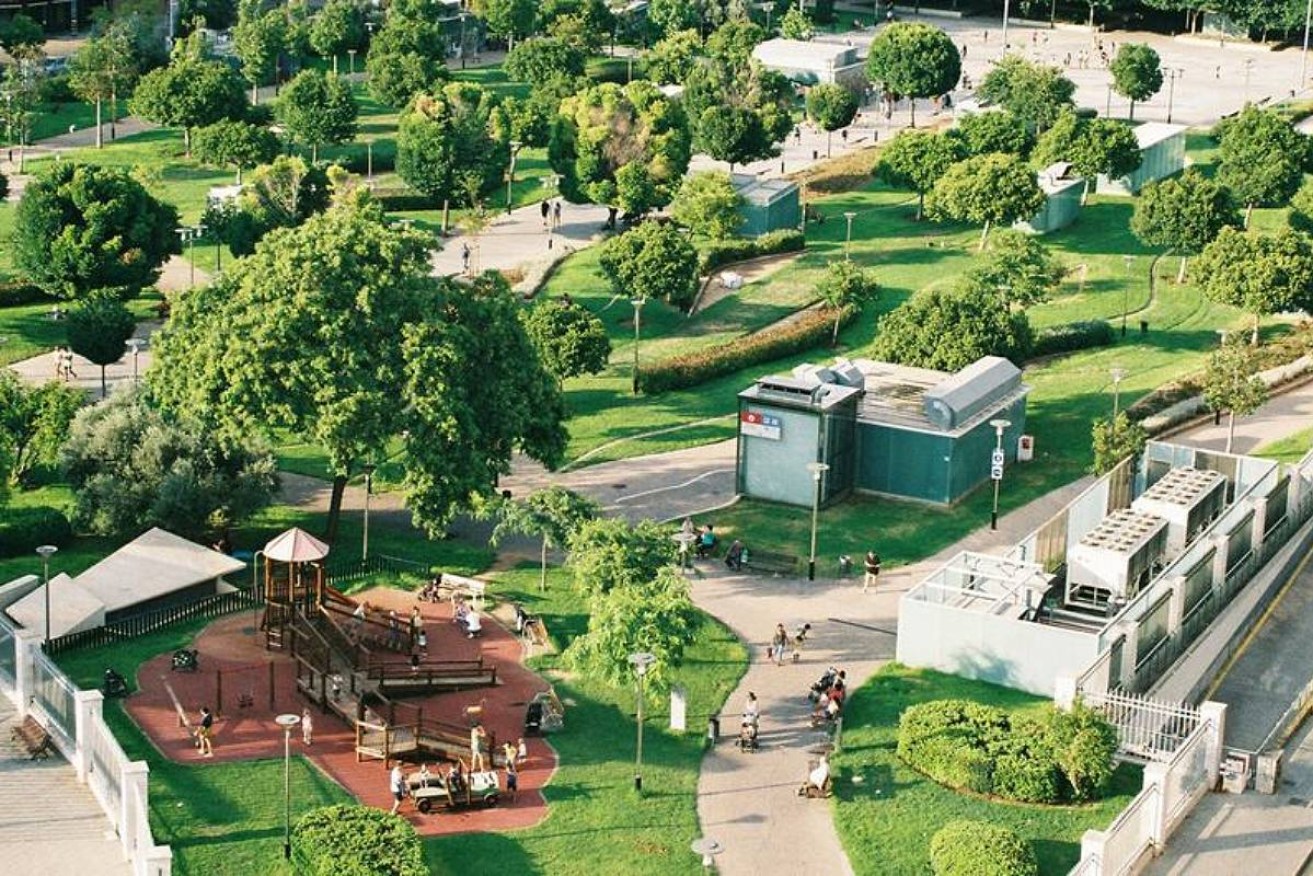
Australia desperately needs more homes, but we also need places people actually want to call home. Photo: Lane Cove Council
Every Australian knows what it feels like to search for a home.
Whether it’s a young person trying to enter the market, a family looking for more space, a renter seeking security, a homeless person needing secure accommodation or an older Australian wanting to downsize, housing shapes some of the most important decisions we make.
Right now, too many people are finding that search harder than it should be.
Housing costs have risen sharply. Rental vacancies remain tight in many parts of the country. More Australians are worrying about whether they can find, afford or keep a place to live.
Australia desperately needs more homes, but we also need places people actually want to call home.
Yet somewhere in Australia’s housing debate, we’ve started acting as though these goals are in conflict.
We’re increasingly told that if we want more homes, we must accept less from the places around them – fewer trees, less sunlight, weaker neighbourhood character, less public space and fewer of the qualities that make communities attractive in the first place.
In other words, we’re being asked to choose between housing and liveability. That is a false choice.
This matters because governments are negotiating planning reforms linked to housing targets and billions of dollars in infrastructure funding.
Those discussions are important. Australia cannot solve the housing crisis without reform, but we also risk reducing a much more complex conversation to a simple proposition – that if we weaken planning controls, more homes will automatically follow.
The reality is not nearly that simple.
As a planner, I’ll readily admit that planning systems aren’t perfect and there are days where they frustrate me too.
The truth is some planning rules should go. Too many decisions that should have been resolved through strategic planning years ago are still being fought one development at a time.
Governments responding to vested interests have added layers of regulation over decades without always asking whether the overall system still works. Planning reform should remove duplication, improve certainty and help good projects proceed faster.
But that doesn’t mean planning itself is the problem.
Recently, I was walking my dog through the Queens Domain in Hobart.
Even in the middle of winter, people were everywhere. Children were playing in the playground, community sport was under way, walkers were stopping to chat and others were simply enjoying being outdoors.
Watching it, I found myself thinking about how easy it is to take places like this for granted.
The mature trees, playground, community facilities and connected pathways didn’t happen by accident. They exist because previous generations made deliberate decisions to protect and invest in them.
Nobody calls it planning when they’re enjoying an afternoon outdoors, but that’s exactly what good planning looks like. Not headlines or controversy, but long-term choices that quietly improve everyday life.
That’s the thing about good planning. When it works, it disappears into everyday life.
It is the street that makes it simple to walk down, the safe route that lets children get to school with growing independence, the bus stop or bike path that makes another car trip unnecessary, a house that is safe when we are in bushfire or flood season and the ability to enjoy the winter sun because someone thought about where buildings should sit.
Those decisions shape the way we experience a place every single day.
When planning works well, most people barely notice it. They simply enjoy the results.
Yet increasingly, planning is being portrayed as little more than an obstacle to housing delivery. A form of red tape standing between Australians and the homes they need.
The housing crisis wasn’t created because Australians value trees, parks, heritage, sunlight or well-designed neighbourhoods. Nor will it be solved simply by weakening every planning safeguard that protects them.
Many of the biggest barriers to housing delivery now occur after planning approval has been granted.
Infrastructure often arrives too slowly. Construction costs have risen sharply. Finance has tightened. Skilled labour shortages continue to affect projects across the country. Hundreds of thousands of approved homes remain unbuilt because projects have stalled after planning has already said yes.
If we frame every planning safeguard as a barrier, we’re at risk of solving the wrong problem. Worse still, we’re lowering our expectations of the places we create and are creating a poor legacy for future generations. We should not be in a race to the bottom.
Yes we need more homes, but people don’t build their lives around housing targets. They build their lives around places they love. And the homes we create are a reflection of our culture and our capacity to contribute to society, shaping how we understand family, privacy, community, ageing, childhood and belonging.
The world’s best cities understand this. Singapore has shown that one of the world’s densest cities can also be one of its greenest.
Copenhagen invested in public spaces and streets people genuinely enjoy spending time in. Barcelona became a great city because generations of people thought carefully about the place they wanted to leave behind.
None of them treated housing and liveability as competing objectives. They pursued both and so should Australia.
Our children will not inherit today’s housing debate, but they will inherit our decisions. They’ll inherit the homes we build, the parks we protect, the trees we plant, the streets we make safe and the public spaces that help communities connect.
They’ll also inherit the consequences if we get it wrong – neighbourhoods without shade, homes disconnected from daily needs and communities where public space is treated as whatever is left over after everything else has been decided.
The housing crisis demands urgency, but urgency should never be confused with abandoning ambition.
The world’s best cities have proved that good planning can deliver more homes, greener streets, better public spaces, stronger communities and productive places, together.
Australians should expect no less. Because the real choice is not between housing and liveability. It is whether we believe Australians deserve both.
Emma Riley is national president of the Planning Institute of Australia, the national peak association for Australia’s town planning profession