 Subscribe

Unemployment jumps to highest level in five years
Australia's unemployment rate has jumped to 4.9 per cent as 44,000 jobs left the economy, lessening the chance of another rate hike.

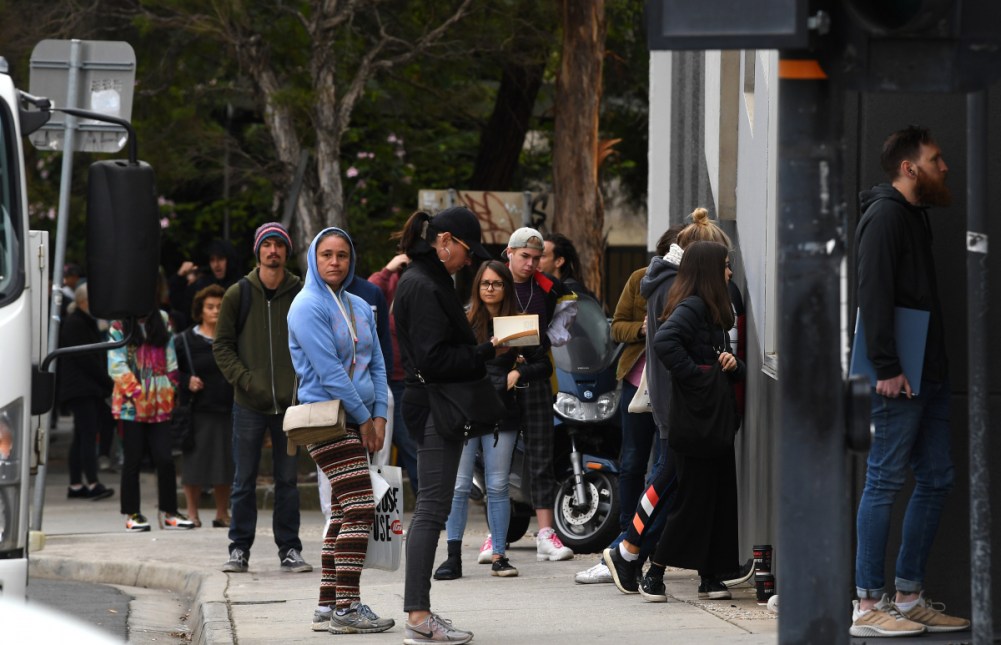
- Weaker-than-expected jobs data has seen Australia’s unemployment rate jump to 4.9 per cent after the economy lost around 44,000 jobs.
- The figure surprised markets, who expected unemployment to remain stable around 4.7 per cent.
- The latest data reduces the chance of the RBA delivering another rate hike in December.
Australia’s unemployment rate has unexpectedly jumped to 4.9 per cent, the highest level in five years.
New data from the Australian Bureau of Statistics (ABS) showed the economy lost 44,000 jobs, pushing the unemployment rate to the highest level since October 2021.
Around 18,000 jobs were created in the same period.
The job losses do not include recent redundancies announced across several major businesses, including NAB, Canva, Qantas, Bunnings and David Jones.
Most economists had predicted 25,000 jobs created and the jobless rate to hold at 4.7 per cent, with today’s figure likely to reduce the Reserve Bank of Australia’s (RBA) likelihood of hiking rates for a sixth time at its December meeting.
Sean Crick, head of labour statistics at the ABS, said Australia’s young people were moving the needle more than expected.
“Similar to last month, we had a higher proportion of people remaining unemployed than we would usually see in October in the post-Covid era,” he said.
“The youth unemployment rate — that is, for people aged between 15 and 24 — increased to 11.3 per cent in October from 11.1 per cent in September.
“This is the highest it’s been since October 2021. In the post-Covid period (from May 2022 onwards), the youth unemployment rate has averaged 9.2 per cent.”
The Aussie dollar has dropped below 67 US cents, following the release of the data.

What impact will this have on interest rates?
Today’s data strengthens the case for the RBA to keep rates on hold at 4.85 per cent.
As the central bank has been at pains to communicate, it holds a dual mandate: to keep inflation on target and to provide full employment.
In late September, RBA Governor Michele Bullock said they anticipate a rise in the unemployment rate would be a key component in reducing inflation, which currently sits at 4.3 per cent.
“There are certain levels of unemployment that if you go below that level of unemployment, it introduces a lot of pressure in the labour market, and that can put upward pressure on wages and prices,” she said.
“It puts pressure on costs for businesses, that finds its way into prices.
“Between 4.5 and 5 (per cent) will probably take enough heat out of the labour market that it’ll ease pressure on inflation,” she said at the time.
Topics: Australia, Business, Finance, Unemployment Rate