 Subscribe

KMPG to axe 230 jobs amid Australia’s highest quarterly wage growth in three years
Professional services firm KPMG has announced it is axing 230 jobs as part of its restructure following its document mishandling scandal.

- Professional services firm KPMG has announced it is axing 230 jobs as part of its restructure following its document mishandling scandal.
- Most of the affected roles will come from the company’s consulting division, and employees will find out within 48 hours.
- The job cuts come amid a surprise hike in wages, despite “real wages” remaining below inflation.
KPMG has announced it will axe 230 jobs as more clients pull contracts from the professional services firm after its document-handling scandal.
The decision to make hundreds of roles redundant comes the same day as new data from the Australian Bureau of Statistics (ABS) revealed that wages saw the highest quarterly growth in three years.
In a note to employees, KPMG said it was making “targeted workforce changes” to align the business with “current and future client demand.”
Most of the workers to be made redundant will be consultants, along with some roles in the company’s deal advisory department.
KPMG CEO John Sams said the business did not “underestimate” the impact of being made redundant on the affected employees.
“We recognise these changes will have a significant impact on colleagues whose roles are affected,” he said.
“These are difficult decisions, and we do not underestimate what they mean for our people. Our priority is to support them through this process.”
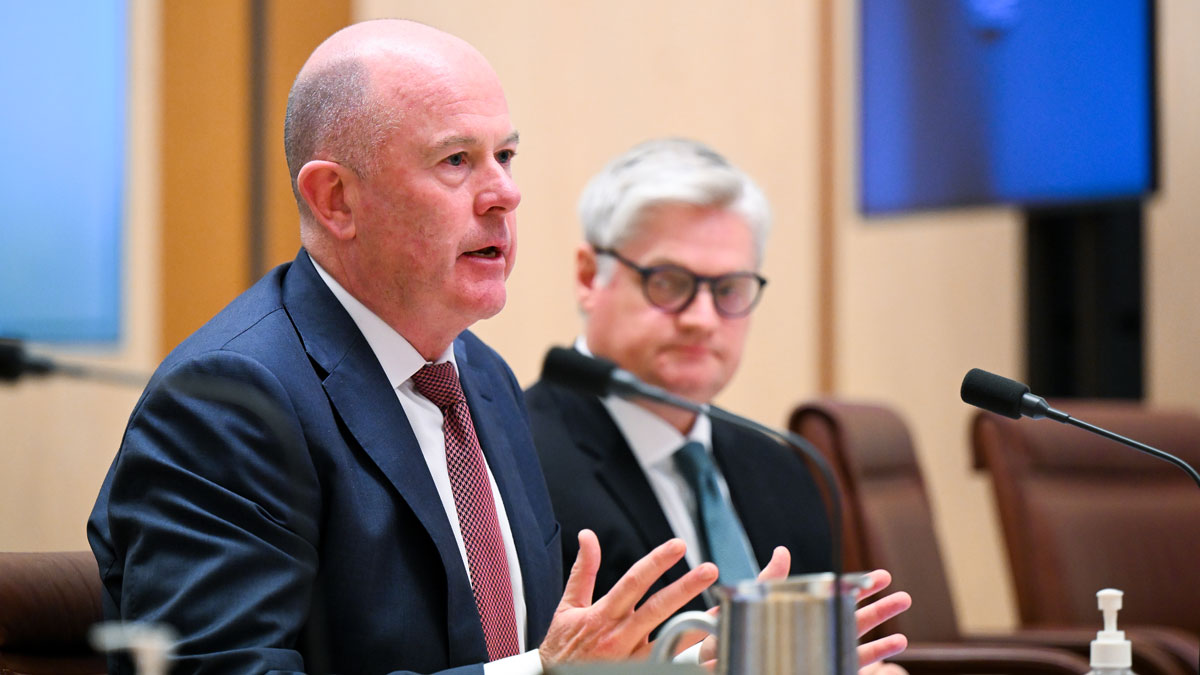
Affected employees will be informed if their role is being made redundant within the next 48 hours.
KPMG’s reading that “market conditions remain soft” comes in the wake of its document-handling scandal, which has cost the firm millions of dollars in work.
Earlier this year, a KPMG whistleblower alleged the firm had used confidential boardroom documents to gain an unfair advantage to win new business.
The fallout of the scandal caused many big clients to pull out of their audit contracts with KPMG, including Macquarie Group, Crown Resorts, ANZ and Lendlease.
It also saw its top leadership abandon their posts, with KPMG’s CEO, Chairman, COO and audit managing partner all resigning as a consequence.
KPMG is just the latest big Australian employer to cut jobs weeks out from Christmas.
Yesterday Bunnings announced it was axing 230 permanent roles; the week prior, it was joined by Qantas cutting around 850 jobs, NAB cutting 2,500 roles and Canva slashing more than 1200 roles.
The future of thousands of David Jones employees also remains in doubt, with at least 1500 set to lose their jobs as 19 stores close.
A breakdown of the employee rout in corporate Australia, and why AI isn’t totally to blame, can be read here.

Job losses come amid surprise spike in wage growth
KPMG’s latest restructure comes amid a surprise lift in wages, which have recorded the highest quarterly jump since December 2023.
Wages grew by 1.1 per cent in the September quarter, and 3.5 per cent annually, driven by new minimums.
“Wage setting decisions made by the Fair Work Commission, including the Annual Wage Review increase of 4.75 per cent to modern awards, were a key driver of much of the growth in private sector wages this quarter,” said Rachael McCririck, ABS head of prices statistics.
“The main driver of public sector wage growth was pay rises for state government front-line workers covered by enterprise agreements.
“This included groups like nurses, midwives and police officers.”
Despite the annual rate lifting to 3.5 per cent, it remains well below the annual rate of inflation at 4.3 per cent, representing a sustained drop in “real wages”.
ACTU Secretary Melissa Donnelly said deals brokered for some of the professions listed by McCririck were just managing to keep pace.
“Working Australians are struggling with even some of the most basic expenses and are trying to find more ways to cut back; some workers have told us that they are cashing in their annual leave to cover everyday bills,” Donnelly said.
“But if you’re on a union-negotiated pay deal, as part of a collective agreement, you’re better off. Workers in this group are just managing to stay ahead of price pressures, compared to those who are forced to rely on individual contracts.
“For a worker on average annual earnings, this amounts to an extra $740 this year based on today’s figures.”
NAB economist Michael Hayes said the slightly higher-than-expected wage price data would likely not be enough to motivate the RBA to hike again when it meets in December.
“The data will, at the margin, further feed the RBA’s concern they had been underappreciating the extent of domestic capacity and labour market pressure,” Hayes said.
“With labour market conditions cooling over recent months, the trajectory will be the more important driver for the RBA than the starting point.”