 Subscribe

Where are all the $100 notes? Why Aussies might be hoarding cash
There are more than 500 million $100 notes in circulation, and the number of notes being printed rises each year. So where are they all?

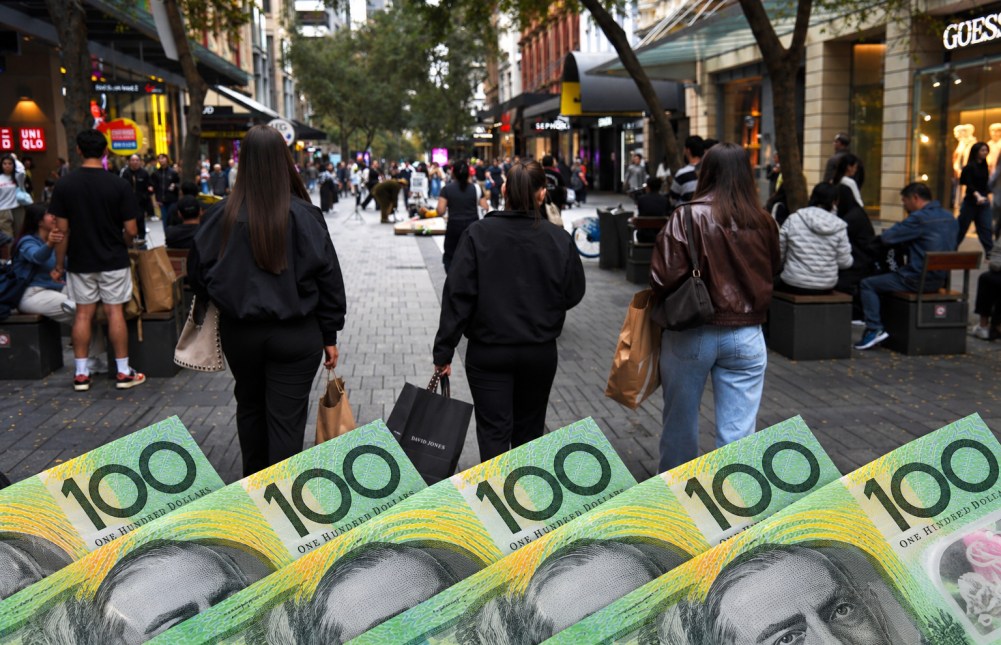
- The number of $100 bills in circulation is skyrocketing, but they are rarely used in transactions.
- Experts theorise that $100 bills are being used to fund the shadow economy or to hoard wealth away from institutions.
- Despite the near-total adoption of card payments, cash use has stabilised and is not slowing down.
When was the last time you saw a $100 note?
You probably didn’t get it out at the ATM, as change from a cashier, or even as a birthday present.
It’s rare to see the $100 note in everyday life, but the surprising fact is that it’s not rare at all.
An estimated 523 million $100 banknotes are in circulation, representing roughly $52.3 billion in face value, according to data from the Reserve Bank of Australia (RBA).
In fact, in the last financial year, the number of $100 notes in circulation grew more than any other denomination.
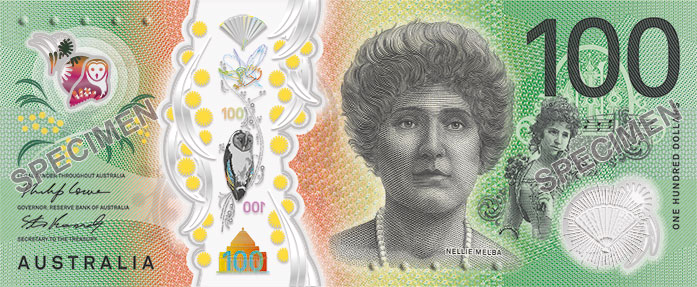
So more Australians are requesting $100 notes, but fewer are actually spending the Dame Nellie Melba note.
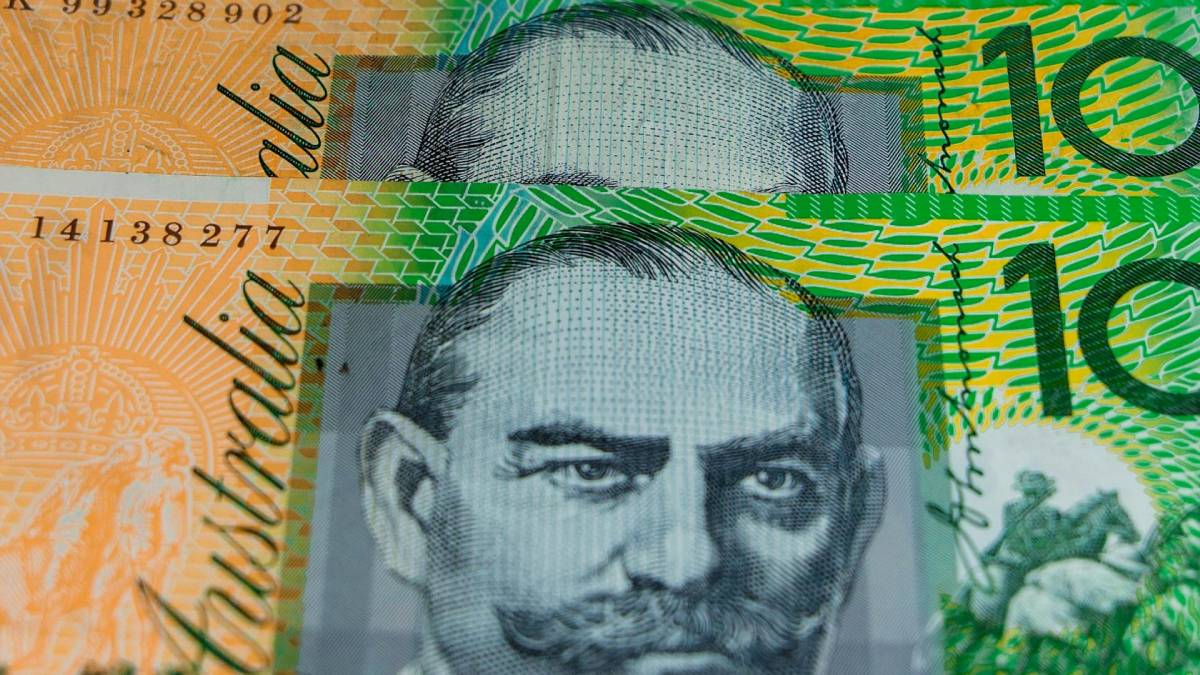
“The number of $100 notes in circulation is surprising given how rarely they are seen in everyday life,” Dr John Hawkins, senior lecturer at the University of Canberra, told The Money Edition.
“There are likely significant numbers of $50 notes stacked in ATMs as well as in wallets and purses, but ATMs generally don’t have $100 notes.”
As Hawkins theorises, $100 notes are more efficient for storing and hoarding wealth than any other physical currency.
But stuffing cash under the mattress might not be the widespread reason for its popularity.
“A significant proportion of $5 notes may have been damaged or lost, but people are likely to be more careful with $100 notes,” he said.
“In some countries people keep high denomination notes ‘under the bed’ because they do not trust the banking system, but that seems unlikely in Australia.
“My hypothesis would be that the $100 notes are used by tax avoiders and people in the black economy, such as drug dealers or illegal cigarette sellers.”
It’s a question the RBA would like to answer too.
In 2024, the central bank issued a bulletin that tracked the sharp increase in demand for cash following the COVID-19 pandemic.
It found that, after stripping out estimates of cash used in legitimate transactions or by the shadow economy, as much as 80 per cent of banknotes were being used to hoard wealth.
“Hoarding, both domestically and internationally, is the most significant component of banknote demand. Hoarding is usually done for store-of-wealth or precautionary motives,” the RBA said.
“Assuming there are no other locations that cash could be, we take the residual of our transactional estimates and subtract the stock of cash that is lost and the stock of cash that is used in the shadow economy.
“This suggests that roughly 55–80 per cent of banknotes in circulation in June 2023 were hoarded, either domestically or internationally.”
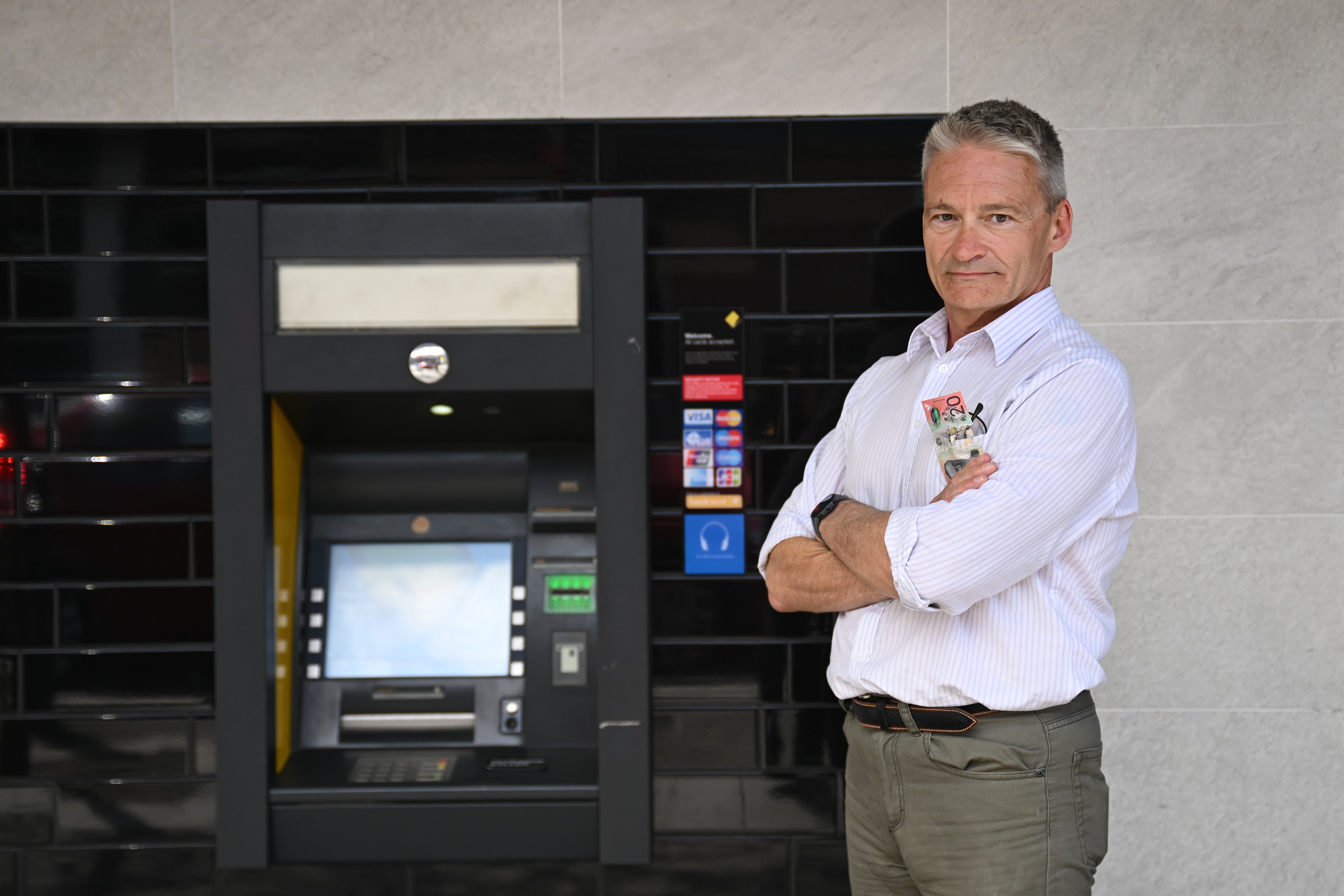
Jason Bryce, founder of popular cash advocacy group Cash Welcome, told The Money Edition that a rise in $100 notes might be driven by banks to cut down on transaction costs.
“Many ATMs now, especially bank-owned ATMs, have replaced their $20 cartridge with a $100 cartridge so you can only get multiples of $50 or $100. This is a cost-saving exercise for banks,” he said.
“I have been frustrated by this trend. I don’t want a $100 note.
“Small businesses don’t want a $100 note for an average-sized purchase, and they check it for counterfeits.”
Bryce said that, given the difficulty of breaking down a $100 note and its seemingly mysterious non-use in the economy, perhaps the RBA should consider phasing it out.
“$100 notes should never have been introduced. They should consider stopping further issuance of $100 notes,” he said.
“Their legitimate uses are hoarding — saving — and buying large items, like used cars.”
Fears of a ‘cashless society’ unlikely, for now
The rise of contactless payments such as Apple Pay, and the inclusion of RFID chips in bank cards has led many to predict that Australia will soon be a “cashless” society.
But a heady mix of global turmoil, bank outages, budgeting strategies, and surcharges for card payments has led many to turn back to cash.
“The use of cash for transactions has stabilised in recent years,” RBA research from April this year found.
“This follows a trend decline in transactional cash use over preceding decades, as electronic payment methods like credit and debit cards have become more widely used.
“Around 15 per cent of payments, by number, were made in cash in 2025, compared with about 13 per cent in 2022.”
The authors found that many people still carried cash for emergencies.
“One-third of Australians would face hardship or major inconvenience if cash was difficult to access or if shops did not accept cash,” the report found.
“Many Australians still carry cash for unexpected transactions or in case electronic payments are not available.”