 Subscribe

Small businesses say sales are stalling as inflation booms
Australia's small businesses say they are being squeezed on all sides as sales stall while energy and wage costs soar.

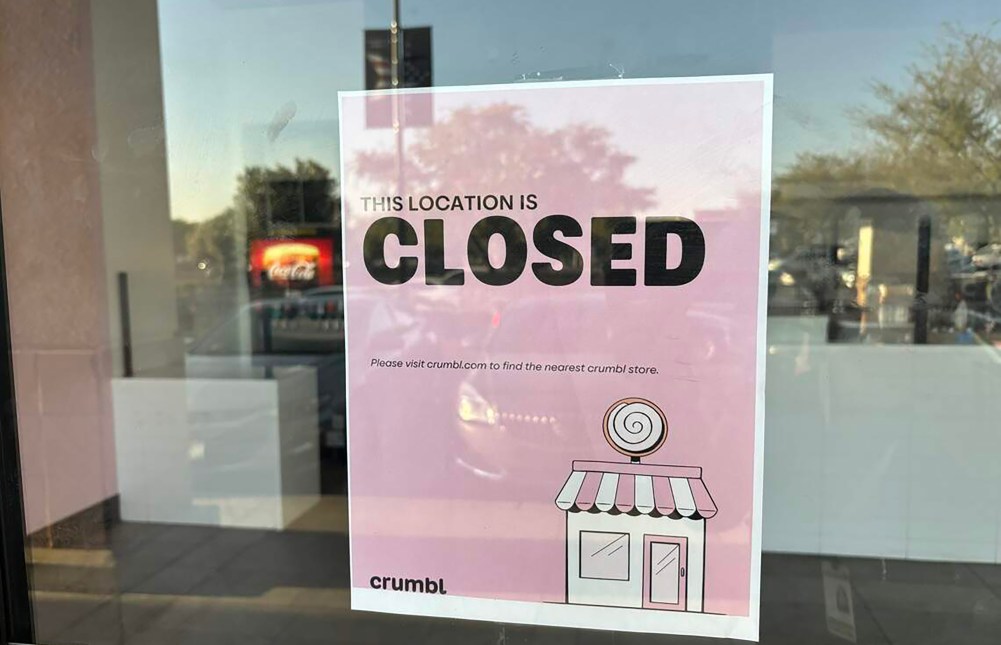
- Small business sales rose 5.2 per cent year-on-year in the September quarter, below the long-term average of 7.8 per cent, Xero data shows.
- Mining, healthcare and construction are outperforming, but cafés, retailers and other consumer-facing businesses are lagging, a sign households are holding back on discretionary spending.
- Pay rises have shrunk to about half their long-term average, adding to cost of living pressure on households.
Australian small business sales have stalled below their long-term average, as the delayed effect of rate rises filters through the economy and businesses grapple with elevated costs.
Sales rose 5.2 per cent year-on-year in the September quarter, below the long-term average of 7.8 per cent, according to accounting platform Xero’s latest report, based on data from around 520,000 Australian small businesses.
The result was down from 7.3 per cent in the June quarter, which was lifted by a 10.9 per cent rise in April.
The figures show small businesses are being squeezed from both sides, with sales stuck below trend and costs still elevated, while cautious households are leaving cafés and retailers among the worst hit.
“The September quarter tells us small business conditions haven’t worsened, but they also haven’t improved,” Xero economist Louise Southall said in a statement.
“Rate rises typically take time to filter through to household spending, and that delayed effect is continuing to weigh on sales,” Southall said.
Xero said the loss of sales momentum since April likely reflects higher-than-normal fuel prices and their flow-on to other prices, low wage growth and four cash rate rises so far this year.

Bill Lang, executive director of advocacy group Small Business Australia, told The Money Edition that “there’s no doubt that businesses that serve consumers” are doing it toughest, such as hospitality and retail businesses.
Given higher energy prices, inflation and rising interest rates, “the level of disposable income for many individual and Australian families is lower”, he said.
Consumer confidence is falling, Lang said, and businesses that rely on discretionary spending are taking a bigger hit to their revenue.
Many of those businesses were also dealing with higher energy, supply and insurance costs, leaving them “struggling” and facing “significant challenges going forward,” he said.
Meanwhile, mining was the best-performing industry with sales up 12.0 per cent, followed by healthcare at 8.1 per cent and construction at 7.9 per cent, with construction supported by demand from housing, state government projects and data centres.
Southall said major infrastructure investment is “supporting parts of the economy,” but warned that “the average local café, retailer or service-based business isn’t necessarily seeing those benefits.”
How are jobs and wages holding up?
Jobs grew 3.9 per cent in the September quarter, up from 3.1 per cent in the June quarter, led by mining (8.9 per cent) and utilities (8.3 per cent), while hospitality (0.5 per cent) barely grew its workforce.
Wages grew just 1.2 per cent, down from 2.3 per cent in the June quarter and about half the long-term average of 2.9 per cent, with hospitality the only industry recording wage growth above 2 per cent.
Small businesses waited an average of 24.3 days to be paid after issuing an invoice, up from 23.5 days in the June quarter, and were paid 6.9 days late on average.
After its October board meeting, the Reserve Bank of Australia (RBA) noted that “firms are experiencing cost pressures and are either increasing the prices of their goods and services or looking to do so.”
Xero said this suggests the RBA may raise rates further in late 2026 or early 2027 if it is not confident inflation is moving back inside its 2–3 per cent target range.
“Anything the government can do to reduce the taxation burden, the cost of borrowing burden, and the level of inflation in the economy” would lift consumer confidence and give households “a higher level of discretionary income” to spend with small businesses, according to Lang.
Rising inflation remains a key concern, he said, with costs such as energy and insurance increasing “at a much higher rate than the overall level of inflation.”
Many economists would point to “a high level of Australian and state government debt”, Lang said, along with spending “on consumption items as opposed to infrastructure that will improve the productivity of the Australian economy.”