 Subscribe

Could the card surcharge ban fuel tax evasion?
Businesses offering cash discounts to offset card processing fees could inadvertently create more opportunities for undeclared sales, researchers warn.
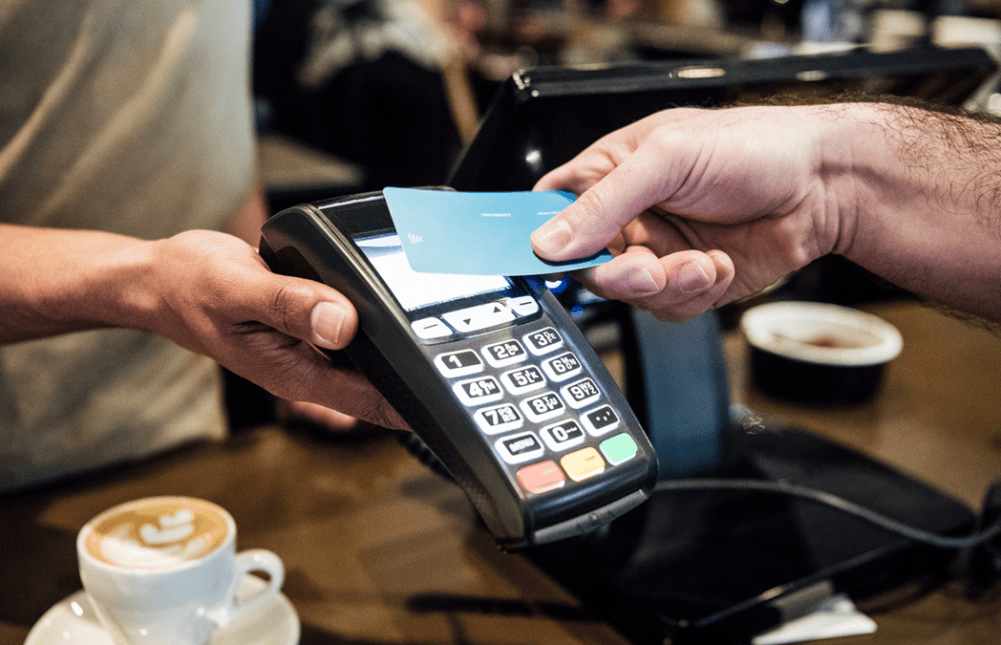
- Australia’s October 1 card surcharge ban is expected to save consumers $1.6 billion a year, but businesses still face card processing costs.
- Some businesses are encouraging cash payments through discounts, raising concerns about unreported transactions and tax evasion.
- Australia’s shadow economy is estimated at $80 billion, with undeclared income costing the government about $11 billion annually in lost tax revenue.
Small businesses are still figuring out ways to deal with the ban on credit card surcharges that took effect on October 1 and are searching for ways to manage the costs.
While the ban is forecast to save consumers A$1.6 billion a year in surcharge fees, businesses continue to incur the card processing costs charged by the banks.
In response, some businesses have decided to offer discounts for cash payments. This could increase cash use after years of decline, bringing risks of an expanded shadow economy and more opportunities for businesses to underreport sales and evade tax obligations.
The shadow economy
Australian Taxation Office (ATO) data show that net goods and services tax (GST) collected from cafes, restaurants and takeaway food services reached $4.36 billion in the 2024–25 financial year. This highlights the hospitality sector’s contribution to the economy. Even a small proportion of unreported sales could significantly reduce GST revenue.
The Reserve Bank of Australia (RBA) shows that increased cash use is driven by the shadow economy, undeclared economic activity that is not reported or taxed.
While difficult to measure, official estimates put the shadow economy at about 3% of Australia’s gross domestic product, or $80 billion in 2025.
The peak accounting body, CPA Australia, has estimated that undeclared income in the shadow economy creates a net gap of $11 billion annually in missing taxes. Federal Treasury says the undeclared sales and undeclared wages are the critical components of the shadow economy.
Tax evasion is harder with card payments
Over time, the use of cash in Australia has declined significantly, while credit and debit card usage has surged. RBA data show cash payments fell from 69% of consumer transactions in 2007 to 15% in 2025. Card payments increased over the same period from 26% to 73%.
Among the biggest declines in cash use were for dining out, takeaway food, and transport, reflecting the increased use of card payments and digital payment methods.
However, the ban on card surcharges could unintentionally reverse this trend.
Unlike electronic payments, cash transactions lack independently verifiable digital records. This creates opportunities for businesses to underreport sales and potentially evade taxes.

European evidence shows that higher card payments reduce tax evasion because they create a trail for underlying transactions, while cash transactions are associated with higher tax evasion.
A separate EU study shows greater use of card payments is associated with higher tax revenue.
These findings do not establish that Australia’s ban on surcharges will increase tax evasion.
However, they highlight the potential risk that could increase tax evasion arising from the ban.
Following the ban on card surcharges, policymakers should consider measures to curb the shadow economy and reduce tax evasion.
Banks could take the hit
First, banks and credit card companies could sharply reduce card processing fees. This would reduce costs for businesses and encourage businesses to accept more card payments.
Evidence from academic research shows that the volume of card transactions increases when the card processing fees are reduced.
Even some government ministers, including frontbencher Kristy McBain, have suggested banks and credit card companies should absorb some of the card processing fees.
Second, improving how businesses record their sales electronically generally boosts tax compliance and reduces tax evasion by making income easier for the ATO to check.
Digital records allow tax authorities to verify transactions and enforce tax obligations more effectively.
The tax office already collects information from a wide range of third-party sources, both public and private. These reports allow tax authorities to verify income and transactions, which makes it harder for businesses to underreport their sales and income.
Broader economic consequences
Businesses that understate their takings create unfair competition by undercutting businesses that comply with their tax obligations.
The potential consequences of the ban on card surcharges also extend beyond individual businesses. Any increase in unreported cash transactions could reduce government tax revenue.
And as the tax office has noted, reduced tax revenue undermines the funding of essential public services such as healthcare, education and infrastructure.
The ban on surcharges is an important measure to protect consumers from additional charges. However, policymakers should also consider the potential consequences for the broader economy. In particular, the ban could increase the risk of expanding the shadow economy and creating greater opportunities for tax evasion.
This article is republished from The Conversation under a Creative Commons licence. Read the original article.
Topics: Credit cards, Tax