 Subscribe

Will Australia’s gas reservation plan actually lower your bills?
Plans to reserve more gas for Australians promises relief from high bills, but producers warn it could discourage investment and worsen future shortages.

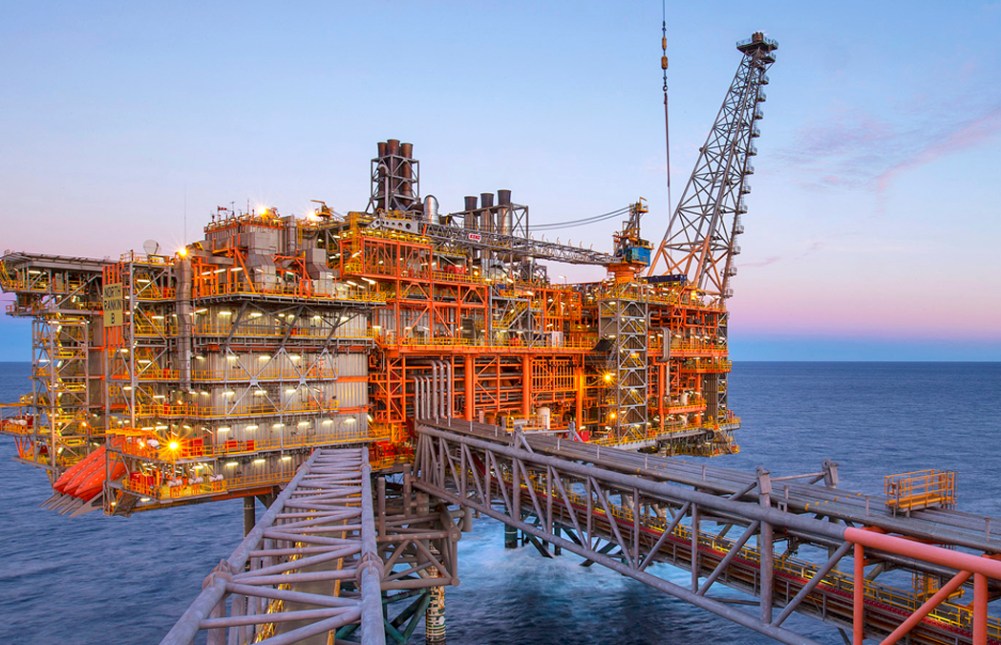
- Australia’s east coast faces potential winter gas shortages from 2029, with production from established southern fields forecast to fall 46 per cent over five years.
- New legislation would require LNG exporters to reserve gas equivalent to up to 20 per cent of exports for the domestic market from July 2027.
- While the government expects the policy to put downward pressure on household energy bills, gas producers warn it could deter investment in new supply and create longer-term problems.
It has been known for some time that Australia’s east coast domestic gas market faces a structural gas supply shortfall, as legacy production from the Bass Strait runs low.
In its latest Gas Statement of Opportunities, the Australian Energy Market Operator (AEMO) forecasts that gas production from established fields in southern Australia will fall by 46 per cent over the next five years, with risks of shortages during periods of extreme winter demand emerging from 2029.
AEMO also warns that new investment in gas fields will be needed to address broader supply gaps from 2030.
It seems paradoxical that we could be speaking of gas shortages in a country that is the world’s third-largest exporter of liquefied natural gas (LNG), but that’s where we are.
A combination of climate policies, changing regulatory environments, shareholder pressure and shifting corporate capital has weighed on investment in new oil and gas fields in Australia.
Now, the federal government has introduced the Domestic Gas Reservation Bill 2026, which will require LNG exporters to set aside gas equivalent to up to 20 per cent of their exports for domestic supply.
The scheme is intended to prevent future shortfalls and put downward pressure on prices, although how much households and businesses might save remains unclear.
Western Australia, whose gas infrastructure is not connected to the eastern states, has enforced its own domestic gas reservation policy for decades.
The national legislation exempts export contracts entered into before December 22, 2025, protecting some of the nation’s largest and longest-standing export relationships.
However, those contracts cannot be rolled over or extended without becoming subject to the new domestic supply obligation.
The proposal targets supply at 110 per cent of forecast domestic demand, deliberately creating a modest oversupply to help lower prices.
But the policy has not exactly been welcomed by the industry.
Big gas in an uproar
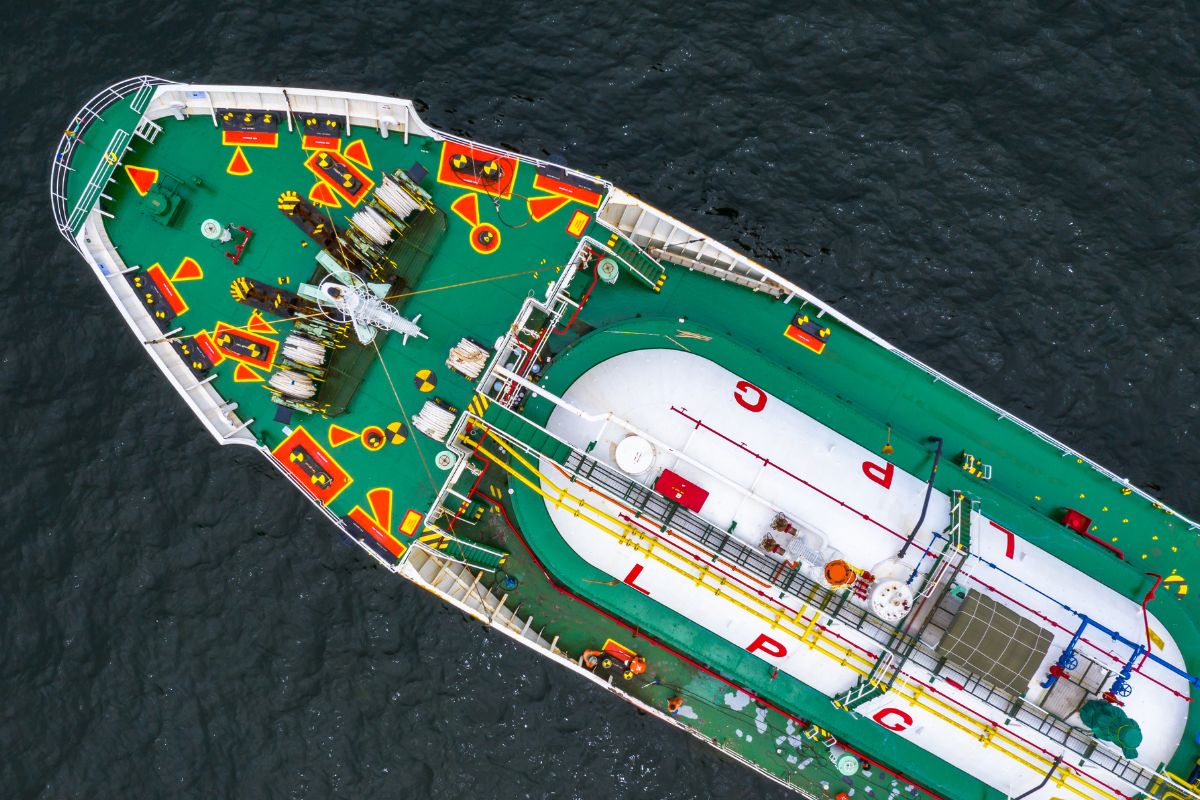
The oil and gas production industry peak body, Australian Energy Producers (AEP), argues that the government is pursuing an “artificial oversupply” that could weaken investment signals and crowd out smaller domestic producers.
Brett Woods, chief executive of Beach Energy, wrote in the Australian Financial Review earlier this month that the government is “rushing through a scheme that misunderstands the market it is trying to fix.”
Woods warned that deliberately creating an oversupply could discourage investment in new domestic projects, ultimately leading to longer-term shortages affecting manufacturers, households and the broader economy.
Fellow domestic producer Amplitude Energy has similarly argued that the focus should be on bringing new supply to market and easing regulatory pressures rather than relying on reservation to address Australia’s energy costs.
“More supply is the only thing that will sustainably lower gas prices,” Amplitude chief executive Jane Norman said.
However, Joshua Runciman, lead analyst for Australian gas at the Institute for Energy Economics and Financial Analysis (IEEFA), told The Money Edition the reservation policy is likely to put downward pressure on prices if it results in more Queensland gas being supplied domestically by LNG exporters.
“This is because Queensland holds the vast majority of eastern Australia’s gas reserves, with a lot of this gas having relatively low production costs,” Runciman said.
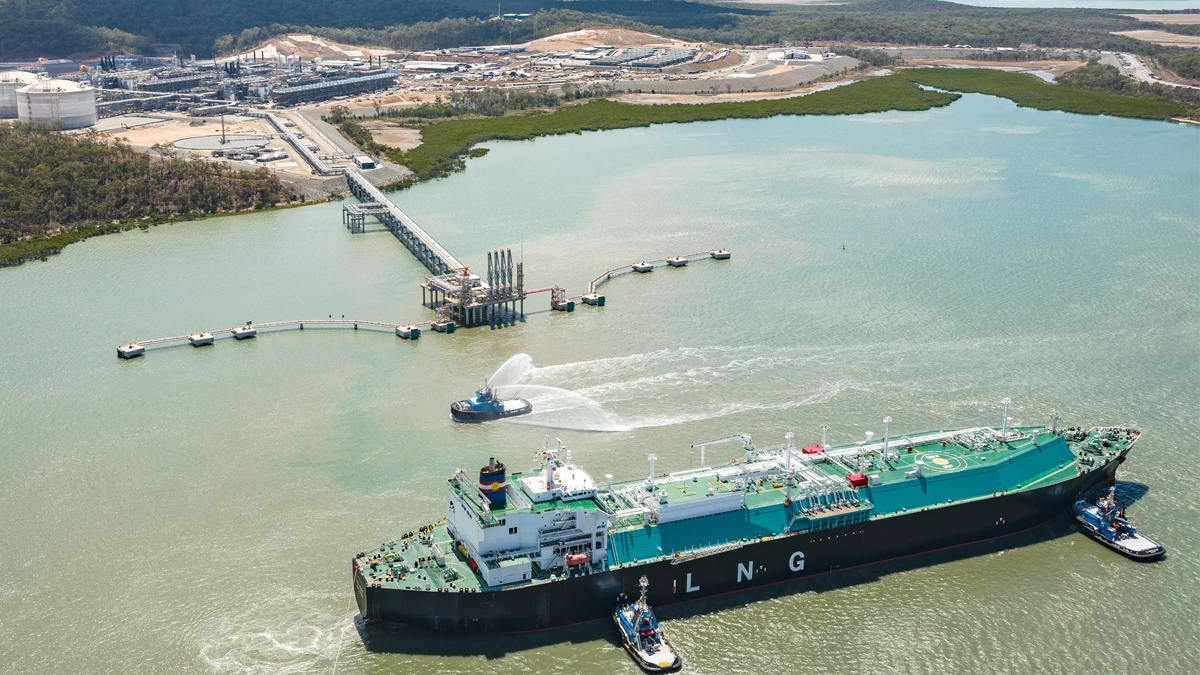
He noted that LNG exporters effectively control 90 per cent of proven and probable gas reserves in eastern Australia, giving them considerable influence over domestic supply and pricing.
“Requiring LNG exporters to supply more domestically from their low-cost reserves is probably the most effective way to reduce prices,” he said.
The legislation remains before Parliament while a committee inquiry takes place, but the government is pressing ahead with its plans.
Meanwhile, energy infrastructure operator APA Group has approved an additional $700 million investment in the Bulloo Interlink Pipeline, which will connect Queensland’s gas network with the Moomba to Sydney Pipeline.
The investment aims to improve the movement of gas from northern reserves to southern markets, where declining production is expected to put increasing pressure on supply.
For households, the central question is whether additional supply will translate into lower gas bills.
The government argues that reserving more gas for domestic users will help put downward pressure on prices, but has not provided a dollar estimate of potential household savings.
For smaller producers, however, the prospect of selling gas into a less constrained market could make new projects less attractive.
Runciman said the impact of new supply from undeveloped gas fields would ultimately depend on production costs and proximity to demand centres.
“For instance, gas production in offshore Victoria has a transport cost advantage compared to Queensland gas, but increasingly high production costs as cheaper reserves are depleted.”
Longer-term prices will also depend on how quickly demand declines, existing reserves are depleted and investment incentives change.
Runciman said lower household gas consumption would help preserve cheaper reserves for longer, while growing renewable generation and battery dispatch could further reduce demand.
“Faster demand reduction, particularly in households, will lead to cheaper reserves being depleted less quickly, and this will help to maintain lower prices longer into the future.”
Topics: Federal Government, Gas