 Subscribe

Five rate hikes later, Aussies are feeling the pinch
Only 14 per cent of mortgage holders haven’t changed their habits in response to rate hikes, as inflation jumps to a three-year high, according to the RBA.

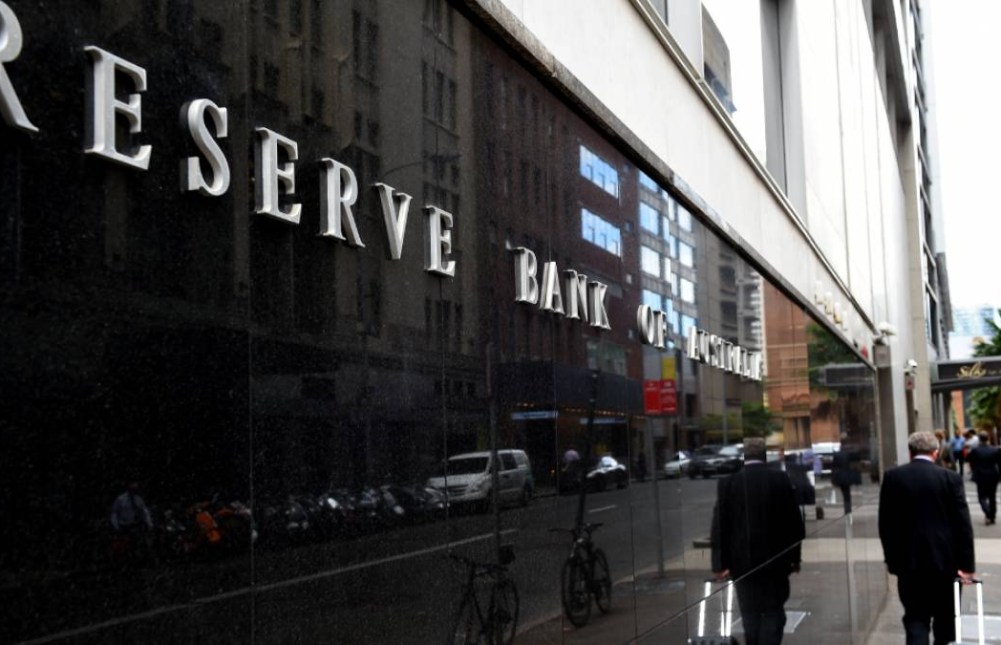
- A new Reserve Bank of Australia (RBA) staff paper found that one in five mortgage holders and renters have increased their working hours to cope with higher rates.
- Around 60 per cent of outright homeowners also changed their behaviour, despite having no mortgage.
- Headline inflation hit 4.9 per cent in the 12 months to October, casting doubt on an RBA hold in December.
Three in four Australian mortgage holders have cut spending to cope with higher interest rates, but renters and outright homeowners are tightening their belts too, new figures show.
On Wednesday, the Australian Bureau of Statistics (ABS) announced headline annual inflation rose to 4.9 per cent in the 12 months to October, its highest since October 2023.
The move has cast doubt on expectations that the Reserve Bank of Australia (RBA) will hold rates in December after five hikes this year.
An RBA staff paper released the same day found only 14 per cent of mortgage holders, 19 per cent of renters and 39 per cent of outright homeowners had not changed their behaviour, based on a September survey of 3,000 adults.
About 20 per cent of mortgage holders said they had increased their working hours, compared with 5 per cent of outright homeowners, with younger respondents and part-time workers more likely to do so.
The survey authors said part-timers may find it easier to pick up extra hours, while younger borrowers may owe more relative to their earnings.
Emerge Finance mortgage broker Luke Ashby previously told The Money Edition that one of the biggest mistakes he sees is borrowers not keeping their lender informed when they can no longer make repayments.
“Missed payments and defaults can stay on your credit file for years and impact any future lending decisions you make,” he said.
In the survey, RBA staffers found mortgage holders were twice as likely as outright homeowners to cut non-essentials and switch to cheaper brands or stores, and two in five cut essentials, against one in five outright owners.
Because essentials are harder to cut, the authors said this points to heavy strain on some borrowers’ budgets.
One in three mortgage holders dipped into savings for day-to-day costs, double the rate among outright owners, and were three times as likely to borrow more or lean on credit cards.
The authors warned those actions may leave households “more vulnerable if financial pressures persist.”
Around 60 per cent of outright homeowners made at least one change, with about 40 per cent spending less and 20 per cent saving more.
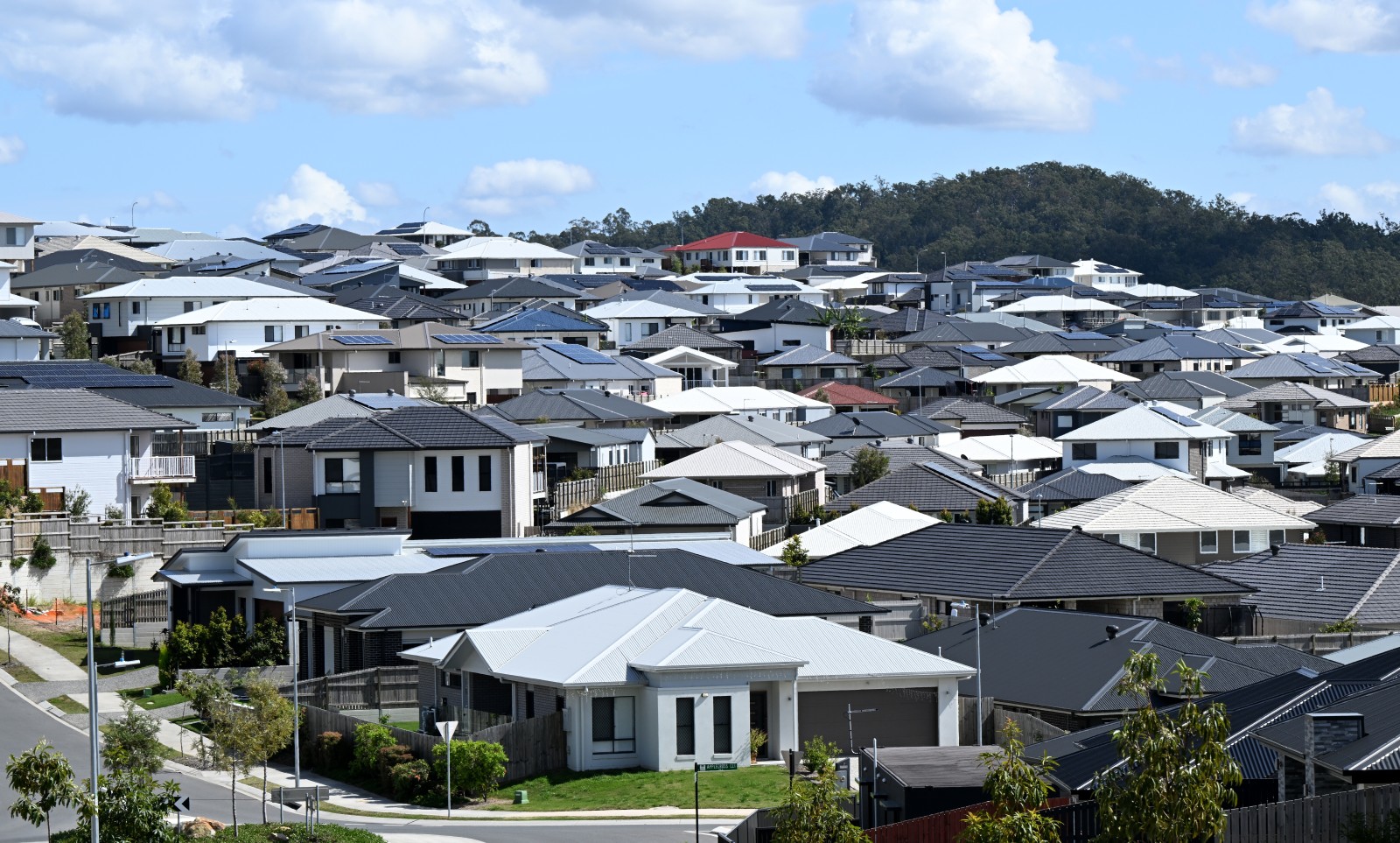
The authors said this may reflect higher returns on savings and lower housing prices eroding wealth, effects that may take longer to bite than higher repayments.
The survey does not show why renters link these moves to rates, but the authors pointed to better savings returns, especially for aspiring first home buyers, and rent increases.
It’s also worth noting that responses were self-reported, may partly reflect wider cost-of-living pressures and show how many households changed, not by how much.
Spending cuts could mean buying fewer or cheaper items, while higher savings may reflect extra interest on existing balances rather than active saving.
Older outright owners are sometimes thought to spend more when rates rise, but just 2 per cent of households did so, with no particular skew towards outright owners, over-60s or retirees.
It follows research from Roy Morgan in October, which found 32.3 per cent of mortgage holders, or roughly 1.72 million people, were at risk of mortgage stress in the three months to August, up 8.4 percentage points since January.
The number at risk has climbed by about 295,000 in a year, with the data predating the RBA’s September rate hike announcement.
Last month, Financial comparison site Finder found that almost a quarter of Australians, around 2.3 million households, were delaying or missing bills to cover rent or mortgage payments, most commonly electricity and gas.
Topics: Interest Rates, RBA, Reserve Bank of Australia