 Subscribe

Inflation rockets to hotter-than-expected three-year high
Australia's inflation rate has come in at a hotter-than-expected 4.9 per cent, well above analyst forecasts and pouring doubt onto the RBA.

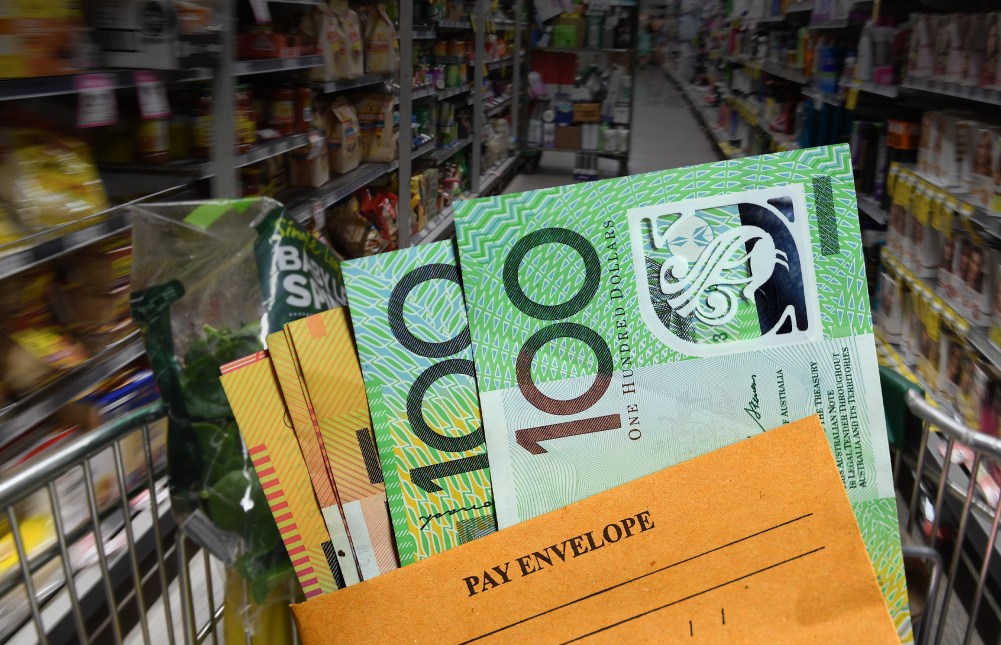
- Australia’s Consumer Price Index, or CPI, has come in at an annual headline rate of 4.9 per cent, above forecasts.
- Trimmed mean inflation, the RBA’s preferred figure as it smooths out one-off or seasonal changes, came in at 3.8 per cent, also above forecasts.
- The last time inflation was this high was October 2023, when it was 4.9 per cent.
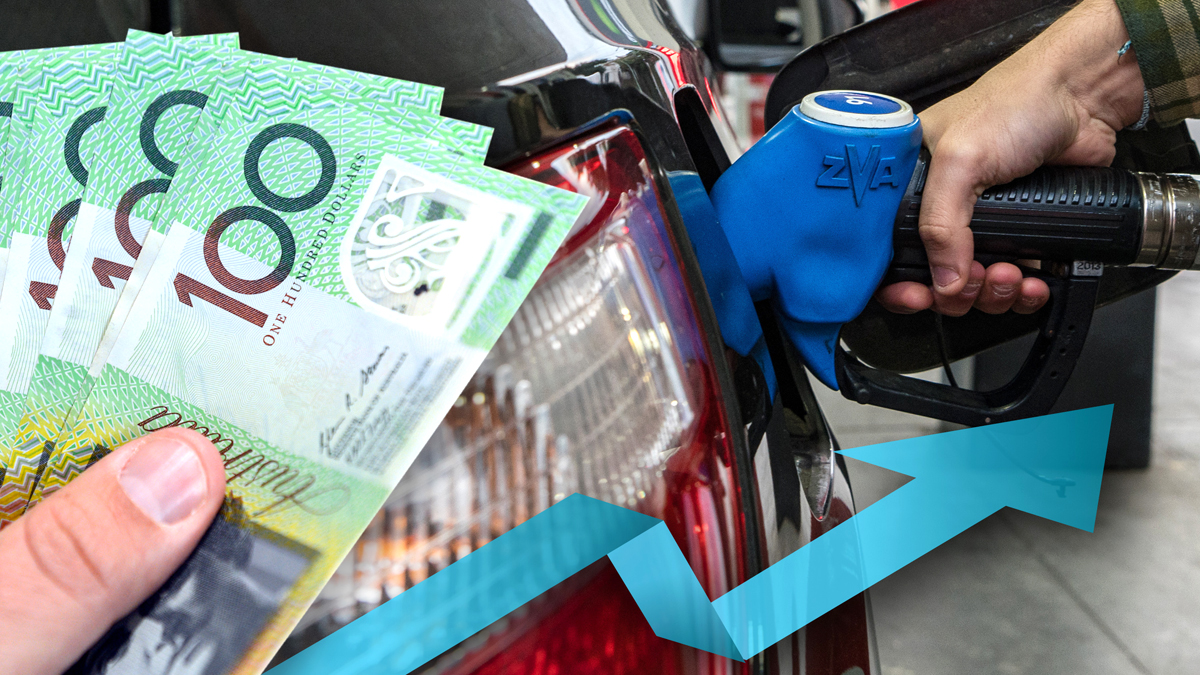
Inflation in Australia has rocketed up to a three-year high, higher than forecast, as the soaring cost of fuel and other utilities continued to weigh on household budgets.
Headline annual inflation for the 12 months to October rose from 4.3 per cent to 4.9 per cent.
Trimmed mean inflation, the Reserve Bank of Australia’s (RBA) preferred measure because it smooths out seasonal changes, ticked higher to 3.8 per cent.
Analysts and the big banks had predicted headline inflation to rise to between 4.7 and 4.8 per cent, and trimmed mean inflation to rise to 3.7 per cent year-on-year.
The last time inflation was this high was October 2023, when it came in at 4.9 per cent.
Rachael McCririck, ABS head of price statistics, said basic household costs such as energy and fuel were major drivers of the result.
“Housing was the largest contributor to annual inflation in October, rising by 6.4 per cent compared to a rise of 5.2 per cent in the 12 months to September,” McCririck said.
“On a monthly basis, Automotive fuel prices rose 6.3 per cent in October, compared to a rise of 9.4 per cent in September.
“This was driven by higher world oil prices.”
Treasurer Jim Chalmers issued a statement shortly following the release of the data, promising that the government will respond when it releases its mid-year budget update.
“This is another unwelcome but unsurprising reminder of the pressure Australians are under,” he said.
“We saw global oil prices spike in October and this was the biggest influence on these numbers.
“We had an inflation challenge in our economy before the conflict in the Middle East but the war is making it worse.
“We will respond with substantial savings and we have already announced additional cost of living help this week.”
The only cost of living help announced by the government this week was freezing the cost of PBS scripts at $25 until the end of 2030.

What does this mean for the RBA?
Today’s result, given it was above all market and analyst expectations, pours doubt on the widely-held view that the RBA would keep interest rates on hold when it meets in December.
Having increased the cash rate five times in 2026, most anticipated the central bank would adopt a holding pattern and monitor the impact the rate rises were having on the economy.
Alex Joiner, Chief Economist at IFM Investors, says there is now some risk the RBA will be caught looking at a double negative: Higher unemployment and higher inflation.
“Worse than expected CPI data for October in both headline and trimmed mean terms. Non-discretionary items (~60 per cent of the basket) up over 6 per cent through the year,” Joiner said.
“The domestic inflation problem continues, and the risk is that the RBA is put in the worst of situations with inflation persisting at an elevated rate while the unemployment rate moves higher.”
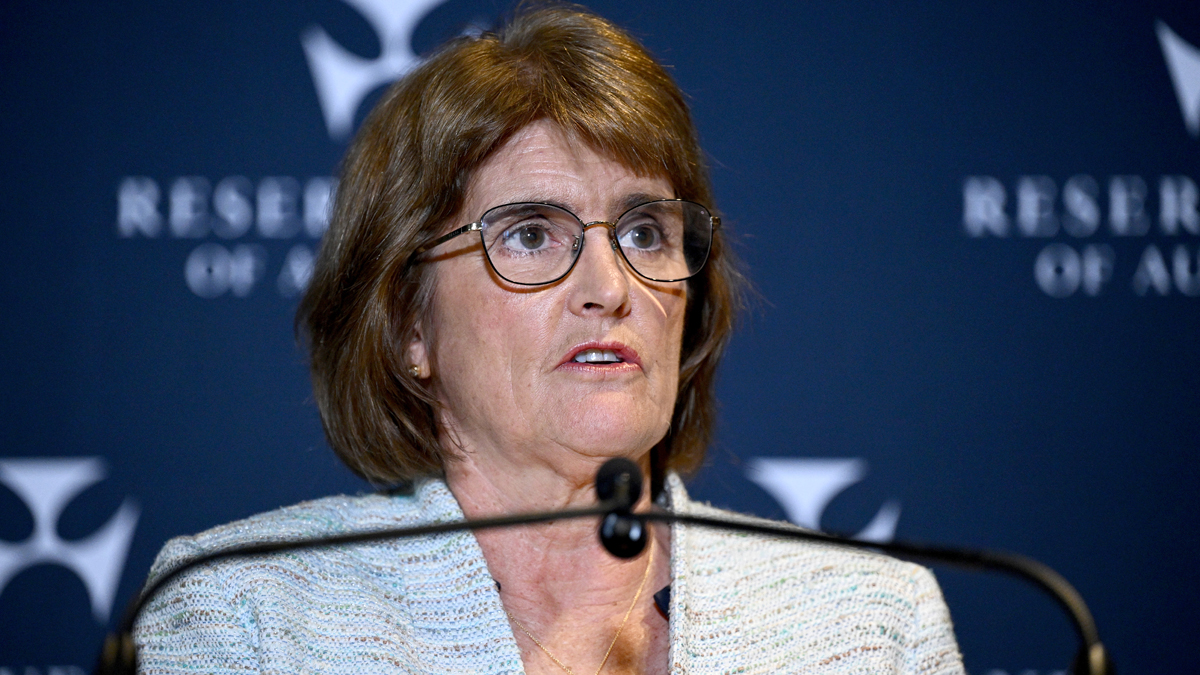
BDO Chief Economist Anders Magnusson wrote after the CPI result that he still anticipates the RBA will hold in December, but there are warning signs in the economy.
“The economy is showing signs of stagflation. Unemployment rose to 4.9 per cent in October, employment fell and hours worked declined, revealing a weaker labour market than the RBA was expecting,” Magnusson said.
“The concern is that inflation is picking up even as the economy is losing momentum.”
Westpac’s Chief Economist Luci Ellis said the RBA will be “nervous” about today’s result, but one high reading was not enough for the bank to shift its guidance.
“The RBA is likely to remain nervous about the possibility of entrenched inflation. Against that, though, the labour market, housing market and real-economy indicators are all breaking weaker than its November forecasts,” she said.
“For now, though, we see nothing to change our view that the RBA is likely finished hiking rates but will still be considering another move in coming months. Nor do we see anything to change our view that the most likely date for the first interest rate cut is August next year.”
David Koch, economic director at Compare the Market, said the figures were an “absolute shocker” and highlighted underlying inflation as a particular concern.
“Households have already endured enormous financial pain through five interest rate increases this year, yet here we are with inflation heading in the wrong direction,” he said.
“What’s particularly worrying is the jump in underlying inflation from 3.6 per cent to 3.8 per cent.
“That measure strips out some of the more volatile price movements, so we can’t simply blame this result on higher fuel prices.”
The RBA is set to have its final monetary policy meeting on the 7th and 8th of December this year.
The next CPI reading from the ABS will be released on January 6, 2027, a month before the RBA’s first meeting in 2027 in February.
What is the consumer price index, or CPI?
Currently, Australia’s headline inflation rate, technically measured by the consumer price index (CPI), sits at 4.3 per cent in the 12 months to September.
The CPI tracks a theoretical “basket” of goods and services that comprises a number of expenses that households need to pay.
According to the Australian Bureau of Statistics (ABS), which tracks the CPI, the basket covers the following 11 categories:
- Food and non-alcoholic beverages
- Alcohol and tobacco
- Clothing and footwear
- Housing
- Furnishings, household equipment and services
- Health
- Transport
- Communication
- Recreation and culture
- Education
- Insurance and financial services
By tracking the average cost of each category, the ABS determines whether prices are rising or falling over time.
Each category in the basket is weighted differently, and the CPI breaks down the categories in each reading.
Taken as a whole, it provides a useful “average” of how household budgets are faring.