The Stats Guy: There are 12 stages of life. Which are you in right now?

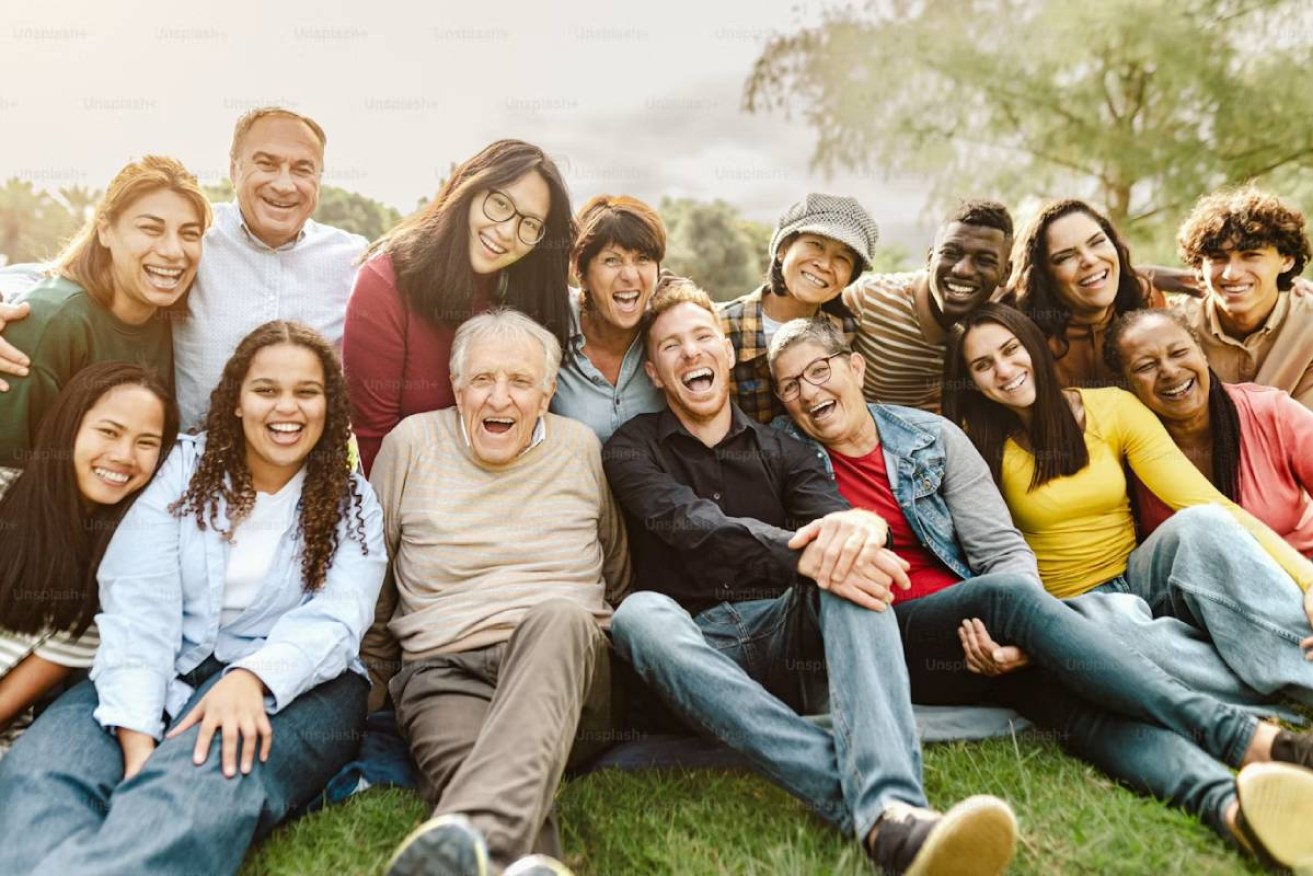
Each stage of life contributes something valuable to society. Photo: Getty
As a demographer, I spend my days counting babies, migrants and retirees.
But the real job is not counting people, it’s working out where they are on life’s journey and what they are likely to do next.
Age isn’t just a number, it’s one of the strongest predictors of what we buy, where we live, how we vote, what we worry about and what gives our lives meaning.
Understanding the stage someone has reached helps us understand how that person is likely to behave.
Understanding life stages benefits almost everyone making decisions about people.
Businesses can better anticipate what consumers buy and what workers need – governments can plan schools, housing, transport, healthcare and aged care – educators and employers can tailor support to changing capabilities and motivations – and families and individuals can better prepare for the transitions ahead.
In short, life-stage thinking helps institutions respond to people as they are, rather than treating the population as one uniform mass.
There are many ways to define life stages. Today we will use the version from educator Thomas Armstrong, who argues that every stage of life has its own unique gift – something to look forward to when entering a new stage.
Instead of seeing ageing as a slow decline, he sees life as a sequence of distinct chapters, each contributing something valuable to society.
Alongside Armstrong’s 12 stages, we will consider the much simpler model used by Franciscan writer Richard Rohr.
Rohr divides life into just two halves. The first is about building your life. The second is about understanding why you built it in the first place.
Demographers are very good at measuring the first half. We can tell you when Australians finish school, leave home, marry, have children and retire. The second half is much harder to measure.
Let’s start with a look at Armstrong’s 12 stages of life and the gifts that lies hidden within each stage. The ages listed here are only meant as a rough guide as circumstances vary widely.
Where do you fit in right now and what’s still ahead?
1. Pre-birth: The gift of potential
Before birth, a life is pure possibility. Armstrong’s point is not that every unborn child will become famous, but that each could become almost anything.
For a demographer, falling fertility therefore means more than fewer babies – it means fewer possibilities, fewer workers, carers, creators and citizens in the Australia of tomorrow.
2. Birth: The gift of hope
A newborn brings optimism to parents and carers – the hope that this new life will contribute something fresh and worthwhile.
Around 300,000 babies are born in Australia each year. Each arrival is a small vote of confidence in the future.
When we hold a newborn child, we are reminded or their prebirth potential.
Talking about the potential of a child we usually mean they can become Prime Minister, win a Nobel Prize, or become an Olympian – potentiality is a two-way street though and this kid could also become an axe murderer, a cheat, or vote for that party you dislike.
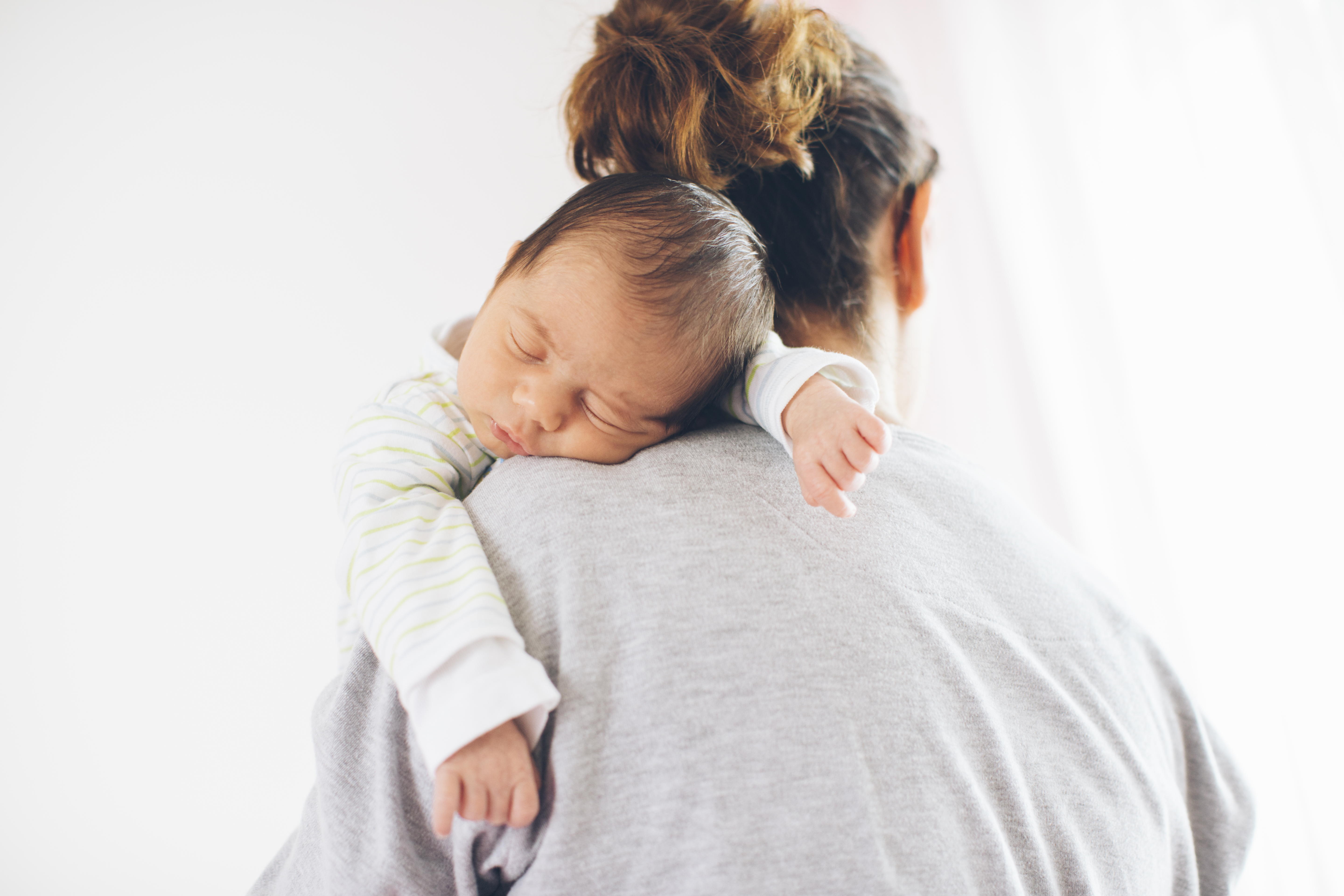
A newbown is characterised by the hope of the life it will lead. Photo: Getty.
3. Infancy (ages 0–3): The gift of vitality
Armstrong describes infants as seemingly unlimited sources of energy – the inner dynamo of the human life cycle.
Their vitality also depends on intensive care.
Childcare, parental leave and maternal health are therefore not peripheral services – they support families today and the development of tomorrow’s population.
Policy decisions regarding these fields impact individual lives as much as society as a whole.
4. Early childhood (ages 3–6): The gift of playfulness
Young children remake the world through play. They combine what exists with what might exist, practising the innovation and transformation that underpin later creativity.
What looks like mucking around is serious developmental work (or so I tell myself as a dad to two of those).
Research into this stage of life is fascinating. Boys develop much more slowly than girls for example – holding boys back from school for an extra year for example has strong data backing.
5. Middle childhood (ages 6–8): The gift of imagination
In middle childhood, Armstrong says an inner subjective self begins to emerge, alive with images gathered from the outer world and from within.
That imagination can later nourish artists, writers, scientists and anyone whose work depends on seeing possibilities that are not yet obvious.
Psychoanalysis pays close attention to this stage. This is when a child’s inner world, social identity and ways of interpreting experience become increasingly complex.
6. Late childhood (ages 9–11): The gift of ingenuity
Older children have accumulated enough social and technical skill to devise inventive solutions to the demands around them.
School should not merely fill them with facts. It should give their ingenuity room to solve problems, collaborate and learn how to learn.
7. Adolescence (ages 12–20): The gift of passion
Armstrong’s gift of adolescence is passion. The emotional intensity of these years fuels ideals, friendships, causes and the search for identity.
Teenagers are not simply unfinished adults, their conviction can challenge the complacency of the generations ahead of them.
Looking at teenage values allows us to make educated guesses about their behaviour as young professionals and voters. An important group to monitor for any forecaster.
8. Early adulthood (ages 20–35): The gift of enterprise
This is the stage for launching into the world – further study, work, relationships, households and ventures.
Australians now reach many traditional milestones later because housing costs, longer education and insecure early careers have redrawn the timetable.
The enterprise remains, even if the launch pad has shifted. Most Australians will live through this stage unmarried and childfree.
9. Midlife (ages 35–50): The gift of contemplation
After spending early adulthood ticking boxes (degree, career, partner, home, children) people often reach midlife and pause to ask what all that effort was for.
This stage is being pushed back as Australians start careers, marriages and families later, but it tends to arrive eventually.
Armstrong calls its gift contemplation. We step back from the daily grind, take stock, reconsider our priorities and forge ahead with a clearer sense of purpose.
You don’t need to be middle-aged to benefit from such reflection, but midlife has a habit of forcing the question. Of course, not every midlife crisis produces insight. Sometimes it just produces a sports car or a new spouse.
10. Mature adulthood (ages 50–80): The gift of benevolence
Armstrong sees mature adulthood as a time when people can extend their care beyond the immediate pressures of building a life.
Benevolence appears in mentoring, volunteering, caring for grandchildren, supporting community organisations and contributing experience in new ways.
Much of this work is poorly captured by GDP, yet families, workplaces and neighbourhoods depend on it.
Looking back, the most commonly reported regrets of the dying concern choices made during these decades – working too much, neglecting relationships or failing to live according to their own priorities.
11. Late adulthood (age 80+): The gift of wisdom
As I keep writing about in my columns, Australia’s fastest-growing age group is the 85+ cohort.
Public debate understandably focuses on aged care, health spending and pensions, but Armstrong directs our attention to wisdom – the perspective gathered across a long life and passed to those who follow.
Older Australians are custodians of memory. They remind us that crises pass, economies recover and technological revolutions eventually become ordinary life.
Wisdom cannot be downloaded, it must be accumulated and it must be shared and lived to be of use. As Australia ages, the hope remains that wisdom becomes more dominant in public discourse.
12. Death and dying: The gift of life
Armstrong’s final gift sounds paradoxical – life.
Awareness of death clarifies what matters and can make the remaining time more vivid.
Demography’s life tables all reach the same destination but knowing that the journey is finite encourages us to ask better questions while we still can. I regularly remind my audiences about their own mortality.
A seemingly simpler model
Armstrong gives us 12 stages tied loosely to age. Richard Rohr offers a seemingly simpler model – just two halves of life.
The first half of life is about building a “container”: we form an identity, establish relationships, pursue work and create security.
The second half is about discovering what belongs inside that container. We seek meaning, wisdom, compassion and service beyond the ego.
Unlike Armstrong’s 12 stages, Rohr’s model is not tied to a particular age or a predictable progression.
A younger person may enter the second half through failure, grief or disappointment, while an older person may remain focused on status, achievement and control.
Indeed, many people never make the transition at all. Put simply, the first half asks, “How do I build a successful life?” while the second asks, “What is this life ultimately for?”.
As a demographer, I can broadly align Armstrong’s 12 stages with demographic data. I can estimate which stages are growing fastest, speculate about how each generation will put its own stamp on them and draw conclusions about changing consumer behaviour.
I haven’t found a way to use hard data to estimate how many Australians are operating from the second half of life. I would love to know, but I don’t.
For now, I can only hope that an older Australia also becomes a wiser Australia.
We will certainly have more people in the later stages of life. Let’s hope that many will reach the second half of life.
Simon Kuestenmacher is a co-founder of The Demographics Group. His columns, media commentary and public speaking focus on current socio-demographic trends and how these impact Australia. His podcast, Demographics Decoded, explores the world through the demographic lens. Follow Simon on Twitter (X), Facebook, or LinkedIn.
Want to see more stories from The New Daily in your Google search results?
- Click here to set The New Daily as a preferred source.
- Tick the box next to "The New Daily". That's it.


Pork barrel rolls out again – it's time for a change
Long-awaited migrant plan reflects needs and fears