Australia’s rate hikes outpace major economies as RBA tipped to raise them again

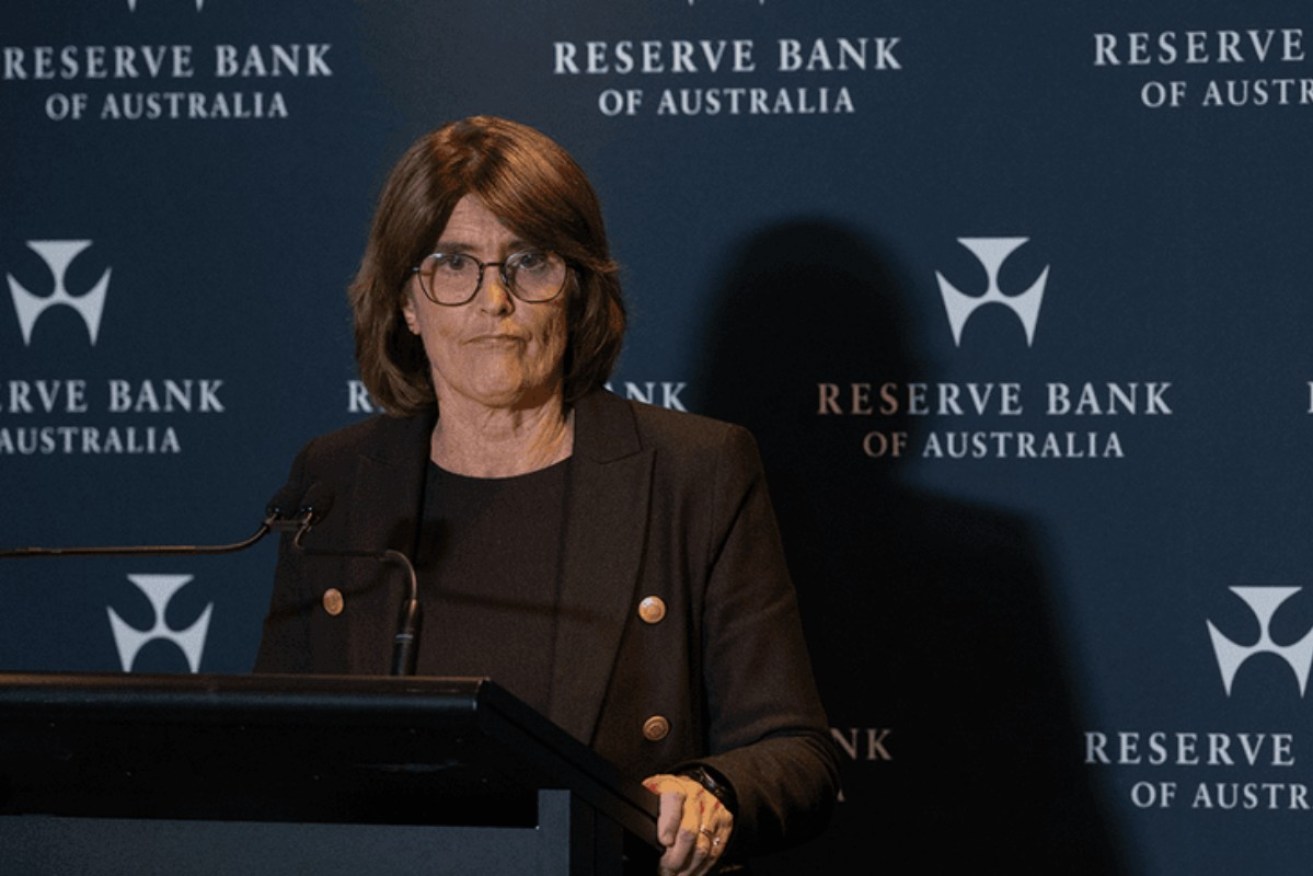
The Reserve Bank has already lifted rates four times this year. Photo: AAP
Economists are tipping a Melbourne Cup Day rate rise, despite Reserve Bank governor Michele Bullock confirming Australia’s interest hikes this year have outpaced those of other major advanced economies.
The RBA has already lifted rates four times this year, taking the official cash rate to 4.6 per cent – its highest level in 15 years.
During Senate estimates last week, Senator Dave Sharma pressed Bullock on whether any of the world’s 43 advanced economies had raised rates by 100 basis points or more this year.
“The ones we compare ourselves with, no, Senator,” she said.
Bullock said Australia was in a different position to other countries, with demand outstripping supply even before the latest global instability – meaning there weren’t enough goods, services or workers to meet demand, pushing prices higher.
“The problem for us is that we started from a position of excess demand. Other countries did not,” she said.
The comments came as fresh figures showed Australia’s annual inflation rate had climbed to 4.3 per cent, up from 4 per cent in August, well above the RBA’s target range of 2-3 per cent.
The numbers have fuelled concerns of further interest rate rise to be announced on Tuesday, after the RBA’s board meeting in Melbourne.
However, Bullock cautioned that the impact of previous increases was still filtering through the economy.
“Because monetary policy works with a lag, the full effects of recent rate increases are yet to be felt on domestic activity,” she said.
Greg Jericho, chief economist at the Australia Institute, agreed, warning unemployment was already rising, and another rate hike will make it worse.
“The full impact of the rate rises is yet to flow through. But we are already seeing unemployment rise from 4.1 per cent at the start of the year to 4.7 per cent,” he said.
“Given the most recent rate rise occurred at the end of September and the RBA is almost certain to raise rates next week, that means it is very likely that unemployment will rise closer to 5 per cent by the end of this year.”
Greens senator Nick McKim pointed to Australia’s data centre investment pipeline, which he valued at around $156 billion and described as the world’s third largest. He questioned the inflationary impact of the “massive looming investment”.
Bullock acknowledged that the data centre boom was adding to inflationary pressures, with construction projects competing for skilled labour.
“Investment’s been much stronger than we thought,” she told the committee.
“To the extent that it’s drawing resources from there, those resources have to come from somewhere. So that does add to inflationary pressure.”
RBA assistant governor Sarah Hunter also emphasised the scale of investment.
“Business investment, which has increased very sharply over the last 12 months, and a decent portion of that increase has been from the data centre investment,” she said.
Senator Fatima Payman asked whether the RBA should advise the government on other measures to tackle inflation, rather than relying solely on interest rates.
“It’s not within our remit, Senator,” Bullock said.
“Our remit is to use the tools available to us to deal with inflation and full employment. That is what we do. Independence goes both ways.”
Bullock maintained that it was not the RBA’s role to advise government on policy decisions.
“[It’s] not for us to tell the government what to do,” she said.
Earlier this month, former RBA governor Bernie Fraser argued the central bank was “over-preoccupied” with inflation and encouraged Treasurer Jim Chalmers to be more outspoken in his criticism of its approach.
This article was originally published on The Point. Read the original article.


Rate rises and a recession we don't have to have