The appalling dysfunction of Australian politics was on full show this week, with some bizarre horse-trading over construction industry legislation and an epic game of brinkmanship over the now resolved ‘backpacker tax’.
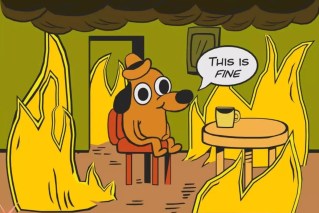
But just when you thought it couldn’t get any sillier, details have emerged of an extraordinary proposal to manipulate house prices to address the issue of affordability.
The government’s housing affordability inquiry, led by Liberal MP John Alexander, is reportedly considering a three-point plan to control house prices – quite at odds with the Liberal Party’s ideological commitment to ‘free markets’.
A complicated fix
The proposal, revealed on Thursday by Fairfax columnist Peter Martin, has three components:
- Give APRA, which regulates mortgage lending, the power to constantly vary the availability of credit to investors, so that when prices are getting overheated they would find it more expensive to borrow.
- Allow owner-occupier buyers to use their compulsory superannuation savings to pay off their mortgage on the basis that any equity ‘bought’ in such a way is considered retirement savings later in life.
- Make the ‘super’ component of an owner-occupier’s dwelling part of their pension assets test, so that future governments would have to dish out less pension money overall.
It’s not clear whether Treasurer Scott Morrison will try to sell these ideas to state treasurers when he meets with them on Friday, but what we do know is that a number of those treasurers have already spoken out on the much more obvious way to cool house prices – reforming negative gearing and capital gains tax laws.
Liberal dissent
The most strident comments came last week from Mr Morrison’s own side of politics. NSW planning minister Rob Stokes hit the nail on the head with regard to Australia’s over-generous, economy-distorting tax concessions.
He told a Sydney audience: “We should not be content to live in a society where it’s easy for one person to reduce their taxable contribution to schools, hospitals and other critical government services – through generous federal tax exemptions and the ownership of multiple properties – while a generation of working Australians find it increasingly difficult to buy one property to call home.”
Investors who make use of negative gearing aren’t doing anything wrong – it’s the law of the land, after all. But as Mr Stokes pointed out, combined with the 50 per cent discount on capital gain tax introduced by the Howard government, the net effect is a huge and unjust redistribution of wealth.
What’s driving the Treasurer?
So why is the government considering such a complex, regulated approach to ‘fixing’ house prices described above?
Well, again, it’s all about the dysfunction of current politics – and by ‘politics’ I’m referring as much to the way Canberra politics is reported, as to the actions of politicians themselves.
Far too often, policy statements are reported as if those making them were contestants on Dancing with the Stars – it’s about the ‘optics’, not about the policies themselves.
It’s a kind of false objectivity – the same kind that sees some news media give equal airtime to the 3 per cent of climate scientists who think global warming’s a myth as they do to the 97 per cent who don’t.
Real objectivity is central to good journalism, but false objectivity in the face of overwhelming evidence allows dreadful lies to be internalised by voters.
In the run-up to the July election, for instance, Mr Morrison and Prime Minister Malcolm Turnbull got away with repeatedly claiming that “a third of demand” would disappear from the housing market if Labor acted to curb negative gearing and CGT concessions.
That’s a complete fabrication, yet top economists such as Saul Eslake and the Grattan Institute’s John Daley struggled to make their voices heard to debunk the myth.
So that’s the myth we’re left with.
Having created it, Mr Morrison must now twist and turn, legislate and regulate, when a simple tax reform would do the job.
Appalling stuff. But after the week we’ve just had in Canberra, hardly surprising.
To read more columns by Rob Burgess click here.

'Very stupid debate': We're being played for mugs