‘Lowering the temperature’ isn’t enough. We need better from our politicians and the media

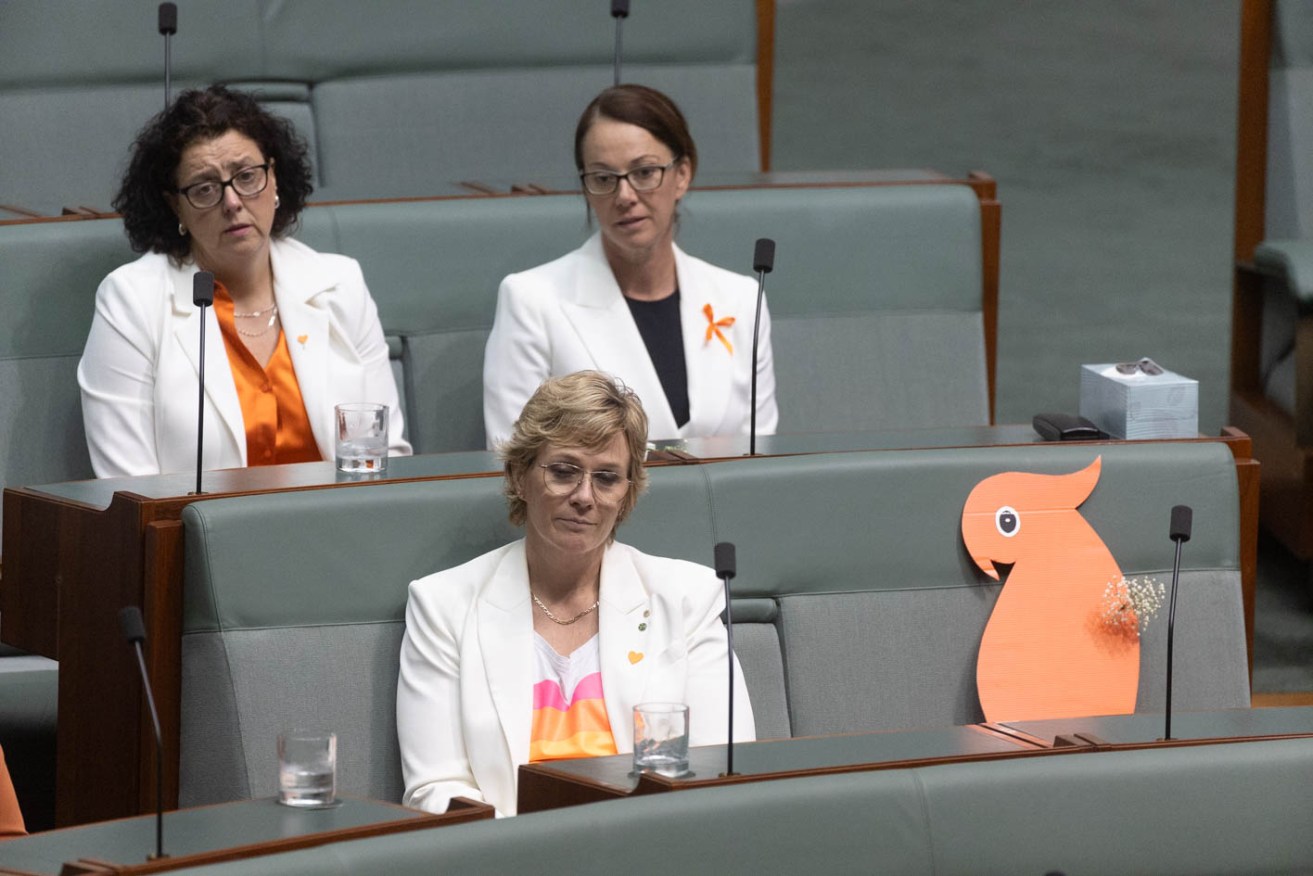
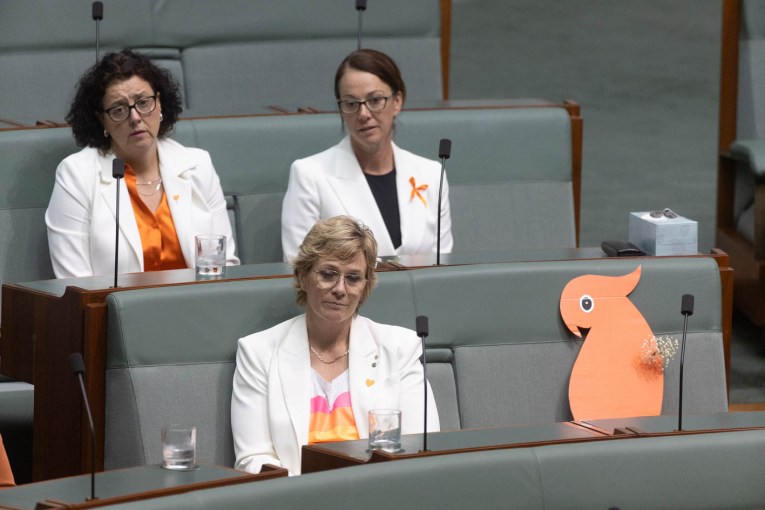
This week will be a test of character for our federal politicians. Photo: Mike Bowers
The Prime Minister is right. We – all of us – do need to “turn the temperature down”.
But as the crossbench, as well as MPs and senators across the Parliament, have discovered, the temperature has continued to rise since the tragic attack on Helen Haines last week.
We’ve all been assailed with a rising torrent of bile and threats – online, by email, by phone – as we and our teams have struggled to deal with grief for our friend and worry for our teams’ safety.
All while facing our normal office workload – meetings, events, requests for assistance on aged care, the NDIS, visas, and the like.
No amount of security would have saved Helen from what happened on Murphy Street, Wangaratta, last Monday. It wouldn’t have protected us or our hard-working, dedicated staff from similar attacks, or prevent random threats to other Australians.
It is only weeks, for instance, since Vietnamese-Australian shop owner Van Viet Truong was killed in an unprovoked bashing on the street outside his Sunshine store in Melbourne.
Violence and aggression are on the rise throughout our society. “Lowering the temperature” isn’t enough. We need better from our politicians and the media.
After uniting in grief and shock in the days after the attack, our politicians have already begun again to engage in partisan brawling.
This week will be a test of character for our federal politicians. I’m not alone in fearing that many will come up short.
All of us in Parliament bear some responsibility for the corrosion in public discourse. The way we speak to each other influences how those we represent see public figures.
If we can’t come together to act with real commitment after the gentlest of us has been subjected to such unthinkable violence, we never will.
But the media must also consider its actions.
Yes, digital platforms have weaponised outrage, farmed impulse and protected anonymity.
Digital duty of care legislation shifting the burden from victims to platforms would force them to design against coordinated harassment and amplified threats against MPs and other community members.
It would make safety a design obligation, not an afterthought, so the public square is less hostile for all who choose to take part in it.
And mainstream media can’t dodge responsibility – for turning anxiety into outrage, for amplifying grievance for more clicks. For fostering misogyny in how it speaks of female leaders in public spaces.
Don’t forget that newsrooms across the country now have screens recording in real time their consumers’ response to news items they’ve posted. The more clicks, the higher up the chart goes the story, and the happier the editor.
What drives clicks? Outrage, anger, division and hostility. The sorts of unchecked emotions which provoke online obscenities, rape and death threats.
Last Monday’s attack brought into focus the increasingly hostile environment in Australian politics – but also in our hospitals, schools, shopping centres and offices.
It’s not all men, but most aggression is committed by men. One man is accused of driving at Helen – others ran instinctively and courageously to her. They saved her life.
People say they don’t recognise our country, but our basic decency and selflessness are still there. We must use those muscles, not others.
Attitudes excusing violence against women are a stronger predictor of violent extremism than race, religion or political leanings.
When women stop running for public office, our democracy is at risk.
As Helen has said herself: “A woman’s place is in very room where decisions are made.”
Every step we have to take must protect women – all women, not just those of us in public life.
Helen Haines has been a model parliamentarian. Her work on the National Anti-Corruption Commission and other transparency measures define her as a great champion of integrity.
And since she first stood for Parliament, she has spoken often and urgently of the need to improve rural healthcare – especially mental health care.
Helen has advocated for a new hospital for Albury-Wodonga, for more mental health beds, for more support for healthcare professionals training in rural and regional centres.
She always uses her magnificent heart and mind for the greater good.
While we await her return, we can improve mental health services in the regions. We can put government funding where the need is highest and services are scarcest – as Helen has advocated.
What would Helen do?
She would turn grief and pain into action. She would look to address rising aggression and violence in our communities. She would ask her colleagues and the media to rise to the occasion by committing to change in the way we speak of and about each other.
She would advocate for better standards from digital and mainstream media and for better mental health care for all Australians.
We owe Helen and her family that same commitment.
Dr Monique Ryan is the independent federal member for Kooyong