Haines is a great reminder that politics can be good. We mustn’t let that be ignored

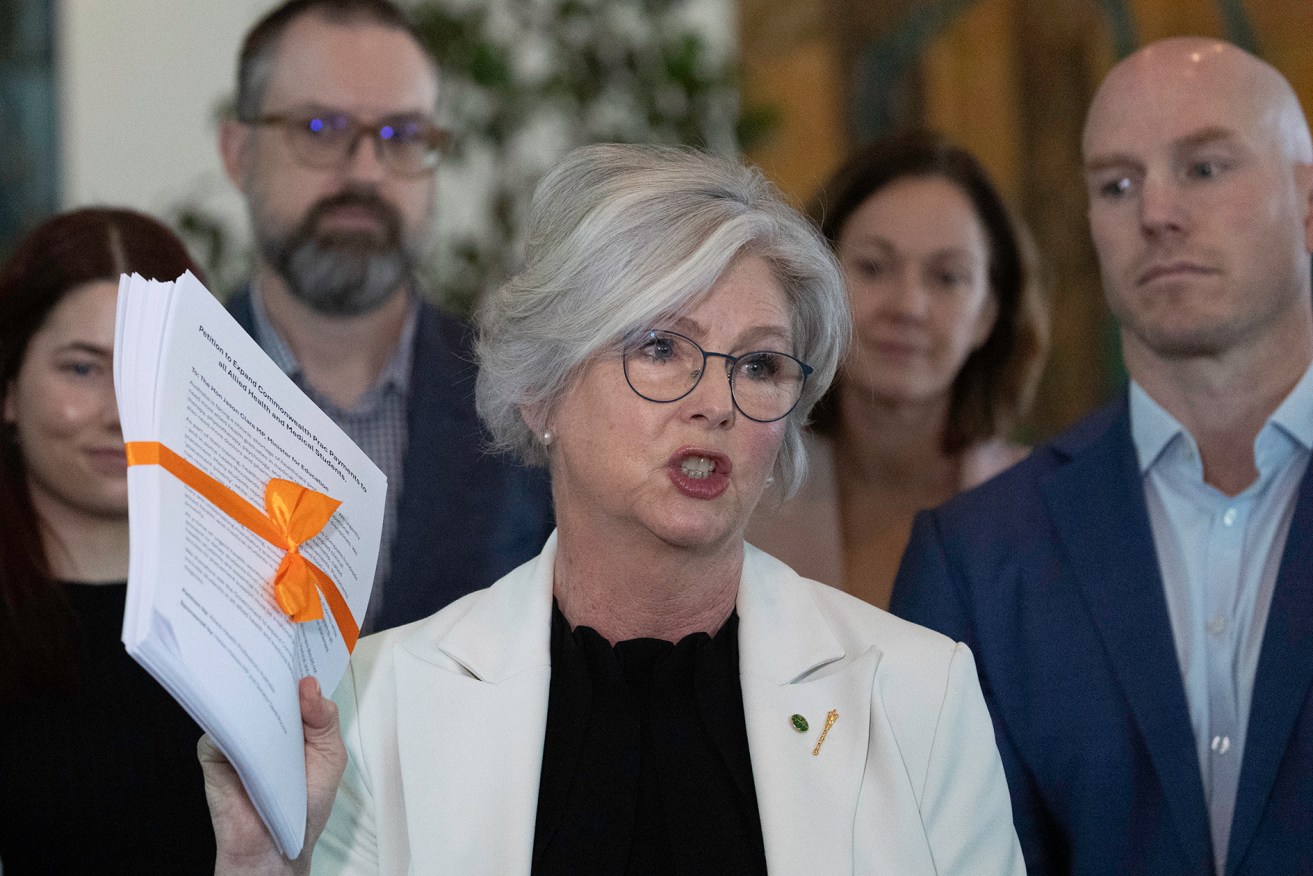
Helen Haines is a beloved MP because she believes in high standards and upholds them herself. Photo: Mike Bowers
We are about to enter a parliament week heavy with the weight of what happened to Helen Haines. We’ll hear about who and what is to blame, and what we all need to stop. And we do need to stop.
But the narrative that is emerging isn’t about what’s actually happening – it’s about silencing legitimate democratic dissent, and giving the status quo something to dig in around.
That shouldn’t surprise anyone who has been paying attention to Australia’s political debate.
Everyone is angry at politicians, all the time, but for different reasons. The left for feeling abandoned by the mainstream political left, which has shifted further to the right, and given legitimacy to bad faith attacks on motivations. The “centre” is miffed that it’s not seen as the most sensible and reasonable position at all times, and that its morally compromised position is becoming more and more obvious, and the right because it doesn’t have control over everything and is occasionally held to standards of accountability.
The anger is universal. The origins of it are not. The loudest message is to “turn down the temperature” or to “return to civility” not in the sense that we need to speak to everyone with a foundation of equal human dignity, but in the sense that everyone is to blame equally.
We are told to turn down the temperature by people who pose for selfies with Donald Trump or defend a genocide. That the pushback against provocation or dehumanisation or the dismissiveness of human misery is just as terrible, or even worse, than the provocation or acceptance of the worst of human exploitation of power itself.
At the heart of a lot of the anger is a feeling of hopelessness. We are conditioned to feel apathetic about our democracy, and by extension, our politicians and government, and that helps fuel the hopelessness that means nothing has to change. Those assigning blame for people wanting better for what happened to Haines not only spread that damaging apathy but also do the woman herself an immense disservice.
Because Haines is one of the greatest defenders and advocates for democracy in our parliament. Haines has high expectations of herself as a member of parliament, and of the government and parliament itself. She believes change is necessary and not only that, absolutely possible, by bringing more people into the democratic process.
Haines is beloved not because she bends, or changes depending on who she is speaking to, or disempowers people power. She is beloved because she not only holds high expectations for democracy and our leaders, but she lives by them. She doesn’t build common ground through compromising her beliefs, she builds it by coming at every interaction with the fundamental belief of equal human dignity. She doesn’t sit in the centre as we understand it politically, she defends her positions, and explains why we should push for more. And she represents her community as it deserves – not only telling them its people they matter, but asking them how they would like to be represented in parliament. And she fights for their dignity. Big and small.
Haines was a driving force in ensuring Australian grape growers could continue naming the grape variety for prosecco, prosecco – in Australia indefinitely and for international export for the next 10 years. That matters to growers who know how consumer memory works.
She has pushed for regional communities, and farmers and growers, to access energy transition subsidies, to lower their own costs, campaigned (successfully) for Commonwealth prac payments to also include allied health students, changed the lives of students and aged-care patients by taking their cases directly to ministers, fought for funding for roads and mobile black spots and increased connection for regional communities, bringing small levels of dignity we can take for granted to people who are too often forgotten. That matters to people who may have believed their daily life doesn’t matter.
She also stands as a standard bearer for integrity and transparency in a political class that all too often sees it as an easy casualty of politics. Haines expects higher standards and she holds the political class to them. She believes in democracy, she believes in dignity and she believes change is possible.
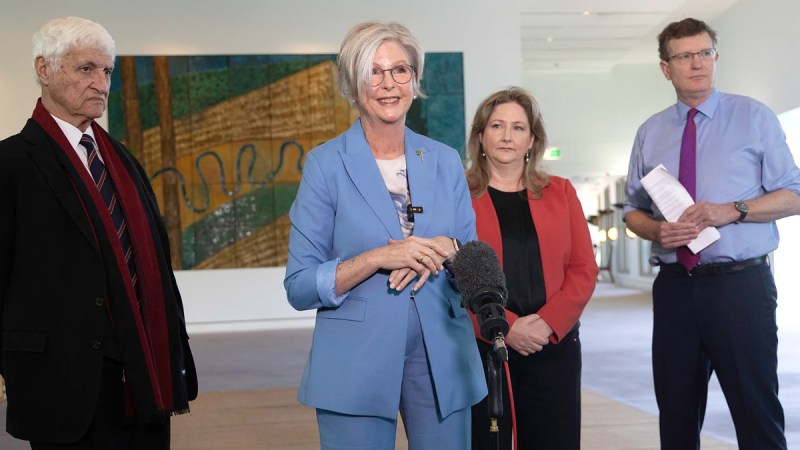
Haines (centre) has pushed for measures she knows will change the lives of people in her community. Photo: Mike Bowers
As we enter this parliament week, there will be a lot of people who speak about Helen and how much she means to them. We will hear a lot about her commitment to integrity, but not a lot of examination of how she applies that equally, and for democratic good.
There will be a lot assigned to Helen, but most of it decentres her as a person, as an elective official, and as someone who truly believes in the democratic process. Her most recent request was to send donations to Save the Children, her work as a midwife having instilled the importance of nourishing life from the beginning, no matter where someone is born.
At the time of writing, the donations drive in her name was on its way to reaching a million dollars.
That suggests that more people than we hear from not only believe in how Helen does politics, but find hope in it.
You won’t hear from them over the coming weeks. But you should keep them in mind. Because at the end of the day, Helen represents more than her community – she represents a better way of doing politics.
That’s going to be deliberately ignored in the commentary about the latest abhorrent act to shock the nation. But it’s an important part of how we move forward.
Amy Remeikis is a contributing editor for The New Daily and chief political analyst for The Australia Institute
Helen Haines reminds us that politics can be good


Ugly shift highlights Australia's biggest challenge