 Subscribe

Can you really risk not having home insurance during El Niño?
Home insurance premiums have surged by more than 50 per cent in five years, leaving Aussies facing a difficult choice as another summer of extreme weather approaches.

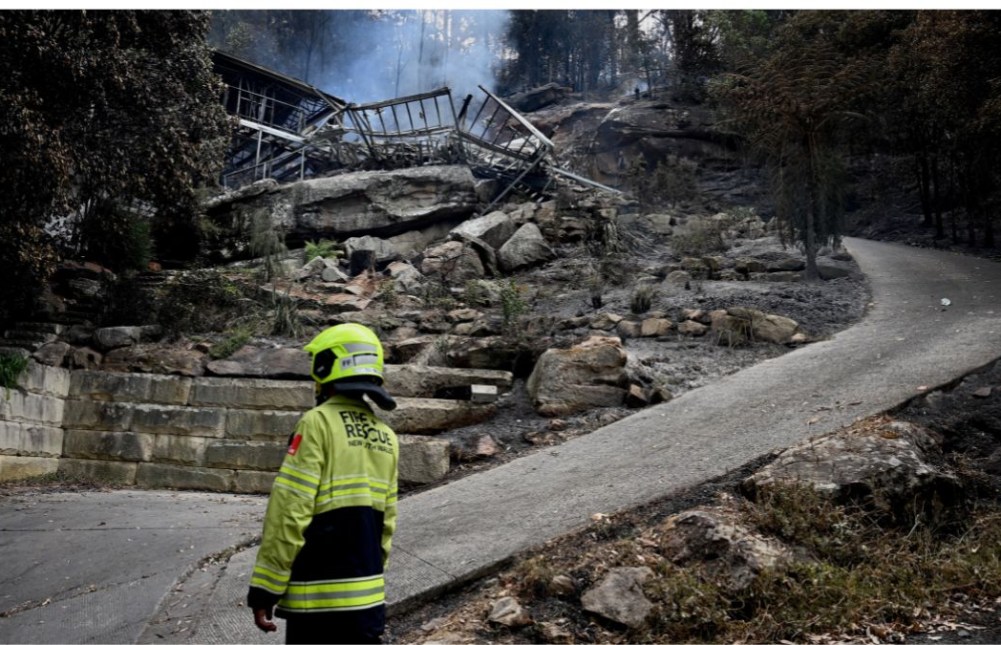
- Home and contents insurance premiums have risen 51 per cent over the past five years, adding hundreds of dollars to household costs.
- More than one in five insured Aussies are considering going without cover if premiums keep rising, despite the growing threat of extreme weather.
- Still, experts warn many households remain unprepared for natural disasters, with six in ten Aussies lacking an emergency plan or kit.
It’s undeniable that Aussie households are paying record amounts to insure their homes.
A string of natural disasters and severe weather is mainly to blame. Extreme heat, catastrophic fires, flash flooding and hailstorms, combined with rising construction costs and labour shortages, are driving premiums up.
Home and content insurance has risen a staggering 51 per cent over the past 5 years, according to data analytics firm Finity.
In just the last two years, premiums in the country’s five largest capitals have increased by an average of 26 per cent, a Compare the Market survey recently found. In dollar terms, that’s an extra $599.54 for a typical four-bedroom home.
With the looming El Niño and storm season coming in summer of 2026, experts warn that this year remains on track to become Australia’s wettest year on record.
Can one afford not to insure their homes?
National polling commissioned by the Climate Council found that homeowners are concerned extreme weather is driving unaffordable insurance costs, with many considering going without cover.
One in five people, 22 per cent with home and/or contents insurance today, are likely to consider going without insurance if insurance premiums continue to rise.
Sixty-five per cent of homeowners without insurance identify cost as the key barrier, alongside 53 per cent of renters.
In a recent statement, the Insurance Council of Australia warned policyholders to be ready for a wetter-than-usual summer, particularly after widespread storm activity across parts of Queensland and the Northern Territory in October 2026.
The last El Niño showed why Aussies cannot assume a particular climate driver will produce only one type of disaster, a Council spokesperson told The Money Edition.

The 2023–24 event began with record dry conditions and very high temperatures, but summer also brought cyclones, destructive storms and widespread flooding.
Four major declared weather events during that financial year generated almost 157,000 insurance claims and $2.19 billion in insured losses.
The Christmas storms across Queensland, New South Wales and Victoria alone caused $1.33 billion in insured losses, while the average claim following ex-Tropical Cyclone Jasper was around $36,000.
Cost of the last triple-dip La Niña storms
The triple-dip La Niña was part of a rare three-year consecutive event that spanned from 2020 to early 2023, resulting in some of the most economically devastating costs to the economy and government.
The 2022 floods cost the economy an estimated $5 billion from lost economic activity. Between February and November 2022, the Australian Government provided $3.47 billion in relief measures to individuals through the Disaster Recovery Allowance (DRA).
A one-off, non-means-tested payment of $1,000 per eligible adult and $400 per child who have been adversely affected under the Australian Government Disaster Recovery Payment (AGDRP).
No plan
Luke Gallagher, executive general manager of direct claims at Insurance Australia Group, said six in ten Aussies do not have an emergency plan in place or an emergency kit ready if severe weather strikes.
“We need to change that; there are simple steps you can take that will help you in the event of any wild weather, and to keep you safe if you’re caught off guard,” he said.
“Prepare an emergency kit and understand your local weather risks. Importantly, always stay up to date with the advice of emergency services during an extreme weather event,” Gallagher added.
Meanwhile, a Youi insurance survey found 28 per cent have done no preparation at all, and 70 per cent either don’t have an emergency plan in place or aren’t sure they do.
Only 19 per cent have prepared for extreme heat, and 16 per cent have prepared an emergency kit and only 16 per cent have reviewed their home or contents insurance.
“No one can predict exactly when or where severe weather will strike, Youi Executive General Manager Claims, Chris Jarrett, told The Money Edition. “Having insurance can provide financial support following an insured event and form an important part of household preparedness.”

Don’t wait for a warning
Disaster Relief Australia (DRA) co-founder Geoff Evans urged Aussies to understand the risks facing their local communities, as not every region faces the same threats during an El Niño season.
He said households should take simple precautions before summer, including clearing gutters, trimming overhanging branches and preparing an emergency plan.
Above all, Evans warned against waiting until severe weather is imminent.
“Once warnings are issued, options can become more limited and time pressures increase. Preparing early gives you more flexibility and puts you in a stronger position to respond.”
Even small steps taken now could make a significant difference when disaster strikes, reducing the risk of property damage and giving households more time to protect themselves and their families.