 Subscribe

‘Free doesn’t mean tax-free’: ATO puts influencers in the crosshairs
Receiving free gifts, lavish holidays and try-on hauls might seem like a major perk of being an influencer, but the tax office is watching.

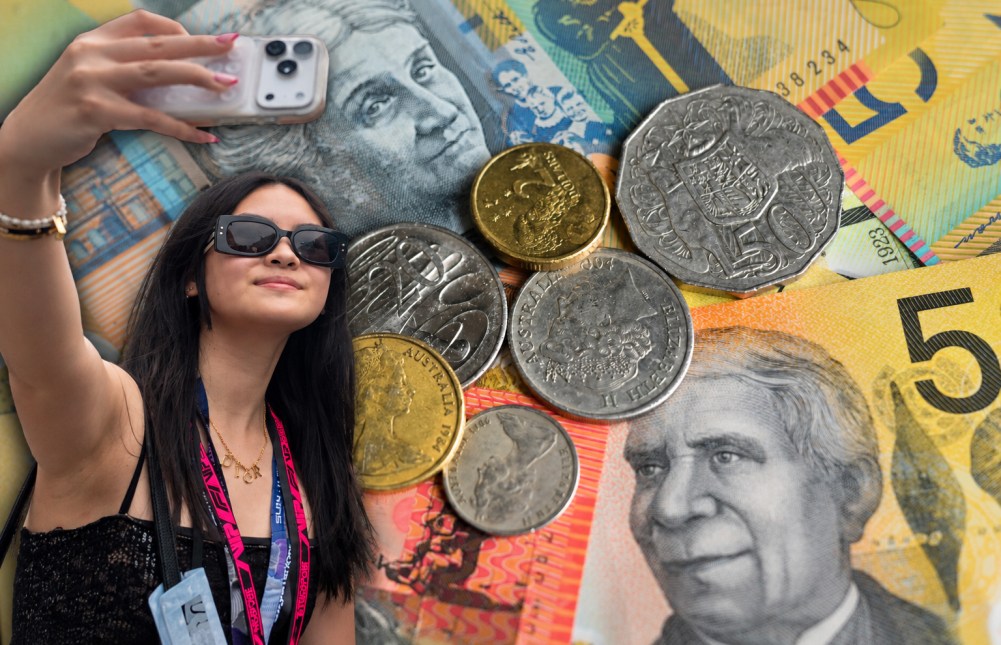
- The Australian Taxation Office says content creators who regularly receive money, gifts or perks from their content may have tax obligations.
- Free products, services and experiences received in exchange for promotion generally need to be declared at market value.
- The ATO has also launched a small business course and an industry guide tailored to content creators.
Receiving free gifts, lavish holidays and try-on hauls might seem like a major perk of being an influencer, but the tax office is warning content creators they could be breaking the law.
The Australian Taxation Office’s latest warning says content creators and influencers who regularly receive money, gifts, or perks from their content may have tax obligations.
ATO assistant commissioner Anita Challen said many creators are caught off guard when the ATO finds undeclared income through data-matching with platforms, lifestyle assets programs or community tip-offs, leading to an unexpected audit.
“We see creators grow audiences fast, but their record keeping and tax understanding doesn’t always keep up,” Challen said on Thursday.
“That’s what we’re trying to change.”

More Australians are earning money and valuable gifts from social media, streaming and podcasting, and the ATO says many of them have crossed from hobby to business without noticing.
“If you’re creating content and getting paid, whether in cash, products or experiences, you’re probably in business for tax purposes,” Challen said.
Jenny Wong, tax lead at professional accounting body CPA Australia, told The Money Edition the organisation welcomed clearer guidance for creators earning income through new and emerging forms of work.
Wong said it was the first time the ATO had “clearly defined how an individual can tell a hobby from a business,” calling it “a real step forward, particularly for the growing number of Australians now earning money online.”
The ATO said income can include advertising and platform payments, sponsorships, affiliate links, tips, donations, subscriptions, and free products, services or experiences received in exchange for promotion.
“If you’re gifted something because of your content, it generally needs to be declared at its market value,” Challen said.
“Free doesn’t mean tax‑free.”
But Wong cautioned that not every creator is automatically in business.
“Earning money online or receiving a free product does not automatically mean someone is running a business,” Wong said.
“Whether an activity amounts to a business depends on the individual circumstances and a range of factors, including its commercial character, intention to make a profit, the way the activity is organised, and its repetition and regularity.”
The ATO’s draft ruling, issued last week, sets out seven indicators it will weigh, and says no single one is decisive.
The ruling also says holding down another job doesn’t stop a side activity from being a business.
One example in the ruling describes a retail worker whose skincare review channel, started for fun, becomes a business once he signs sponsorship deals, hires an agent, offers paid subscriptions and actively works to make the channel profitable.
Wong said the line between a hobby, a side hustle and a business “can move surprisingly quickly,” with someone who starts posting for enjoyment later finding themselves “receiving advertising revenue, sponsorships or other commercial opportunities.”
“That is the point at which they need to stop and consider the tax consequences,” she said.
Once finalised, the ruling is proposed to apply both before and after its date of issue, though people who rely on the draft reasonably and in good faith won’t face interest or penalties if it turns out to be wrong, but may still owe the correct amount of tax.
“Creators whose income is growing should talk to a registered tax professional early,” Wong said.
“It is much easier to understand your tax obligations as your online activity grows, rather than reconstruct everything after the ATO comes knocking,” she said.
CPA Australia also advised creators to declare all income, including gifts, keep accurate records of income and expenses, understand their Australian Business Number (ABN) and GST obligations, and consider getting advice from a professional tax agent.
Topics: Australian Tax Office, Instagram, Tax