 Subscribe

‘Particularly painful’: RBA governor says fifth rate hike is needed
RBA Governor Michele Bullock said that today's rate hike was necessary in order to stop inflation from becoming entrenched in the economy.

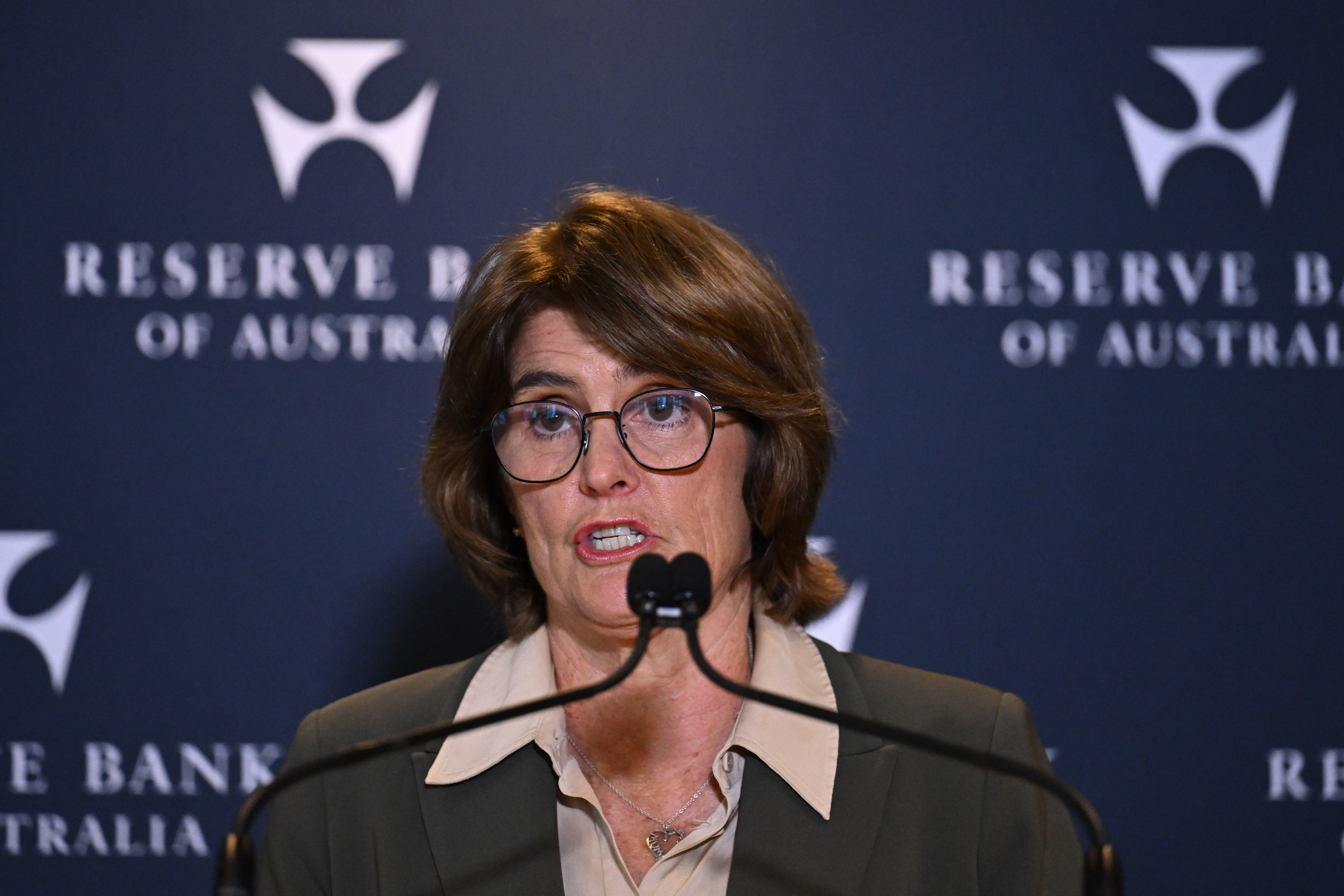
- RBA Governor Michele Bullock said that today’s rate hike was necessary in order to stop inflation from becoming entrenched in the economy.
- She acknowledged it would be painful for borrowers, but said: “Some pain now will prevent even worse pain down the track.”
- Treasurer Jim Chalmers also responded to the RBA’s fifth rate hike this year, saying it will push struggling households even further.
RBA Governor Michele Bullock has said today’s interest rate hike, the fifth of its kind this year, would be “particularly painful” for borrowers but is necessary to stop inflation from becoming entrenched.
Addressing reporters after delivering the 25 basis point hike to 4.85 per cent, Bullock spoke directly to borrowers who may feel monetary policy is unfairly targeting them.
“Now I understand that today’s decision is going to be difficult for Australians with mortgages, many of whom are already managing large repayments, but households with mortgages are not the only Australians doing it tough,” she said.
“Every household is dealing with higher prices for groceries, electricity, insurance and other essentials.
“High inflation is particularly painful for Australians on lower incomes, including people who rent and have little or no savings to fall back on. When most of your income is already going towards essentials, there is nowhere left to cut spending.
“This is why getting inflation down matters so much.”
Bullock said the hike was a case of “some pain now will prevent even worse pain down the track.”
Treasurer Jim Chalmers also responded to the rate hike, saying it will hit struggling households who are already under pressure to make ends meet.
“Today’s decision was widely expected, but that doesn’t make it any easier for Australian families and businesses to absorb,” he said.
“It will be difficult news for many Australians who are already paying a hefty price for circumstances outside of their control.
“Australians are already struggling, and this will stretch their budgets even further. I think especially when you consider that the full impacts of the previous rate rises from earlier this year haven’t been fully felt yet and they will slow our economy further when they are.”
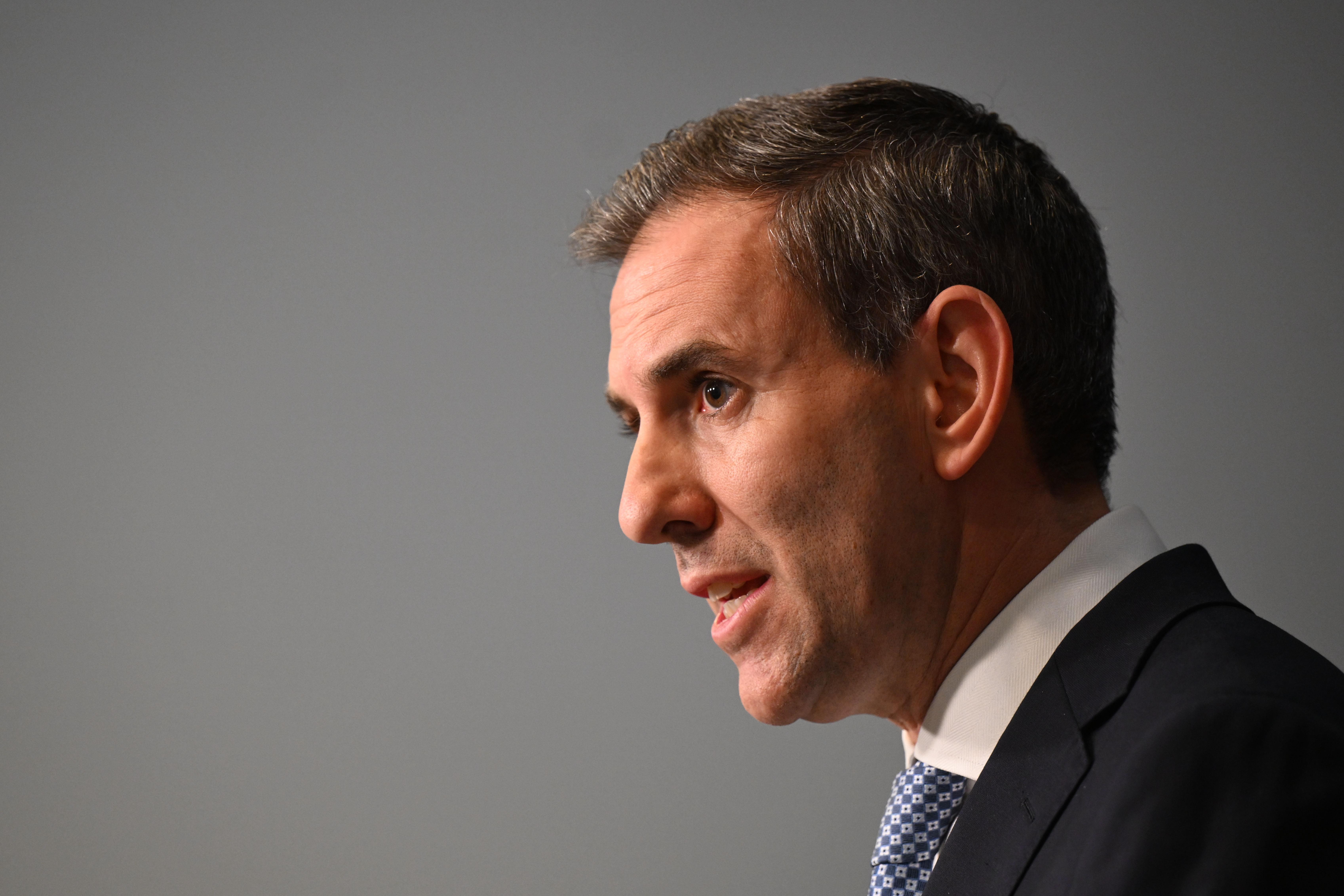
The Treasurer pointed towards the RBA board’s vote on monetary policy — which saw six members vote to increase against three members who voted for the cash rate to remain at 4.6 per cent.
“Today’s decision was widely anticipated, but it was not unanimous,” he said.
“This is unsurprising given the considerable uncertainty in the outlook and risks in both directions.”
Shadow Treasurer Tim Wilson took to social media to blame the government for Australia’s current inflation.
“Inflation has been too high since July of last year, seven months before a bomb was dropped on Iran,” he said.
“Jim Chalmers can’t kick his inflation addiction, and that’s why mortgage rates are higher, and Australians are paying more at the supermarket and getting less.”
How today’s hike will hit Aussie households
Jen Richardson, founder of accounting firm 123 Financial, told The Money Edition that today’s hike will profoundly affect households across the country.
“This hike comes at the most expensive time of year,” she said.
“It’s on top of the higher prices we’re already paying for groceries, fuel, power, and insurance. People aren’t starting from zero.
“They’re starting from a budget that is already pushed to the limit.”
Ron Hodge, CEO of digital wealth platform InvestSMART, told The Money Edition that today’s rate hike could prompt investors to pull money into safer investments.
“With inflation rising to 4.3 per cent in September, the RBA clearly isn’t ready to take its foot off the brake. But another rate rise is tough news for already stretched households,” Hodge said.
“For investors, higher rates are making cash and fixed-income investments more attractive, and Australians are responding.
“Our analysis of ASX data shows $8.1 billion flowed into fixed-income ETFs in the first nine months of 2026, with quarterly inflows almost doubling from $2 billion in March to $3.8 billion in September.”
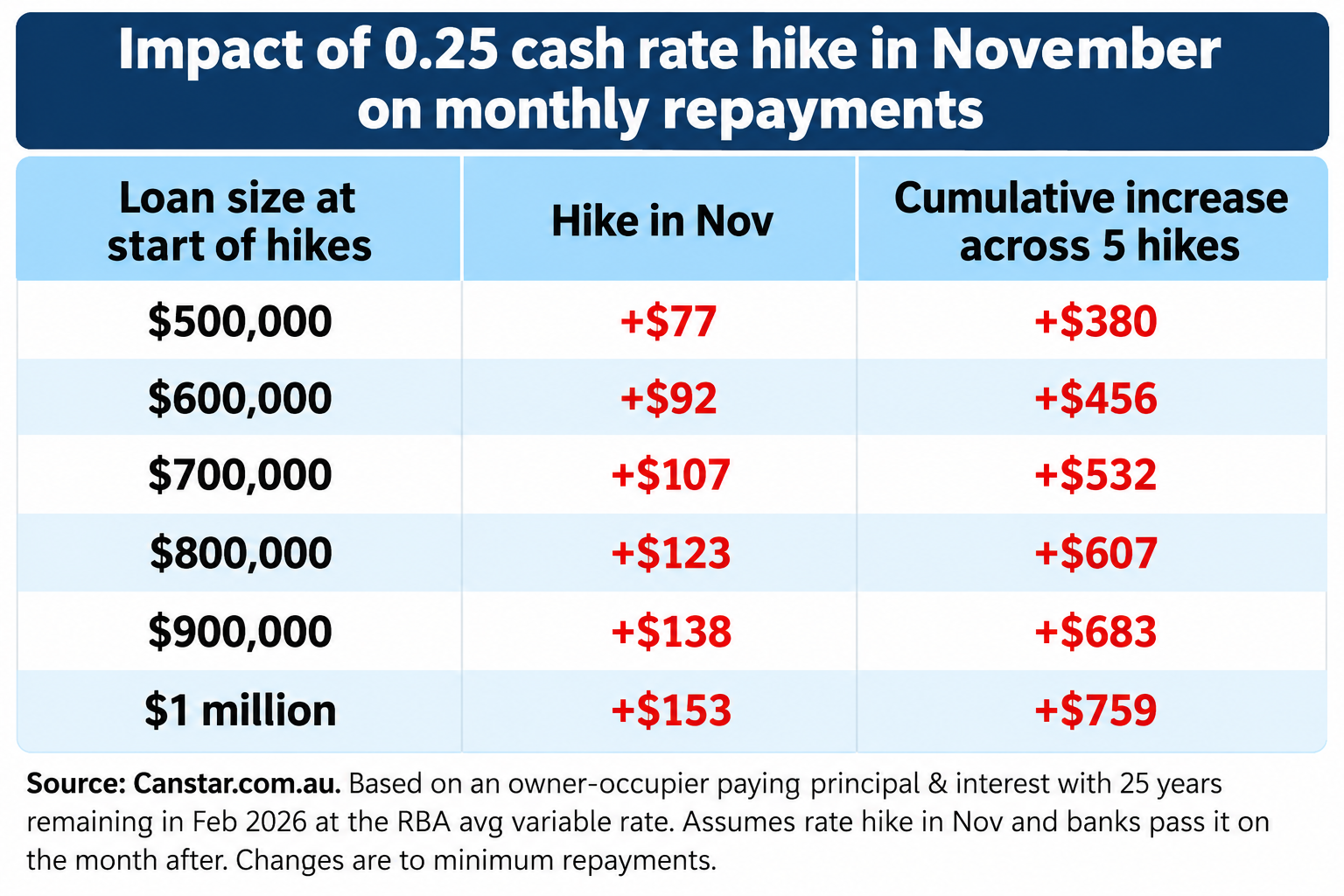
What to do if your budget is already stretched to the limit
If your household budget was already under strain, today’s rate hike might come as a shock.
You can take steps to manage your finances — and avoid some traps, too.
“The first place I see hardship play out is on the credit card. Nobody sits down and decides to live on credit,” Richardson said.
“But when the mortgage goes up, the groceries still need buying, so they go on the credit card. One tap at a time, the card has become the household’s lifeline, and before long, using it for everyday spending is just the norm.
“Then they are paying for this week’s groceries at around 20 per cent interest for months.”

She advises that households sit down and carefully review their expenses, from large items to small subscription costs.
“Most people, when they do decide to cut back, go looking for the big savings, but those tend to be one-off decisions, and whilst they are beneficial, they only get to be made once or twice,” she said.
“The real difference usually comes from the small regular cuts that keep happening every week.
“The insurance that auto-renewed without anyone reviewing the price, the extra trips to the supermarket because there wasn’t a plan in place.”
If you do all that and still find yourself short, Richardson says it’s time to contact your lender.
“Of course, if you are struggling, call your lender before you miss a payment,” she said.
“Make the call to see if they have a better rate that is more competitive, because loyal customers often pay more than new ones.”
Topics: Interest Rates, Jim Chalmers, Michele Bullock, RBA