 Subscribe

Three big events that could shake up your money next week
A packed Tuesday will put spending habits, investment markets and household finances in focus as November gets underway.


- Australians wagered $382.5 million on Melbourne Cup Day last year, raising questions about discretionary spending as inflation and higher interest rates squeeze household budgets.
- The US midterm elections could reshape Washington’s economic agenda, with implications for Australian investors and exporters.
- Markets are pricing in another RBA rate hike next Tuesday, although economists remain divided on whether the central bank will lift rates for a fifth time this year.
With only a couple of days remaining in October, November is already shaping up to be a big month for your money. And it all kicks off with three big events next Tuesday.
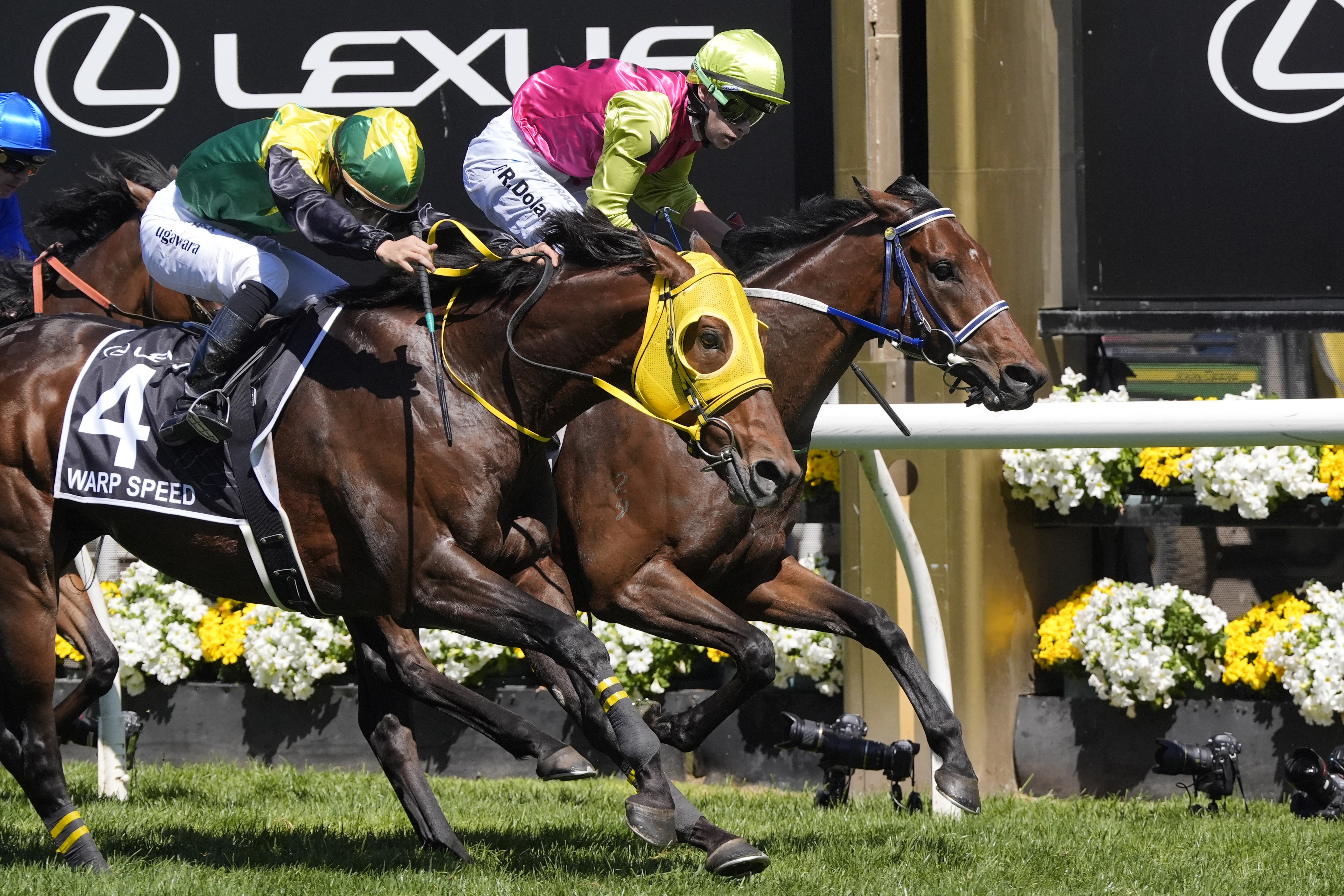
The first big money-moving event is Melbourne Cup Day.
The 3,200-metre race (that’s two miles, if you’re paying attention) takes place on the first Tuesday of November at the Flemington Racecourse in Victoria. With the first Melbourne Cup run in 1861, this will mark the 166th race.
And if last year’s race day wagers are any indication, Australians are likely to bet more than a quarter billion dollars.
According to the Victoria Racing Club, Australians wagered a record $247.4 million on the Melbourne Cup race in 2025, with total betting turnover reaching $382.5 million across the full race-day program.
Many punters simply bet on the favourites. If you’d been doing that since 1861, you would have won 34 of those 165 bets, or a win rate of around 20.6%.
The scale of wagering also offers a glimpse into Australians’ appetite for discretionary spending at a time when higher interest rates and persistent inflation are squeezing household budgets.
While Cup Day betting doesn’t directly measure consumer confidence, it remains one of the country’s biggest annual gambling events.
That brings us to the second big money-moving event you’ll want to watch on the same day you may be having a punt.
World’s top economy heads to the voting booth
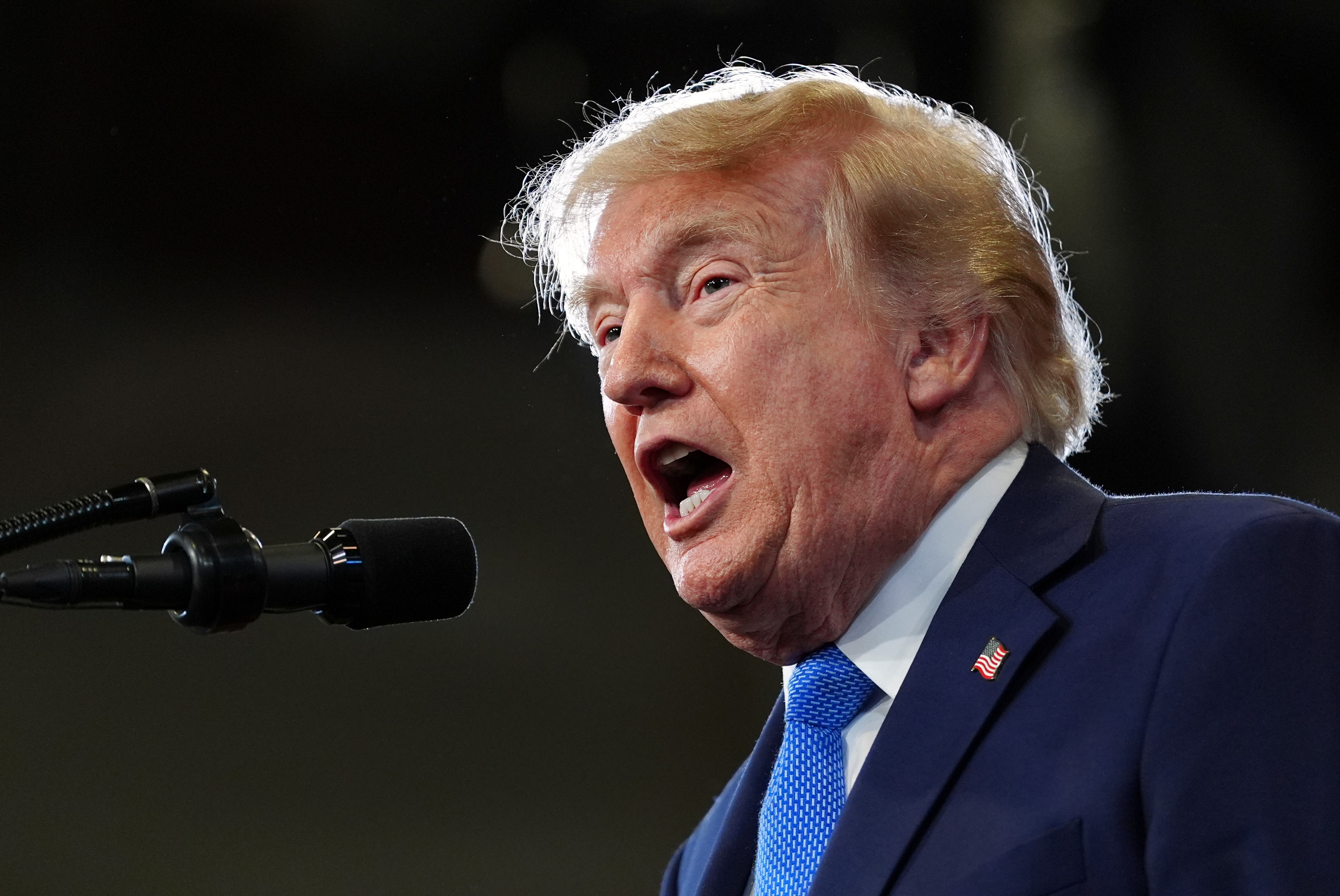
Regardless of your political leanings, the November 3 US midterm elections are worth watching. Results will likely be in by the morning of November 4 for us Aussies.
US midterms are generally seen as a test of the incumbent president’s performance. The Republicans currently hold a slim majority in both the Senate and the House of Representatives.
But with most US voters now disapproving of how Donald Trump is handling the economy, recent polling suggests Democrats are likely to regain control of the House, while the Senate race remains tight.
All 435 House seats are up for election, along with 35 of the 100 Senate seats.
If the Democrats regain a majority in at least one Congressional house, this could limit, though not eliminate, Trump’s tariff powers. That could provide tailwinds for some Australian exporters. Fewer tariffs could also help ease global inflationary pressures.
If Democrats gain a majority in one or both of the houses, it could also limit US Federal government spending and fiscal stimulus measures.
That may also help ease inflation, lower soaring bond yields, and potentially support global stock markets like the ASX by reducing borrowing costs.
It’s difficult to say exactly how global markets will react, especially at home.
But if Democrats retake control of either house, investors worldwide can expect more partisan standoffs, US government gridlock, and market volatility.
From race to rates
Rounding off our list of three big money-shaking events to watch next Tuesday is the Reserve Bank of Australia’s interest rate meeting.
The RBA has already raised interest rates four times in 2026 to combat stubborn inflation, pushing the official cash rate to 4.60 per cent, its highest level in 15 years.
That’s a sharp reversal from April 2022, when the cash rate stood at just 0.10 per cent as the central bank sought to support Australia’s economic recovery from the pandemic.
While higher rates tend to benefit savers and boost the Aussie dollar, supporting companies focused on imports, they can also add a significant financial burden for mortgage holders.
Higher rates can also hurt ASX growth stocks and companies with high debt levels. Indeed, pressured in part by rising interest rates, the ASX 200 has slumped 3.1% over the past 12 months.
And market expectations of another rate hike next week have climbed to 62%, according to the ASX’s RBA Rate Tracker.
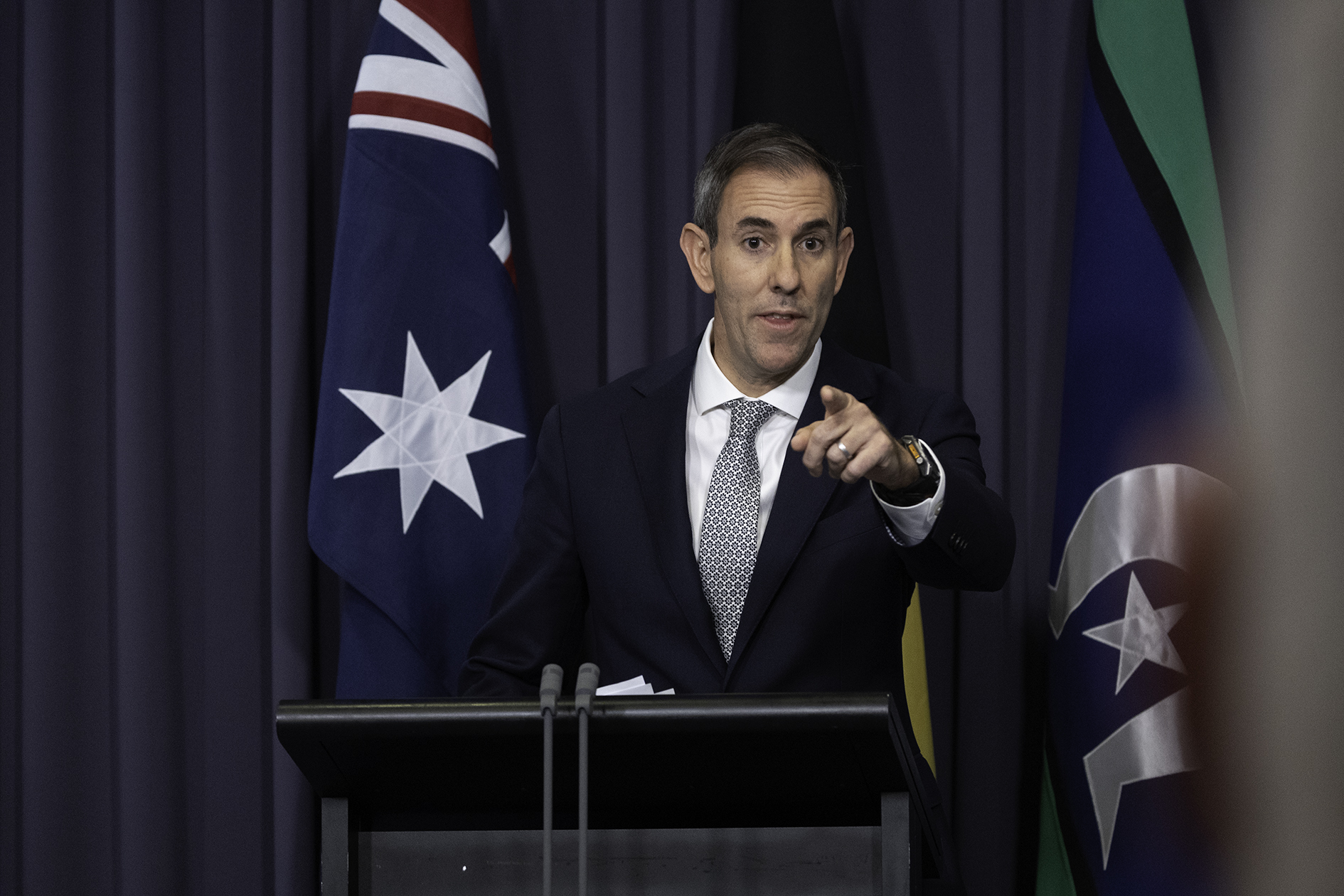
RBA deputy governor Andrew Hauser fuelled rate hike concerns at the Citi Investment Conference last Wednesday.
“We’re a week and a half from the policy meeting, and we’re still finalising our forecast,” Hauser said. “So, I don’t know for sure, but a few things are clear. The inflation outlook looks materially worse than we projected in the August report.”
Hauser also pointed to a survey conducted together with Macquarie University, which showed that more businesses believe inflation up to 3.5% – above the RBA’s top range of 3.0% – is the new normal.
“That is the central banker’s nightmare. We can’t allow expectations to shift away from the target,” Hauser said.
Investors and mortgage holders alike should gain a little more insight into the RBA’s upcoming move tomorrow, when the ABS releases the latest inflation data.
Commonwealth Bank Senior Economist Trent Saunders expects headline inflation will come in at 3.9% for the year, with annual trimmed mean inflation – the RBA’s preferred measure – coming in at 3.6%.
Saunders forecasts those figures should keep rates on hold next Tuesday.
“While our baseline remains for the RBA to leave the cash rate unchanged, the decision will depend heavily on the outcome and composition of [the] CPI print,” he said.
Topics: Donald Trump, Interest Rates, Melbourne Cup