 Subscribe

Millions living in poverty as welfare payments fall short
New research reveals the scale of poverty among Australians relying on government support, as charities report sustained demand for emergency assistance.

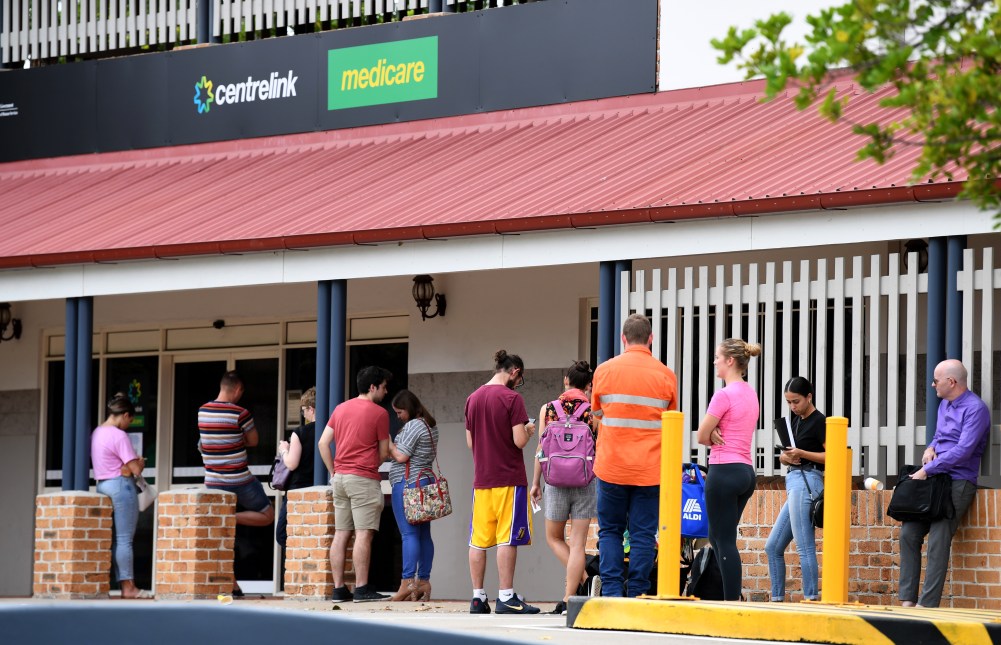
- More than 3.7 million Australians, including 757,000 children, are living below the poverty line.
- Three-quarters of people in households relying mainly on JobSeeker or Youth Allowance were found to be living in poverty.
- Welfare groups are calling for higher income support payments as rising rents and living costs put pressure on vulnerable households.
Three in four Australians in households relying on JobSeeker are living below the poverty line, with new research revealing the extent to which government income support is falling short of covering basic living costs.
The report, Poverty in Australia 2026: Who is affected, from the Australian Council of Social Service (ACOSS) and UNSW Sydney’s Poverty and Inequality Partnership, found that 14.2 per cent of Australians and 15.6 per cent of children lived below the poverty line after accounting for housing costs.
In total, 3.7 million Australians were living in poverty, including 757,000 children.
The findings, released on October 12, are based on 2022–23 data and show an increase from 2019–20, when an estimated one in eight Australians lived in poverty. However, the earlier figures used a different data source.
The research highlights the financial pressures facing people relying on government support, particularly as high rents and the cost of basic essentials continue to strain household budgets.
Among households relying mainly on income support, poverty rates were especially high where the main payment was JobSeeker Payment (76 per cent), Youth Allowance (73 per cent), Parenting Payment (71 per cent), and Disability Support Pension (56 per cent).
The findings predate increases to income support payments and Commonwealth Rent Assistance introduced from September 2023.
What constitutes the poverty line
The poverty line is based on 50 per cent of median household income, adjusted for household size and housing costs.
Before housing costs are deducted, this ranged from $584 per week for a single person to $1,226 per week for a couple with two children.
People in households below the poverty line averaged $390 per week below that level after deducting housing costs. That shortfall, known as the poverty gap, averaged 47 per cent of the poverty line.
Half of those in households mainly reliant on government payments were living in poverty, with those relying on JobSeeker, Youth Allowance and Parenting Payment facing the greatest risk.
UNSW Sydney Scientia Professor Carla Treloar told The Money Edition the research highlighted how far below the poverty line people on the lowest payments were living.
“People in households relying on JobSeeker had incomes averaging $331 a week below the poverty line,” Treloar said. “For Parenting Payment households it was $236 a week.”
She said the payments left people a long way from being able to cover the basics, with substantial increases needed to close the gaps.
ACOSS CEO Dr Cassandra Goldie said those relying on income support were struggling to afford groceries and other essentials, with some skipping meals.
“JobSeeker, Youth Allowance and Parenting Payments are so low they are forcing people into poverty,” Dr Goldie said.
She said almost two million people relying on government support were being pushed towards destitution in one of the wealthiest countries in the world, arguing the government had the ability to address the problem.
Charities report sustained demand for help
Mission Australia CEO Sharon Callister told The Money Edition the charity provides emergency relief to people in need across several locations in Australia, with demand remaining consistently high.
“Today, our frontline staff are reporting that the demand for support is consistently high, with many people facing cost of living pressures and feeling the impact of rising rents as they struggle to find housing they can afford.”
“The impact of the high cost of fuel is being felt most acutely in regional and rural areas without good public transport, with our staff seeing more requests for fuel vouchers as a result.”
Callister said people should not have to struggle to afford essentials or worry about keeping a roof over their heads.
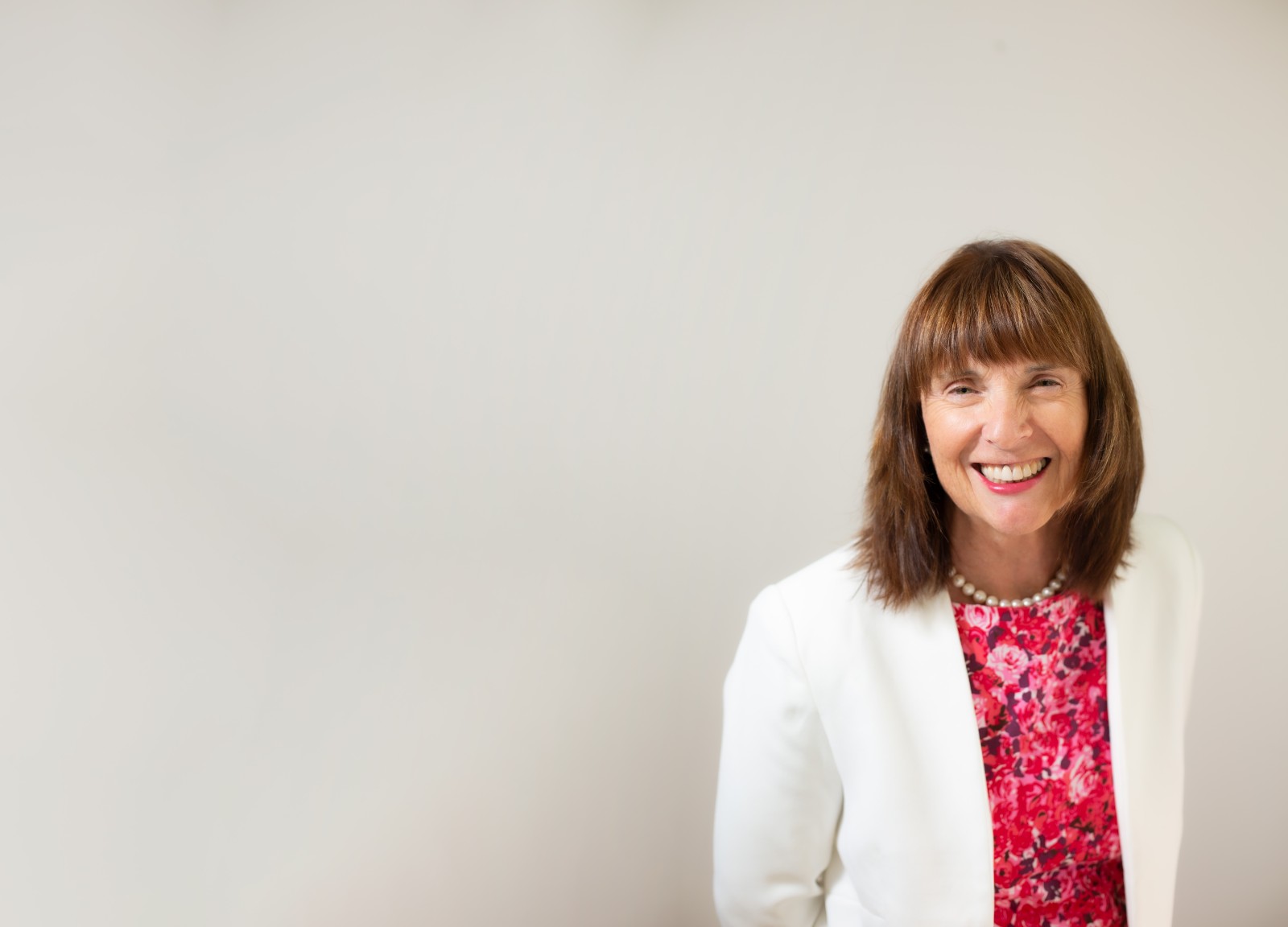
“Through Mission Australia’s services and community housing, we see every day how poverty can push people into homelessness.”
Mission Australia is urging the federal government to raise income support payments, including JobSeeker, to at least $82 a day.
JobSeeker rates vary depending on a recipient’s circumstances, with the charity arguing current payments are insufficient to cover basic living costs.
“Governments must provide adequate income support, invest in more social and affordable housing and fund the support people and families need to stay safely housed so that people can afford the essentials and live with dignity,” Callister said.