 Subscribe

Record battery rollout helps drive down prices: Why your electricity bill could fall
Wholesale power prices almost halved as record large-scale battery storage came online, with regulated household tariffs cut from 1 July.

- Nine large batteries holding 7.1 gigawatt-hours of storage were switched on in the first half of 2026, more storage than in all of 2025, according to the Clean Energy Council.
- Wholesale prices in the National Electricity Market averaged $74 per megawatt-hour in the June quarter, down 47 per cent on a year earlier.
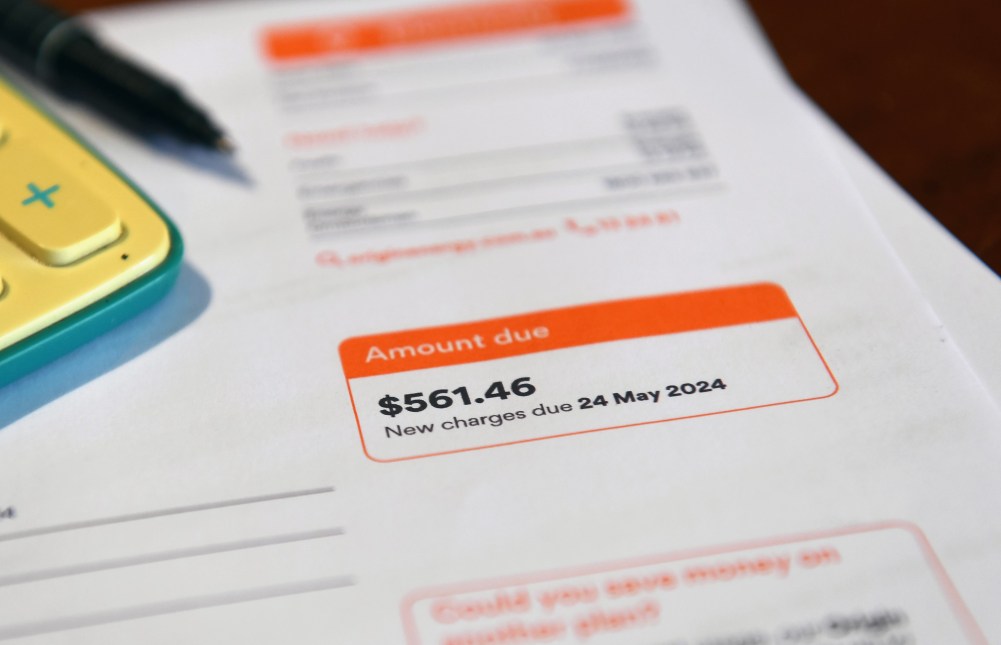
- Regulated household electricity prices fell by up to 7.2 per cent from 1 July, though an expert says bills won’t fall by the same margin as wholesale prices.
Australians should expect to start seeing cheaper electricity bills as a wave of large-scale batteries are turned on in what an expert calls “a clear lasting change.”
Nine large batteries worth $4.3 billion began operating between January and June, adding 7.1 gigawatt-hours (GWh) of storage compared with 5.1 GWh in all of 2025, according to the Clean Energy Council (CEC), the industry’s peak body, in its latest Bi-annual Investment Report.
The build-out came as inflation hit 4.6 per cent in March and the Reserve Bank lifted the cash rate to 4.35 per cent in May, yet wholesale power prices moved the other way, the report noted.
“Batteries are structurally changing electricity prices by moving cheap, abundant renewable electricity into the evening peak, where it competes with expensive gas generation and reduces price spikes,” Professor Ray Wills, managing director of Future Smart Strategies and adjunct professor at The University of Western Australia, told The Money Edition.
“That is a clear lasting change in how the market operates, not simply a weather effect.”
Twelve generation projects totalling 2.6 gigawatts (GW) reached financial close over the half, above the 2.3 GW committed across 2025, with solar and solar-hybrid projects making up 92 per cent of that capacity, the CEC found.
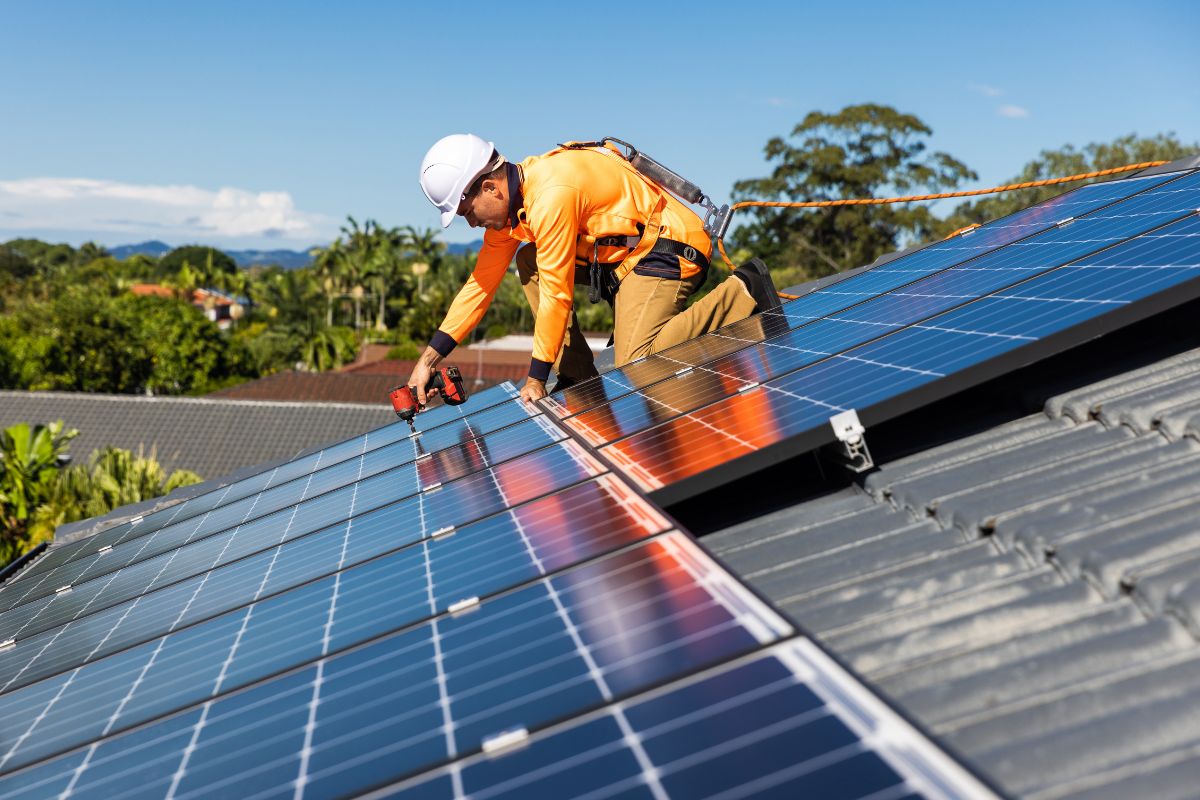
Batteries are also getting bigger, averaging 792 megawatt-hours (MWh) this year against 427 MWh in 2025.
Five generation projects worth more than $2.8 billion began supplying power, led by the 756-megawatt first stage of Victoria’s Golden Plains Wind Farm.
Wholesale prices in the National Electricity Market (NEM), the grid serving eastern and southern Australia, averaged $74 per MWh in the June quarter, down 47 per cent on a year earlier, according to Australian Energy Market Operator (AEMO) data cited in the report.
Average battery output almost tripled, and evening-peak battery supply jumped 228 per cent, while gas generation hit its lowest June-quarter level since 2003.
Professor Wills cautioned the full 47 per cent fall “cannot be credited to batteries,” pointing to AEMO’s finding of “increased renewable generation and lower evening demand,” as milder weather cut heating needs.
“The evidence supports batteries as an important contributor as a part of our clean energy transition,” he said.
From 1 July, regulated household electricity prices fell 3.4 to 7.2 per cent in New South Wales and south-east Queensland, and by around 5 per cent in Victoria, the report found.
The Australian Energy Regulator (AER) credited its cuts to more wind and battery generation, the report noted, though network costs are rising in some regions.
Professor Wills said households should benefit “as sustained wholesale savings feed through retailers’ contracts and tariff resets,” but warned a 47 per cent fall in quarterly spot prices “does not mean a 47 per cent reduction in bills.”
“Network charges and other retail costs remain, and retailers buy electricity over longer periods rather than entirely at today’s spot price,” he said.
Another 6.5 GWh of storage reached financial close, including a record 6.3 GWh in the June quarter, and 141 projects worth about $32.5 billion are now funded or under construction.
But the CEC said investor confidence appears to be softening, particularly for onshore wind, with investors naming approvals and transmission as their biggest obstacles.
Western Australia’s 133-megawatt Nullagine Wind Project was the only wind farm to reach financial close in the half.
Competition from new batteries “will continue to squeeze expensive peak periods,” Professor Wills said, with the benefits set to grow “as storage is added alongside renewable generation and the networks connecting them.”
Topics: Australia, Electricity Prices, renewable energy