 Subscribe
‘Billions of dollars’: Small business to fight discretionary trust tax changes
Businesses will get a chance to air their grievances over Labor's proposed tax on discretionary trusts, which they warn could set them back billions of dollars.
- Treasurer Jim Chalmers will introduce legislation to the parliament today that changes how discretionary trusts are taxed.
- The legislation will likely face a Senate inquiry, where business groups will argue the changes undermine their succession planning.
- Under the proposed changes, discretionary trusts will be taxed at a minimum of 30 per cent, instead of the current model, which sees variable tax paid, often well below 30 per cent.
Businesses will get a chance to air their grievances over Labor’s proposed tax on discretionary trusts, which they warn could set them back billions of dollars in restructuring costs.
In a bid to placate the business community by offering a workaround for small firms to dodge the new tax, the government has inadvertently put the Greens offside.
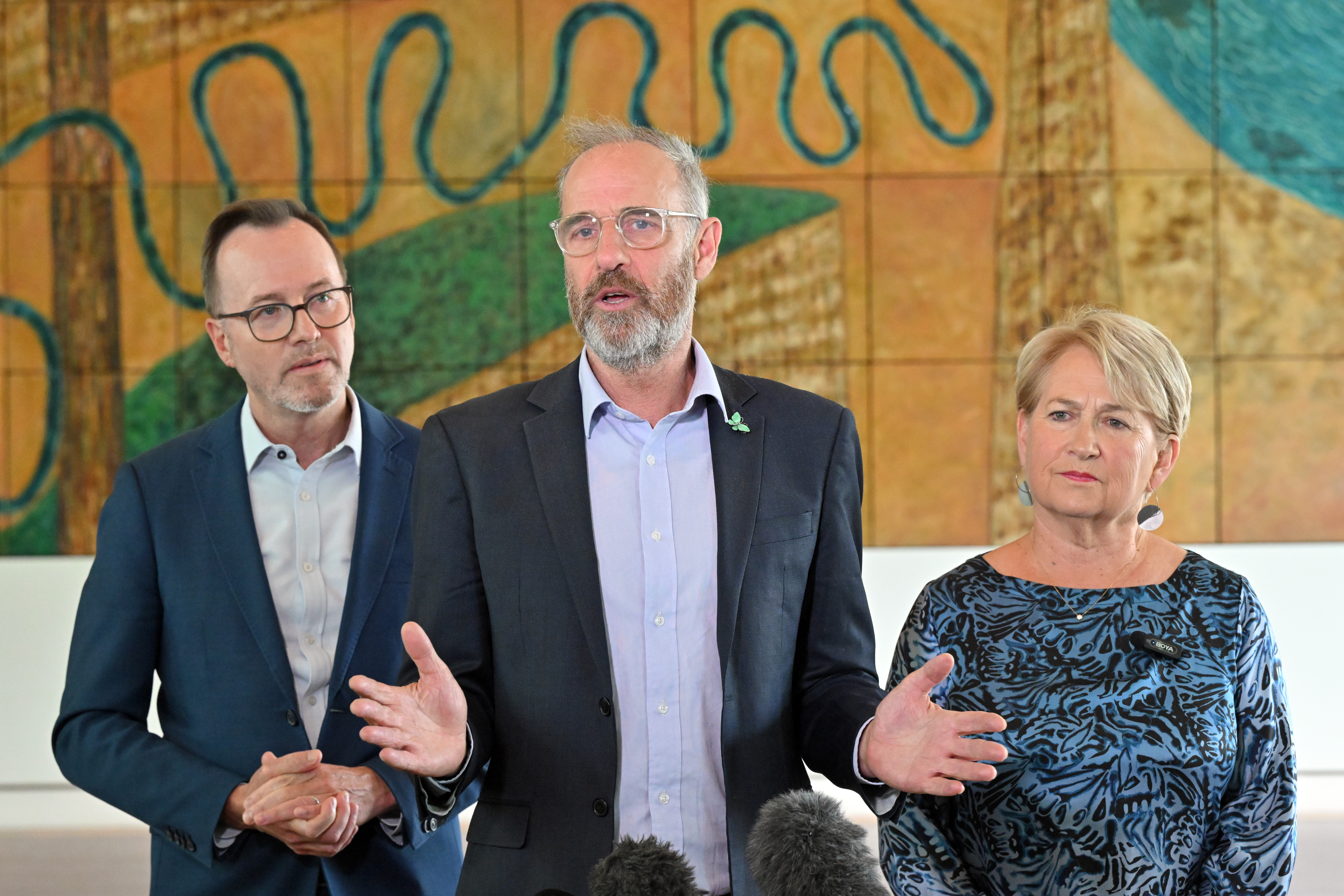
Greens economics spokesman Nick McKim said the minor party would move for a Senate inquiry to examine the carve-out, fearing that it would let people with trusts off too lightly.
“In classic Labor fashion, the government has managed to water down its own position before the legislation has even reached parliament,” he said in a statement on Tuesday.
“These reforms appeared to be mildly positive when they were first announced, but there is a real risk that Labor’s political cowardice is transforming them into yet another missed opportunity.”
Treasurer Jim Chalmers is set to introduce the legislation on Wednesday but now has no prospect of seeing it passed until at least late 2026, given the Greens’ insistence on an inquiry and the coalition’s wholesale opposition to the proposal.
Dr Chalmers announced the plan to impose a 30 per cent minimum tax on trusts in the May budget, arguing the rapid growth in the use of legal structures by wealthy Australians was subverting the tax system and placing a greater burden on workers.
“The reason that we are dealing with this is because the flexibility provided by trusts can allow some Australians to plan their tax affairs in ways that aren’t available to most workers and to most families,” he told Question Time.
But business groups argue trusts are used for legitimate reasons by many employers, including to protect their assets and arrange succession planning.
Wilson Asset Management and accounting body CPA Australia estimate the 210,000 business trusts Treasury expects to be affected could face between $8 billion and $13.3 billion in advice and restructuring costs.
Stamp duties levied by states on transferring property or other assets could add billions more to the bill.
The impost is another hit to small businesses already livid with Labor over higher capital gains taxes, a ban on card surcharges and the rising cost of doing business.
Australian Retail Council chief executive Chris Rodwell said piles of red tape and complex workplace regulations were making it impossible for small business owners to innovate.
“In the general retail industry award, we have one of the most absurdly complex documents you could possibly imagine,” he told the Australian Chamber of Commerce and Industry business leaders summit in Canberra.
“You’ve got 994 different pay rates across 94 different pages.
“If we genuinely think that we’re creating some kind of a simplicity in the framework by which small businesses operate, we’re kidding ourselves.”
-AAP
Topics: Jim Chalmers, Tax, tax reform