 Subscribe

Household spending rises faster than expected as fuel costs jump
New data from the Australian Bureau of Statistics (ABS) revealed that in September, household spending rose by 0.6 per cent, smashing economists' expectations of a modest 0.2 per cent gain.

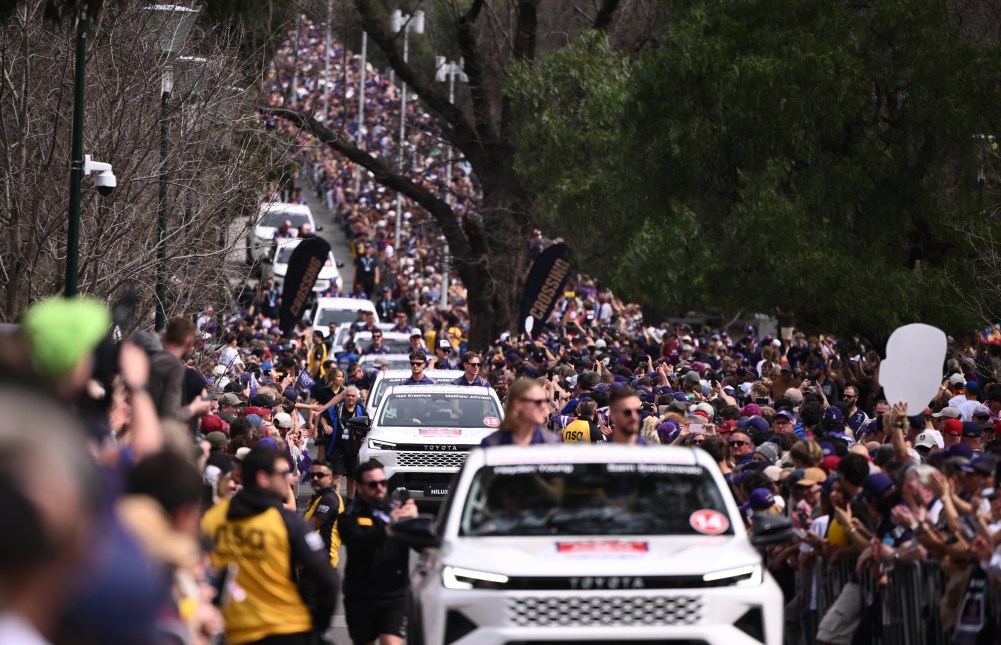
- Household spending in Australia has risen far faster than economists had predicted, despite soaring interest rates and a high cost of living.
- The ABS reported that in the month of September, household spending rose 0.6 per cent, well above the forecast 0.2 per cent rise.
- Statisticians theorise that essential spending on fuel drove the increase, along with non-essential spending on sporting finals such as the NRL and AFL finals series.
Australia’s household spending has risen faster than expected, despite the Reserve Bank of Australia’s (RBA) best efforts to stem rising inflation.
New data from the Australian Bureau of Statistics (ABS), released Wednesday, revealed that in September, household spending rose by 0.6 per cent, smashing economists’ expectations of a modest 0.2 per cent gain.
Both essential and discretionary spending rose, driven by domestic flights for the NRL and AFL Grand Finals, but the real hit to household budgets came from fuel costs.
Fuel spending rose 5.4 per cent in September, reflecting higher global oil prices and the end of the fuel excise relief on 3 August.
“Household spending rose across essential and discretionary categories, with both Transport and Health rising by 1.5 per cent and Recreation and culture rising by 0.8 per cent,” Tom Lay, head of business statistics at the ABS, said.
“The rise in Transport reflected higher spending on fuel, vehicle repairs and maintenance, and domestic air travel as people travelled to attend major sporting events.”

Health spending rose because of higher spending on GP visits, dental and optometric services, and pharmaceutical and toiletry goods.
“It’s likely that the late flu activity added to higher health spending in September, driving greater demand for GP consultations and medicines,” Lay said.
Spending on alcohol, food and household furnishings all fell in September.
Dr Shane Oliver, Chief Economist and Head of Macro Strategy at AMP, told The Money Edition that despite the increase, there were signs households were beginning to struggle.
“The data suggests that consumer spending held up reasonably well in the last quarter, but there are telltale signs in there that things are starting to weaken, once you abstract from the impact of higher fuel prices, spending on entertainment and sporting events that are often one-offs,” he said.
“The underlying picture seems to be softening a bit. There’s a bunch of retailers out there telling the same story, that consumers are cutting back their spending.
“So while these numbers were solid on the face of it, it looks a little bit distorted by things that might prove to be a one-off.”
Dr Oliver said it was important to note that this was data until the end of September, and doesn’t factor in yesterday’s rate hike.
“I think it’s likely a case of the data yet to catch up to the pain,” he said.
“There’s always a danger in that all the anecdotes you hear are only from those who are struggling.
“The full impact of the rate rises is yet to fully show up. It’s the same with the household spending data. To me, if you look at it, it does look like it might be losing a bit of momentum.”
RBA governor warns: ‘It might feel like a recession’
The jump in household spending comes as the RBA does its best to clamp down on discretionary activities, yesterday delivering a fifth rate hike of 2026.
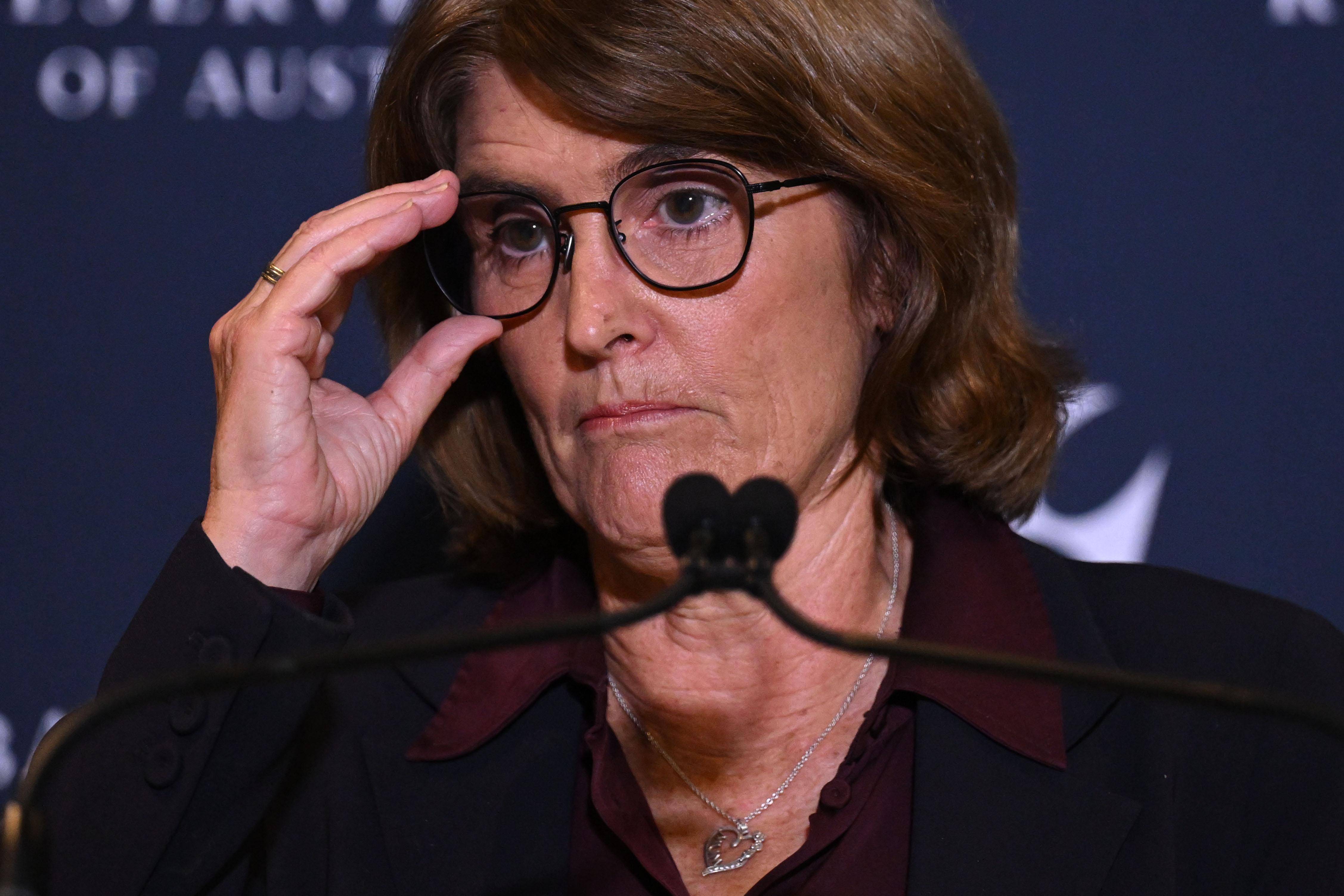
Addressing the rate hike on Tuesday, RBA Governor Michele Bullock said the central bank did not want to push the economy into a recession “if we can avoid it,” but warned that it will still feel like one to many households.
“It is going to make people feel like it’s a recession because they feel poorer,” Bullock told reporters.
“Their spending can’t grow very quickly, because their incomes aren’t growing very quickly
“This is a manifestation of a lack of productivity growth and the fact that we’ve had this massive supply shock imposed upon us, and we’re all poorer.”
The way households spend can be a major contributor to inflation, as much as 60 to 70 per cent in advanced economies like Australia or the UK.
This prompts many to urge “middle Australians” to buy less stuff — but most household expenses aren’t discretionary trips to Kmart.
They are large, essential bills such as mortgage or rental payments, groceries, fuelling the car or paying their energy bills.
Topics: Household budget, Inflation