Who’s in the room? Australians deserve to see ministers’ diaries

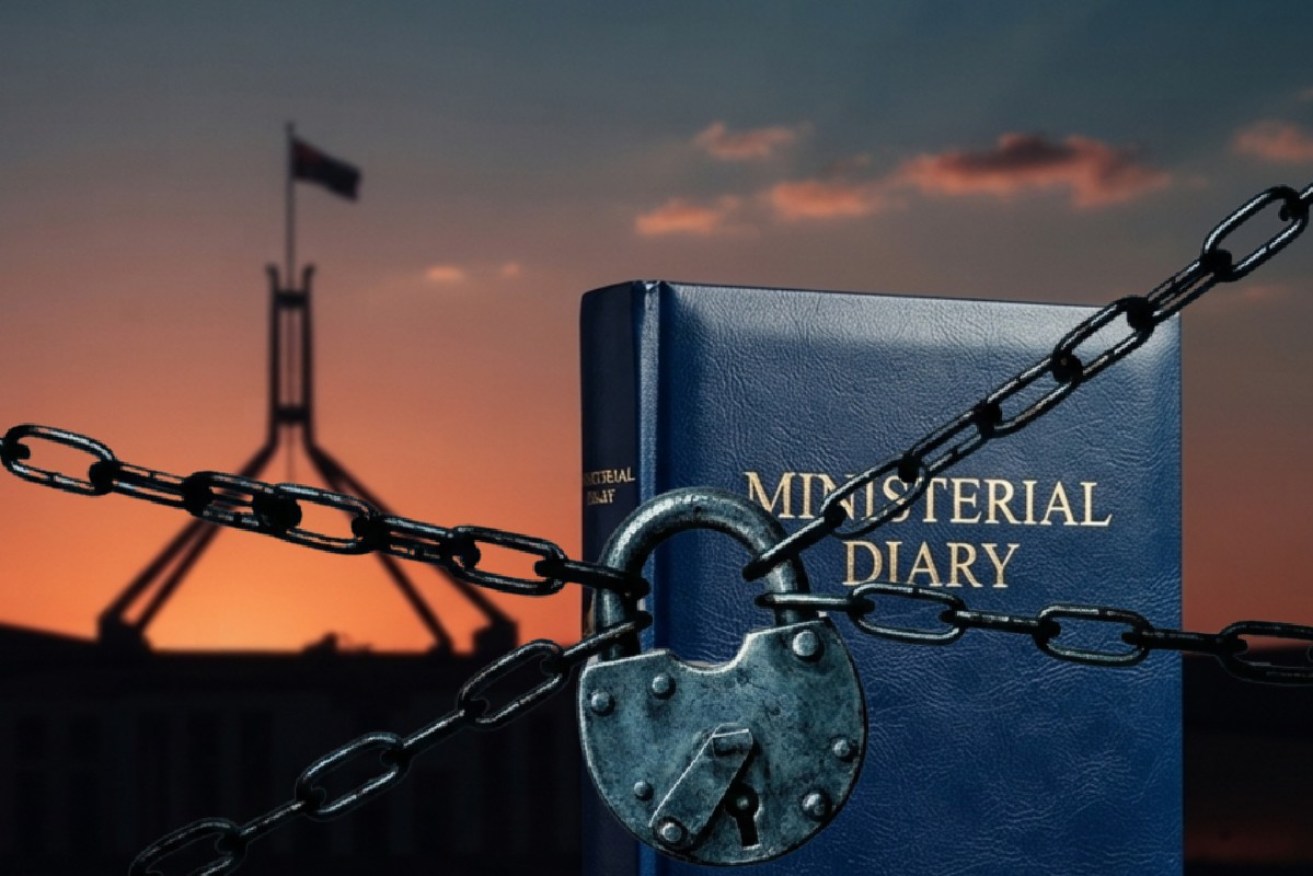
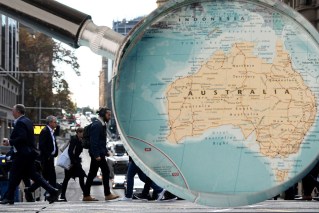
Opening ministerial diaries is an important step on the road to transparency, accountability and decision making. Photo: TND/Gemini
Forty-six – no, that’s not the answer to the Hitchhiker’s Guide to the Galaxy‘s ultimate question of life, the universe and everything (that’s 42).
No, 46 is how many lobbyists are working for Anthropic in Australia as the AI behemoth tries to realise its ambition to make Australia one of its top three sites for its massive global expansion of data centres.
We know Anthropic chief executive Dario Amodei met the Prime Minister in April.
And we know– because documents were later released under freedom of information – that officials have briefed the government that Anthropic’s investment would be “contingent on clarity of copyright settings”.
That’s a polite way of saying Anthropic wants our copyright laws loosened so it can train its models on Australian work.
What we don’t know is who those 46 lobbyists have met with – which ministers, which advisers, how often, what they’ve asked for and what they’ve promised the government.
The reason is simple – federal ministers aren’t required to publish their diaries.
Most Australian states and territories have been publishing ministerial diaries at least quarterly for a year. Other liberal democracies, including Britain and New Zealand, require ministers to publish their diaries.
But in Australia, the government whose decisions carry the most money and power does not.
The Albanese government has completely failed to live up to its commitment to greater transparency and accountability made before the 2022 election.
In opposition, Mark Dreyfus spent years using FOI to prise open George Brandis’s diary. But four years on, federal ministers’ diaries can be seen only through FOI releases, which are almost always contested, partial and heavily redacted.
One release of the Treasurer’s calendar covered just eight days across two years, much of it blacked out.
This isn’t only about integrity. It’s about the quality of decisions.
The government is drafting critical AI regulations that are likely to pose significant challenges to our energy system and environment.
We deserve to know that the government is listening to community concerns and experts, and not being unfairly influenced by billionaire tech bros with privileged access and the potential for generous donations.
We‘ve seen it before – with the failure of transparency from the Prime Minster and Transport Minister about their meetings with Qantas before they denied Qatar extra routes in 2023.
That decision protected Qantas from competition and increased the fares we pay.
And take gambling – the government sat on the Murphy report for more than 1000 days, then legislated weak, partial restrictions on gambling advertising this year.
We know we don’t like those laws. We don’t know how often the minister met with gambling companies, sporting codes and broadcasters.
Australians can’t judge whether government policy is based on evidence and independent advice, because they don’t know who senior government representatives are meeting.
A diary won’t tell us what was said in a meeting, but it will tell us who was heard and who wasn’t. That alone will change behaviour.
A minister who knows the public will see that she’s had 12 meetings with industry and none with the community is much more likely to pick up the phone to the other side.
That’s why I’ve just introduced a private member’s bill to require ministers to make their diaries public once a month, as I have done myself.
At a time when trust in government is low, transparency is not optional. Australians deserve to know who is influencing decisions that affect their lives.
Over the coming months I’ll also lodge FOI requests to determine who ministers and senior officials met in the lead-up to major decisions on AI regulation, gambling reform and the aviation industry.
Where the government refuses, I’ll work with Senate colleagues on orders for the production of documents.
For years, I have campaigned to clean up politics by closing the revolving door between government and industry, raising standards for lobbyists,
Due to the efforts of myself and my fellow independents, the government has tightened up the rules governing passes for the hundreds of lobbyists who roam the halls of parliament every sitting week with privileged access to decision-makers.
The public has no way of knowing who is in the room. That’s having real world consequences right now.
Failure of politicians in the US to respond to community concerns about data centres was one reason so many Republicans were tipped out of office earlier this month.
Here in Victoria, residents of West Footscray are rallying against expansion of a data centre that already operates as close as 15 metres from their homes.
When decisions are made behind closed doors, communities find out only when the bulldozers arrive. By then, consensus is impossible.
Opening ministerial diaries will cost almost nothing. It’s an important step on the road to transparency, accountability and decision making.
It will be welcomed by all who want government to act in the public interest, not just the interests of those wealthy and well-connected individuals with privileged and secret access to the halls of power.
Dr Monique Ryan is the independent federal member for Kooyong

Take a good, hard look at the country we are creating

'No-alition' must stop blocking gas for Australians