Most of us don’t have trusts, and those who do earn a lot more than the rest of us

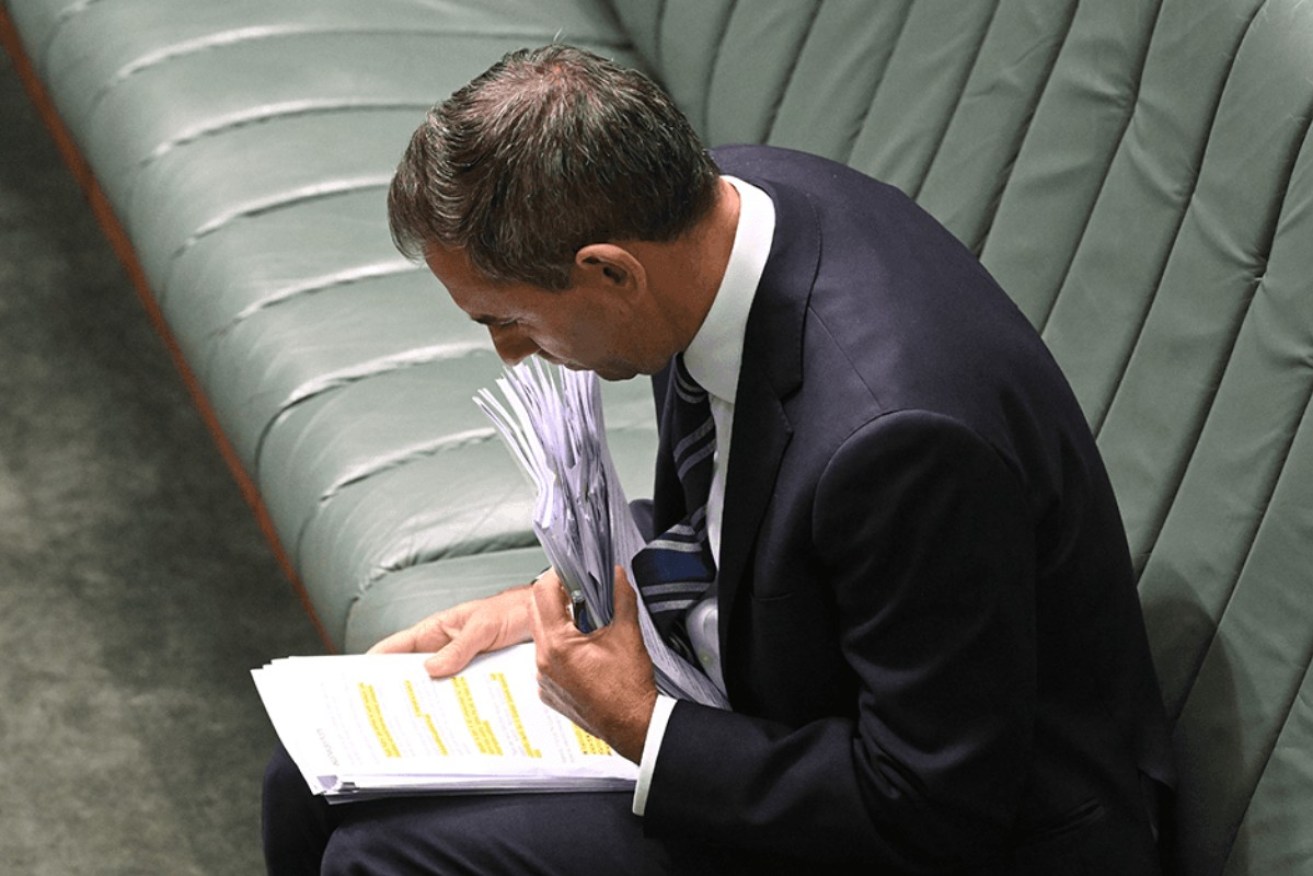
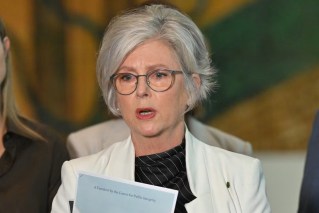
Discretionary trusts are the tool of those with high incomes to minimise tax. Photo: AAP
There are a lot of people getting very angry about the government’s policy to limit the ability of discretionary trusts to reduce tax.
You can understand why. Discretionary trusts are tax arrangements where you put (usually) members of a family in it, and all of the income earned by that family then gets divvied up in a way that minimises the overall level of tax paid.
This is especially good when you have one person who makes most of the money in the family.
The Australian Financial Review, for example, had an article titled “How to stop your kids and grandkids being taxed like CEOs”, which really is giving the game away.
One answer was:
Use a family trust
The big benefit of a family trust is that the trustee can choose how to allocate income distributions, says Viola Private Wealth’s (Peter) Nevill.
“The great flexibility of the family trust is its most attractive attribute,” Nevill says.
“So you’ve got the ability to distribute the earnings – whether that’s income, whether that’s realised capital gains – to whoever’s going to pay the least amount of tax on it.”
This is because our progressive tax system means someone who earns, say $400,000, pays more tax ($146,138) than four people who earn $100,000 ($20,788 x 4 = $83,152), and in a discretionary trust you can pretend that all four people in that trust earned $100,000 each.
The new legislation is designed to stop this so that “the net income of discretionary trusts is subject to a minimum tax rate of 30 per cent for income years commencing on or after July 1, 2028.”
OK, so how many of us have discretionary trusts?
Around 850,000 people.

The issue is that discretionary trusts have become more popular over time than fixed trusts – the type of trusts set up, for example, to ensure a family member with a disability has a secure income

And these discretionary trusts contain stonks of money.
In 2023-24, the total business income of discretionary trusts (not counting ones related to agriculture production, which are excluded from the changes) was $260.4 billion.
And who uses these trusts? Well, Treasury estimates that the richest 10 per cent account for around 63 per cent of the income.

Using the tax stats, you can see, for example, that people who earn more than $1 million a year in income make up around 0.17 per cent of all taxpayers; they take in 5.1 per cent of total taxable incomes, but get a whopping 19.2 per cent of all the income that comes from trusts.

And unless you earn more than $1 million a year, a majority of you don’t have a trust.

Discretionary trusts are the tool of those with high incomes to minimise paying tax, and you can understand why they are unhappy about that ending.
This article was originally published on The Point. Read the original article.

Ugly shift highlights Australia's biggest challenge
As anti‑govt violence grows, a response must too