Shackling women during childbirth is barbaric. It says much about Australia that we allow it

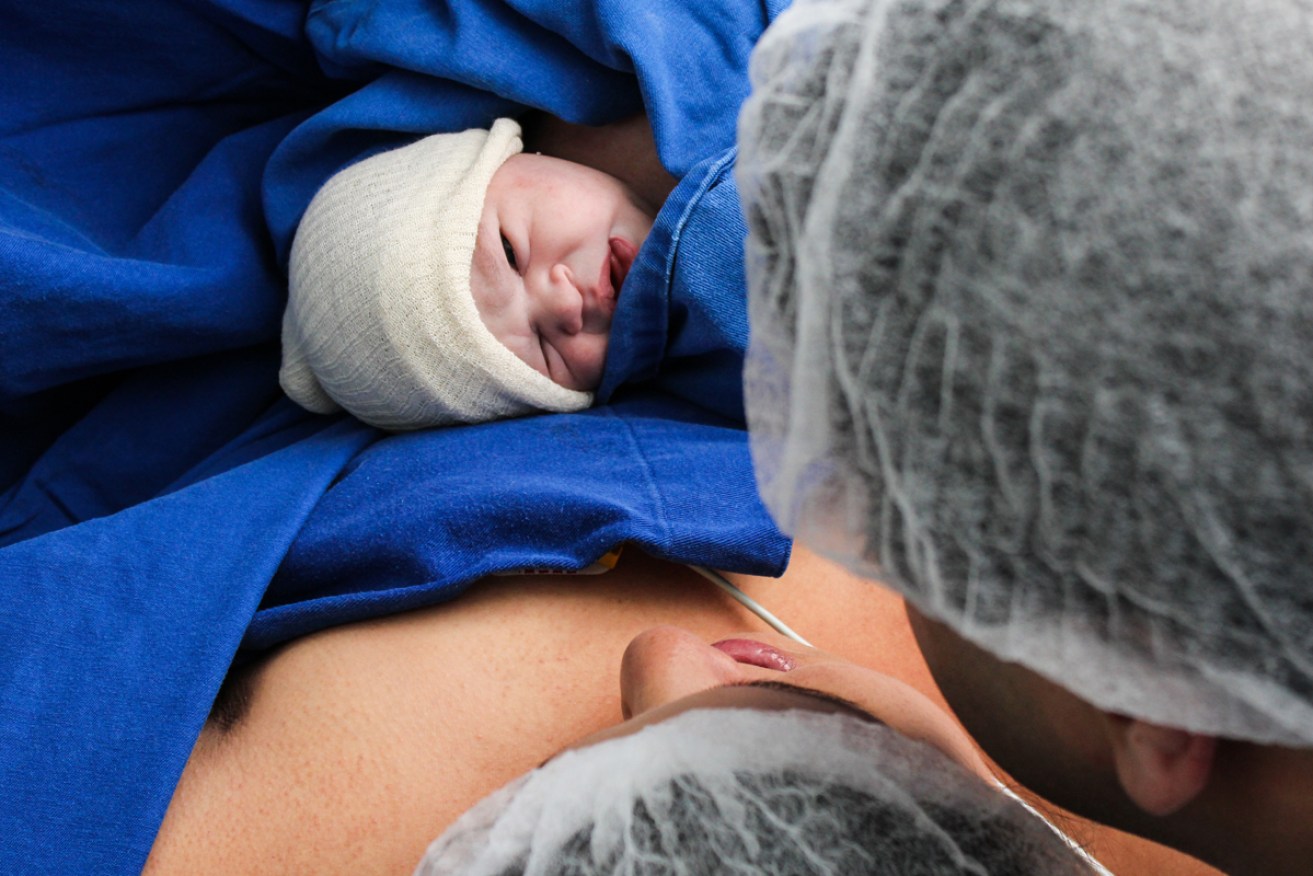
It is barbaric that some women in Australia are shackled when they give birth. Photo: Pixabay
I don’t really speak about my child’s birth too much.
Or the pregnancy.
Both were traumatic for a variety of reasons, all too personal and horribly common, and neither story is just my own. My child owns just as much of it, and I never want for their life to ever be burdened or tinted by the ordinary failings of the health care system that exasperated the struggles of my body.
But there was a moment, as I was wheeled into an operating room, sick, barely able to hold a thought, where I was asked to lay with my arms outstretched, when all I wanted was to hold my own hand, to reach up and feel my heart and remind myself I was still in my body, even as I lost control of it.
My arms were not shackled by anything other than instruction. But I was unable to wipe away the tears that spilled, or hold my collarbone, a self-soothing habit I picked up as a child who needed more hugs. I could only grip my partner with my own frightened eyes. I remember flexing my fingers in and out of a fist, just to remind myself they were there.
Doctors and nurses will tell you it’s for safety in a C-section. Those who can’t control their shaking will be strapped down. It’s another little bit of agency taken from you in a situation where you have become a vessel without agency.
But for most women, your arms are quickly released so you can hold the new life placed on your chest, immediately. So you can touch what doesn’t seem real, to ground yourself in your new reality. For most women, it is the most insignificant part in one of the most significant moments of their life. A postscript.
But for women all over the country, that postscript is one of the defining moments. They are not instructed, or lightly strapped for safety. They are shackled. By arms and legs, while medical professionals argue with guards to let their patients loose so they can do their jobs and bring mother and child safely through a body-wrenching transition.
As with most things in Australia, the ability to shackle women during child birth is a practice that impacts more First Nations women than others, and most women in parliament would never have spoken to a woman who had given birth while shackled to a bed. And yet, the Australian parliament could not even manage to support minimum guidelines.
Independent senator Lidia Thorpe has been raising awareness about this issue, and the strip-searching of children, another practice allowed in Australia, for months. An inquiry into her private members’ bill recommended it not be passed because it was an issue for the states and territories. That it was not the “right” legislation to address the issues. Both Labor and the Coalition voted against the bills.
What good is a federal parliament, which is meant to set the tone for the nation, if it can’t even set minimum standards that those states and territories have to follow, when it comes to shackling women giving birth?
How can you say you stand for women, if you don’t stand for all women? If you don’t allow women to have some tiny bit of control, even if it’s just the position their legs are in, as they bring new life into the world?
If it is not the right bill, then write one that is. Don’t leave it to underresourced and understaffed independent senators, who are already stretched dealing with the issues the major parties don’t see votes in, to address.
Fix it, because it is the right thing to do. Because it is just one small little way that Australia can stop breaching human rights. Because it is one change that gives back dignity to people who have already had so much more taken from them.
Change it, because that’s what governments need to do – address injustice and fix it. Not because it’s going to win an electorate, or even a political debate. But because it shows that equal human dignity matters.
It is not a radical position that children should not be subjected to strip searches and women should not be shackled during childbirth and then prevented from holding their children because of those shackles. It certainly isn’t a radical proposition that if we are going to be a country that does that, we at the very, very, least have standards about when and how such tortures and barbaric practices be applied.
Thorpe shared Suzzane’s re-telling of her sister Heather Calgaret, a proud Yamatji, Noongar, Wongi and Pitjantjatjara woman, who gave birth to a child while on remand in 2019. She was shackled to the hospital bed during the birth. Suzzane said her sister, who died in custody in 2021, was forever changed by the horrific experience:
“Heather was my sister. She was a mother and a deeply loved member of our family. When in custody and giving birth, she was treated with cruelty that no human being should ever have to endure. She was shackled and restrained while bringing life into the world. My sister was not just restrained while giving birth; she was also shackled when holding my niece for the first time. She only got to hold her with one arm.”
Heather was allowed only two hours with her baby and was then sent back to prison, her body heavy with hormones, milk, trauma and loss.
LNP senator Paul Scarr, who has, perhaps surprisingly to some who follow the LNP as a collective and not every individual, been one of the biggest champions of pushing for actual change when it comes to women’s safety – and actual safety, not culture wars – was visibly moved after the vote. He was absent, and so not counted as a no, and said he had only just learned that either issue was happening in Australia:
“The first point I’d make is that I hope that this vote isn’t an end to this matter. We’ve got to do better than this, and we’ve got to look at ways in which this issue can be addressed, whether it’s through raising it at the highest level, in national cabinet, or whether it’s through meetings with the federal and the state attorneys-general. I’m not sure that some of the state attorneys-general would even be aware of this issue.”
And isn’t that the problem in a nutshell? We all have different lives, different stories, different experiences. Different things we don’t talk about.
But Australians should be aware of the breaches of human rights we set and forget. Australia is a signatory to the Bangkok Rules, a UN convention Australia voted to accept about 10 years ago.
It’s a fairly simple rule: “Instruments of restraint shall never be used on women during labour, during birth and immediately after birth.”
And we do. And don’t even know it. That’s not good enough anymore. Especially for those with the power to change it.
Amy Remeikis is a contributing editor for The New Daily and chief political analyst for The Australia Institute