Why Prince Harry lost his Daily Mail phone hacking case

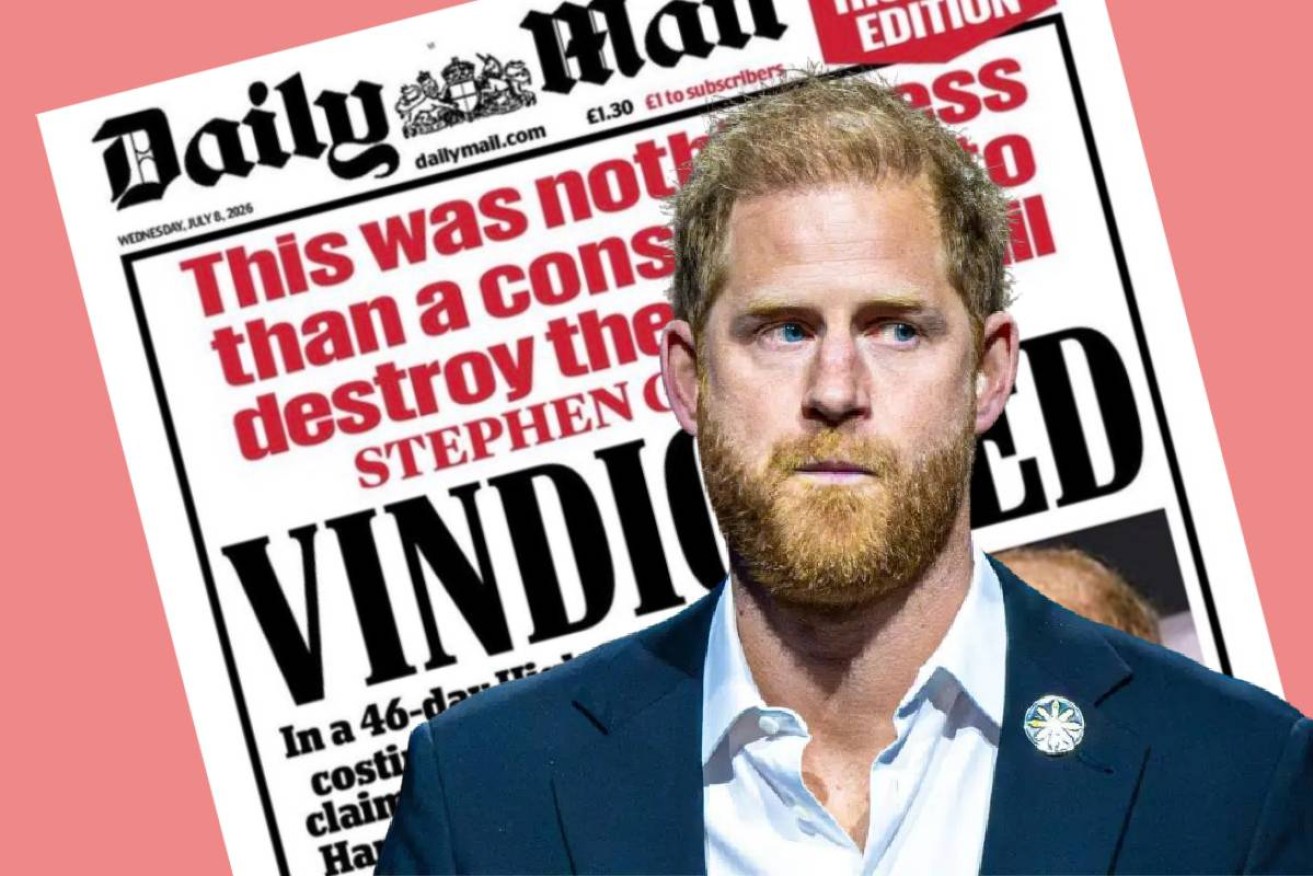
Could this be the end of the phone=-hacking saga? Photo: TND/AAP
Britain’s High Court has ruled in favour of Daily Mail publisher Associated Newspapers in the lawsuit brought by Prince Harry and other public figures.
This is likely to end the Duke of Sussex’s years-long campaign to prove allegations of unlawful press activity regarding his private life.
Judge Matthew Nicklin ruled that the claimants had not proved that information had been gained unlawfully, and every one of the 97 allegations of unlawful activity was dismissed.
Nicklin noted “in assessing Harry’s evidence overall, it was apparent that he wished the court to understand the personal impact of the matters in issue. At times, this led him beyond giving factual evidence into advancing arguments on the issues.”
The ruling is a catastrophic result for all plaintiffs involved – including Elton John and husband David Furnish, actor Liz Hurley and Baroness Doreen Lawrence. It could cost them £50 million ($97 million) as Associated Newspapers will probably try to recover its legal costs.
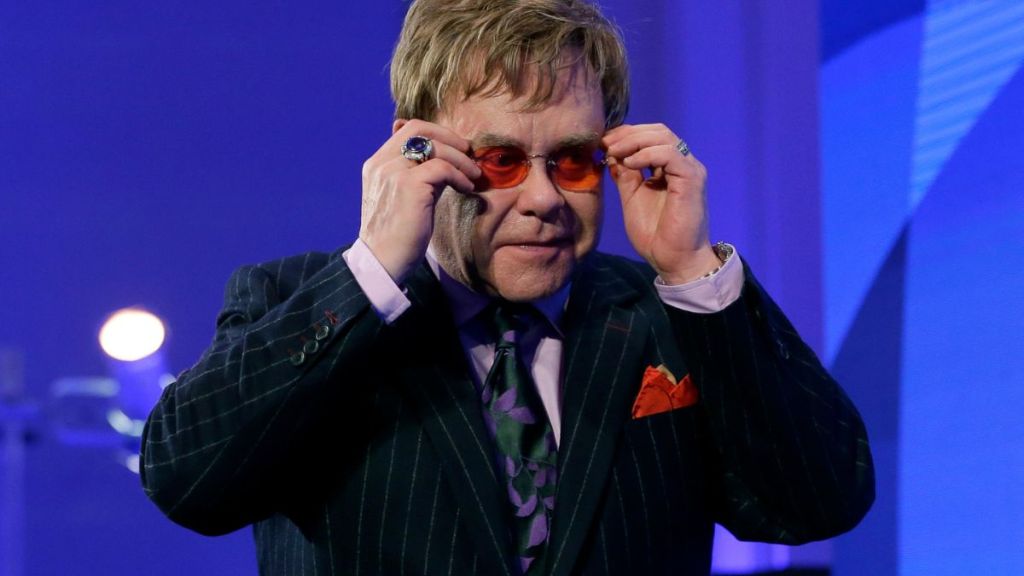
Elton John was one of the high-profile plaintiffs in the case. Photo: AAP
The lawsuit, filed in 2022, claimed that the Mail was involved in unlawful information gathering, including voicemail interception, landline tapping and “blagging” – obtaining information by deception.
Harry has had past success taking on the press. In December 2023, he won his civil case against Mirror Group Newspapers.
In that case the judge ruled that on the balance of probabilities, a sample of 15 out of 33 articles examined were written as a result of phone-hacking and other illegal measures, and found that there was evidence of “widespread and habitual” use of phone-hacking at the Mirror newspapers.
The duke was awarded damages of £140,600 ($272,000), and said in a subsequent statement: “Today is a great day for truth, as well as accountability. This case is not just about hacking – it is about a systemic practice of unlawful and appalling behaviour.”
In January 2025, Harry accepted an apology from the Sun newspaper, and a financial settlement believed to be in the region of £10 million ($19 million) for “serious intrusion” into his private life.
This was, said Harry’s QC David Sherborne, a vindication for “the hundreds of other claimants who were strong-armed into settling, without being able to get to the truth of what was done to them”.
This latest case has been notable for several reasons, not least Harry’s emotional testimony to the court. He has made clear his distaste for the press over many years.
In 2021, he explicitly stated that the media had contributed to the death of his mother, Princess Diana, saying the “culture of exploitation and unethical practices ultimately took her life”.
In his testimony against the Daily Mail, the duke stated that the paper’s coverage of his life had been “terrifying” and left him “really worried something bad was going to happen”. He said his life had been made “an absolute misery”.
One of the other plaintiffs in the case was Baroness Doreen Lawrence, the mother of murdered teenager Stephen Lawrence.
She told the hearing in January this year that the Mail had tapped her landline phone. It also, she said, hacked into her voicemails, monitored her bank account, phone bills and electronically surveilled her. She also claimed the Mail had paid police officers for information.
Questions of credibility
Associated Newspapers was vigorous in its defence. The publisher said that journalists who worked for both the Mail on Sunday and the Daily Mail had a convincing rationale and record of sourcing their materials.
They had legitimately used press officers, spokespeople, freelance journalists and previously reported information.
They accused some representatives of the Duke of Sussex’s legal team of dishonesty, fraud and misconduct, and of making cash payments to potential witnesses.
One key witness, private investigator Gavin Burrows, apparently said in a 2021 witness statement that he had conducted illegal activity for Associated targeting “possibly thousands” of people.
But he later said in court that he had never signed such a witness statement: “You can tell that that is not even a proper signature. I can tell that it was faked and traced.”
In his judgment, Nicklin said Burrows’ credibility had been “comprehensively undermined”.
Additionally, Lawrence told the BBC in 2025 that she had previously trusted the Daily Mail and had learned about the alleged malpractice when she received unexpected contact from Harry.
In the end, the court was convinced by the defence. A spokesperson for Associated called the judgment “an overwhelming victory for the Daily Mail and its journalists, and for a free press generally”.
Is this the end of the phone-hacking saga?
Hacked off, the campaign group established in 2011 to fight “for a free and accountable press”, has suggested an appeal against this decision is unlikely, saying: “The courts are not the appropriate vehicle for investigating the allegations of wrongdoing against the Mail in their fulness”.
While Harry called the ruling a “whitewash”, we are extremely unlikely to see him continue his fight. And other would-be litigants will most likely be deterred by this hugely costly defeat.
This article is republished from The Conversation under a Creative Commons licence. Read the original article
Want to see more stories from The New Daily in your Google search results?
- Click here to set The New Daily as a preferred source.
- Tick the box next to "The New Daily". That's it.

Poorer, unhappier: Why we need the 'politics of joy'
WA byelection is a national test for One Nation
Are the Liberals ageing out of Australian politics?