When justice looks like this, the real cost is prohibitive

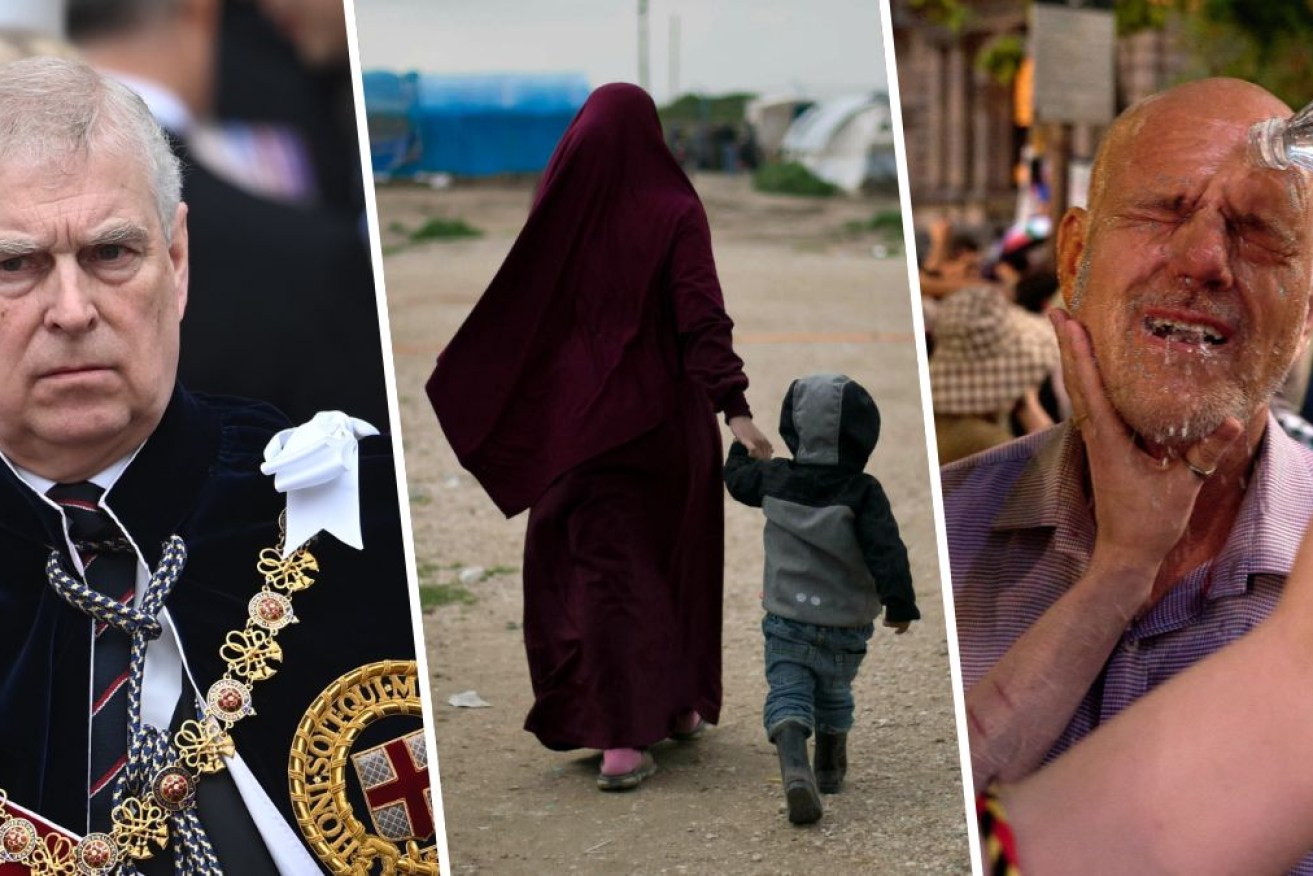
Photo: TND
The reaction to the arrest of Andrew Mountbatten-Windsor was as predictable as it was depressing.
Anyone who knows where power sits knew he would spend no more than a few hours in custody. Being held on remand is usually only for those who can’t afford “justice”.
Plea deals are designed for two reasons – to give the rich an escape for accountability and to deny the not-rich their day in court. We never ask why there is such a delay in jury trials, why so many people are sitting in our jails without conviction.
Obviously nuance is needed, and courts are supposed to weigh up individual factors such as ongoing risk to victims, particularly in cases of domestic and family violence. When they get that wrong, there can be, and are, devastating consequences.
It’s not a set and forget issue and it’s also one where we ignore the evidence of early intervention and financial assistance in favour of the political expediency of being “tough on crime”.
But we pick and choose who we are tough on, don’t we?
The arrest warrant for Mountbatten-Windsor was not about the allegations he had sex with exploited girls who were victims of trafficking. It was for the allegations he trafficked secret information, the diplomatic version of insider trading.
We judge poor people by the company they keep – socialise with or related to a bikie or drug dealer? You’re officially “an associate” to police. So why should anyone be surprised that the man whose former wife and close companion was caught on tape in 2010 selling access to him to a journalist posing as a fake sheikh for £500,000, may have also been selling access and information himself?
Sarah Ferguson admitted at the time it was Mountbatten-Windsor who had suggested what she should charge for the access. On the tabloid reporter’s tape, she says: “That opens up everything you would ever wish for. I can open any door you want, and I will for you. Look after me and he’ll look after you … you’ll get it back tenfold.”
Now, 16 years later, we have some alleged idea of what that tenfold meant.
But we knew. It’s only now that the evidence is insurmountable and Mountbatten-Windsor has been cut loose from The Firm that he is vulnerable enough for authorities to attempt some sort of justice. It wasn’t the allegations and proof offered by traumatised and courageous women, it was business.
One of the fundamental underpinnings of any functional democracy is equality under the law; the idea that rich or poor, powerful or not, you will receive the same justice. Watching the rich and powerful evade that justice, or be held to different standards, or receive special treatment from prosecutors is one of the first ways faith in democracy and institutions is undercut.
The financial institutions that were too big to fail, despite creating the Global Financial Crisis, get bailed out by taxpayers, who still have to pay debts with unfair interest payments. Loan forgiveness applies to rich corporations, but no such forgiveness exists for those just trying to survive.
To deflect from that, we are further divided by politicians who have the power to address the system’s inequalities but choose to uphold it, because they are invested in it.
And so we create goodies and baddies among the people. Police brutality is justified against “rioting” protesters. It doesn’t matter that there is no riot – just a response to police tactics, such as kettling, that are designed to agitate protesters and therefore give a hint of justification or legitimacy to a pre-planned response. Say it often enough, and it’s what people will believe. Because the police never brutalise innocent people, right?
Consular assistance and passports are issued to Australian citizens as a right under the law, not through the whims of a government deciding who is worthy or not. But suddenly equality under the law from the former party of law and order is politics.
It matters not what you have or may have done – if you are an Australian citizen, you are entitled to a passport. Brenton Tarrant would have been entitled to consular assistance as an Australian citizen, even though he livestreamed a massacre. That assistance is not political, it is a right.
It’s not an intervention – most often it is a welfare check and a list of lawyers and explanation of the legal system of the country where you’ve been charged. That assistance is deployed to the 1000 or so Australians who are arrested overseas every year, and the 320 or so, on average, who are imprisoned.
We may not like it, but that is how equality under the law is supposed to work. And picking and choosing who gets that assistance based on the politics of the day or the exploitation of an emotional issue has become a very dangerous path.
The Australian women and children in Syria are entitled to passports. That is not a political decision, it’s a legal one. One that has been upheld by the High Court. They are entitled to a level of consular assistance. Again, it’s not a political issue, it’s a legal one.
And if they can find their way out of Syria and onto a plane to Australia, they are entitled to entry as citizens. That is the law. It’s not “government intervention” to apply the law equally.
The government could intervene here. It has intervened on behalf of Australians considered political prisoners, or for whom public opinion has turned to sympathy, and made minister to minister appeals and assisted with the repatriation of people to Australia. That is government assistance. Merely upholding the law by issuing a passport and talking to foreign affairs officials is the bare minimum of rights.
The Coalition knows this. Women and children accused of being “ISIS brides” (an emotive term in itself designed to divide and end empathy) returned to Australia under the Morrison government, as was their right. There were mumblings then, but not a full-scale media and political assault because no one made it a political issue. Those women and their children have been monitored by security agencies, just as anyone who returns from a political hot zone is monitored and investigated.
If these 11 women and 23 children return to the country they are entitled by law to return to, they will also be monitored and if any Australian or international laws have been broken, will face the Australian justice system. That is a fundamental right, that correctly, does not rely on your feelings. Because if it did, then whatever faith there remains that justice will apply equally will rightly crumble.
We already struggle in maintaining faith in our systems. Our rights are never guaranteed.
Any construction worker can tell you that ongoing maintenance is one of the most important elements of anything you build. If we don’t maintain our institutions, if we don’t fight to ensure rights are applied equally, not just to those you agree with, the very foundation of our democracy will crumble.
It pays to keep people divided over the rights a few might deserve, for what they might have done. It keeps attention away from attention on those who already know how to exploit the system.
But the short-term political gain here has a much higher price. You shouldn’t want politicians deciding who the law applies to. You should want justice. Those are two very different things.
Amy Remeikis is a contributing editor for The New Daily and chief political analyst for The Australia Institute