As the far right gains ground, community independents emerge as an alternative

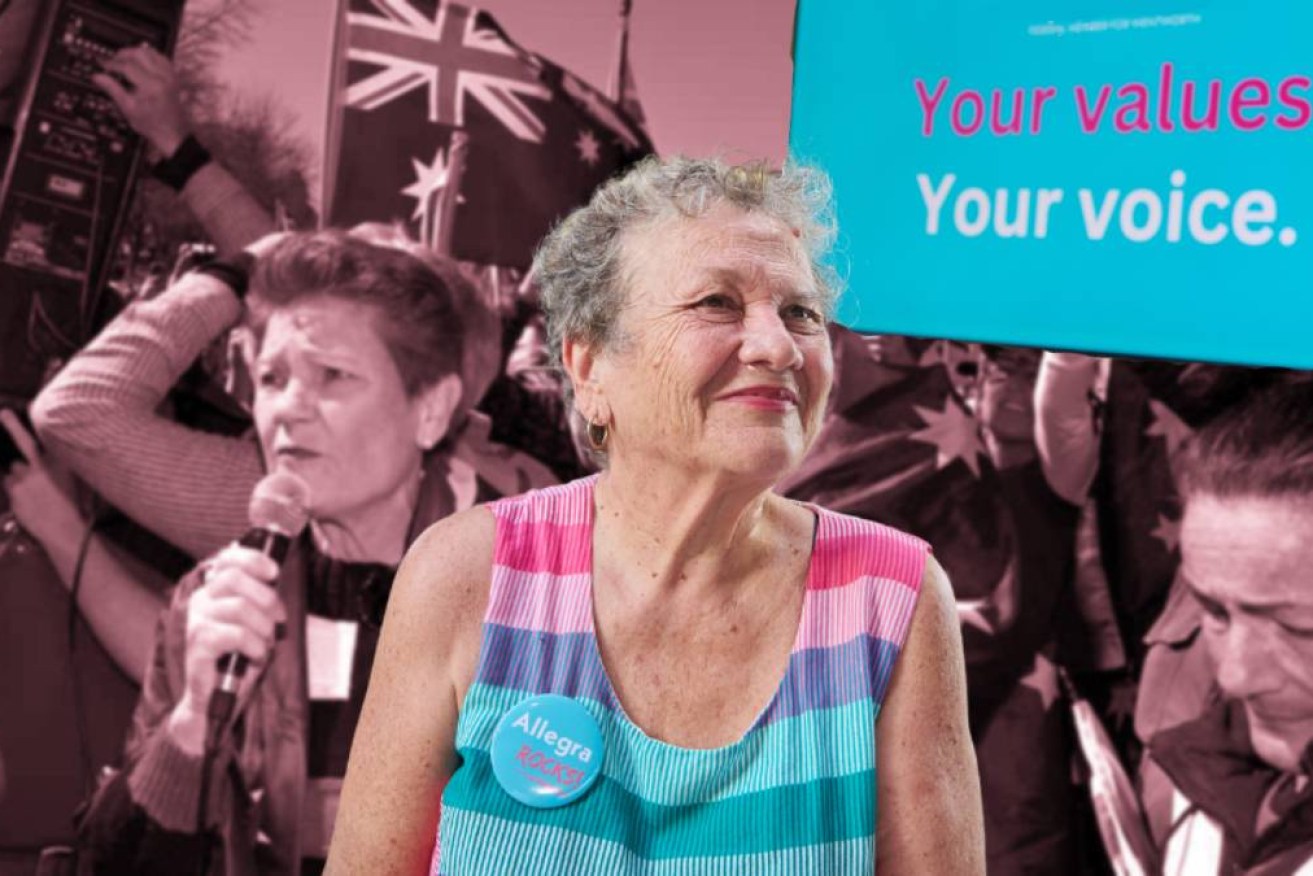
The answer to voter disillusionment isn’t more outrage, it’s rebuilding belief. Photo: TND/AAP
I never set out to go into politics. But after years of watching politicians make decisions that favoured parties, corporate donors and lobbyists over evidence and good policy, I knew something had to change.
When I ran as the community independent candidate for Calare – in 2022 and again in 2025 – I met so many people who had lost faith in politics.
They’re working harder yet falling behind, struggling with rising costs, housing out of reach for their kids, hospitals and local services stretched, and communities are still recovering from floods, droughts and fires that seem to come sooner and with more intensity every time.
In regional Australia, that frustration is everywhere – and it’s justified.
As trust in government erodes, and the Coalition implodes, a dangerous vacuum is opening – one the far right is stepping into.
One Nation has more than doubled its support since the last election, from 6.4 per cent to 15 per cent.
These voters are not a uniform block. In 2022 One Nation preferences flowed to community independents 58 per cent in Wannon, and 54 per cent in Wentworth. In 2025, about 70 per cent in Fremantle and Franklin.
What is common though is their rejection of the major parties and their anger.
One Nation supporters aren’t wrong to be angry. Life has become harder for many working families. Wages have stagnated, housing has become unaffordable, and the government is out of touch.
The answer to that disillusion isn’t more outrage, it’s rebuilding belief. It’s reconnecting people with each other and showing that democracy can still work for them.
That’s what the community independents movement is doing.
This movement isn’t built in party backrooms. It’s built around kitchen tables and in community halls – where people talk and, just as importantly, listen.
These conversations begin to repair what politics has broken – trust, respect and connection.
And it has been a pathway to success.
At the 2025 election, more than 1.1 million Australians voted for independents – a 45 per cent increase from 2022.
In the same timeframe, Climate 200 has tripled its donors to 33,000. The movement is growing in both cities and regions as people realise representation can look different and work better.
The strength of the community independents movement lies in rejecting false choices.
It doesn’t ask people to pick between jobs and the environment, or between progress and stability. It starts with practical questions: What do we value? What kind of future do we want for our kids?
In Calare and across regional NSW, I’ve seen how connected communities thrive.
When people have a say in decisions that affect them – from renewable energy projects to local housing – they take ownership. Clean energy done with communities, not to them, lowers power bills, creates jobs and builds resilience and intergenerational opportunities.
It’s about communities coming together, not the Nationals’ cynical ploy of setting communities against each other, neighbour against neighbour, not in their best interests, but simply to keep their seats in Canberra.
At the past two elections, voters demonstrated clear support for effective climate action.
Australians know that cutting emissions and investing in clean energy will deliver a return – jobs, cheaper power and new industries – unlike the “dead money” we pour into cleaning up after worsening fires, floods and droughts and into propping up declining fossil fuel industries, as favoured by the Nationals.
More and more Australians are looking for alternatives to the party system. They want representatives who put people and evidence before ideology.
The 2025 election marked a turning point – major party support is at historically low levels, independents and minor parties collectively attracted more votes than the LNP, with 10 independents elected and 10 more coming incredibly close.
By grounding political representation in shared priorities rather than party ideology, the community independents movement is showing that politics can once again be cooperative — a space for problem-solving, not point-scoring.
As the far right feeds on anger and alienation, the independents movement is building something far more powerful: Connection, trust and shared purpose.
It’s not about left or right, it’s about restoring fairness, integrity and participation.
We are at a fork in the road for Australian democracy. One path leads to division, a lower standard of living, fewer, poorer opportunities and scapegoating; the other to participation, prosperity and shared progress. The choice is ours to make.
Kate Hook is co-convenor of Climate 200 and ran as a community independent candidate for the NSW seat of Calare in the 2022 and 2025 federal elections