Longest-ever COP climate summit ends without agreement

Source: Channel 4
Climate campaigner and former US vice president Al Gore says the “failure of COP31 is an outrage”.
UN climate talks collapsed as the European Union and others rejected a final draft deal put forward by COP31 presidents Turkey and Australia, saying it was too weak to advance the fight against global warming.
Gore wrote on X: “It is outrageous that a handful of petrostates have veto power over any mention of fossil fuels.”
He says this outcome proves that the world is willing to solve the climate crisis as leaders “no longer want to settle for the lowest common denominator” and instead want to see real action.
The failed talks reflect world governments’ struggle this year to muster ambitious action to address the worsening consequences of climate change, as wars, economic pressures and other crises compete for their attention.
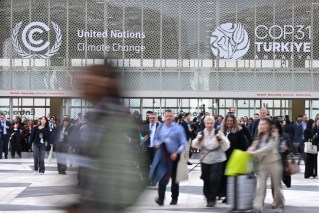
After more than two weeks of negotiations that spilled two days into overtime – making it the longest COP on record – Turkey’s conference president Murat Kurum said at the closing plenary on Sunday that he could see there was no agreement and confirmed he would not advance any new text.
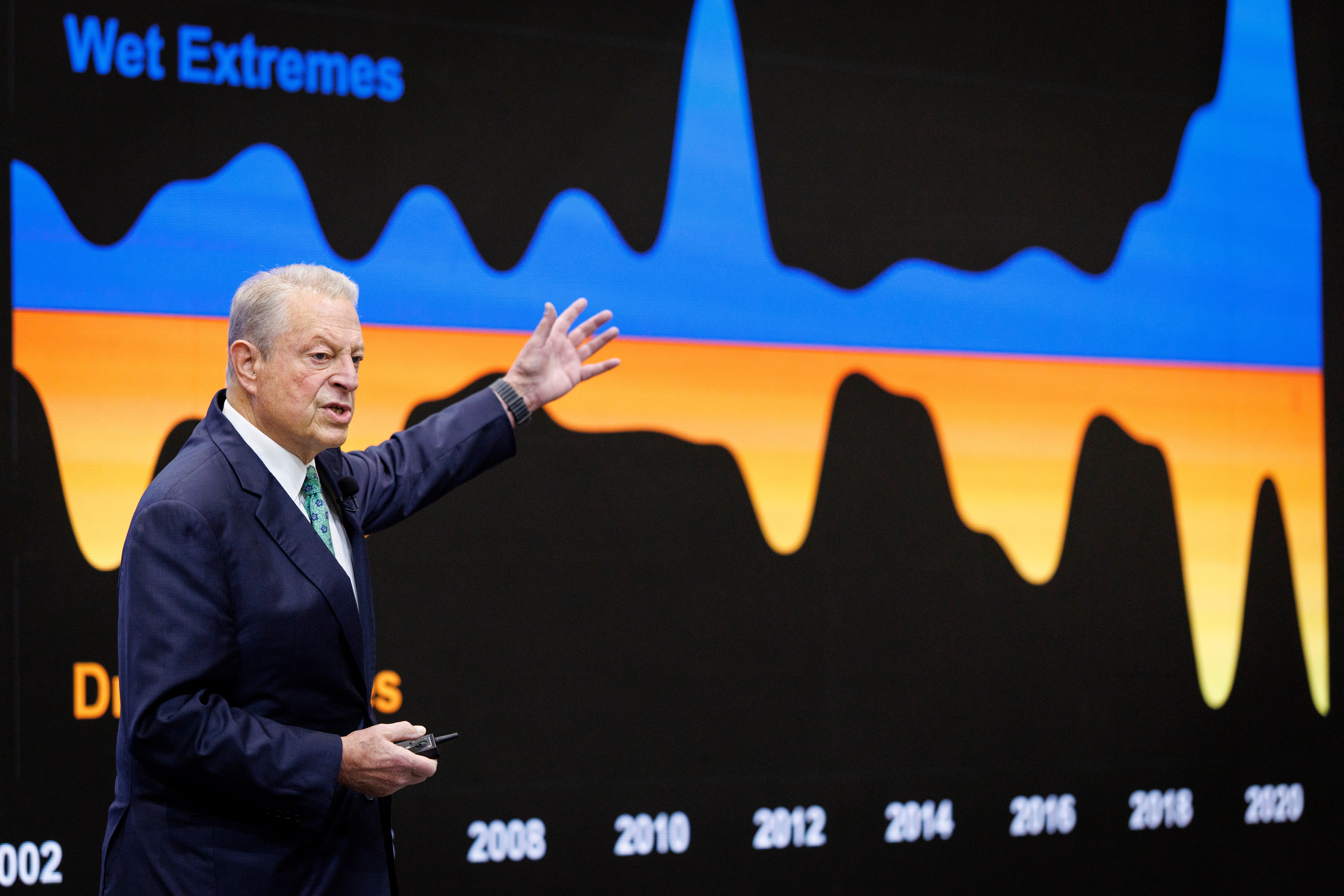
Former US Vice President Al Gore delivers a presentation on the fifth day of the summit in Antalya, Turkey. Photo: EPA
“There is nothing to do, we did all that we could,” he said.
“There will be no new text from now on.”
He later left the stage in the midst of speeches being delivered by country representatives.
Australia’s COP31 President of Negotiations, Chris Bowen, called the outcome “very disappointing” and said disagreements over fuels and climate finance were the dealbreakers.
“An obvious issue is the transition away from fossil fuels, where some parties insisted that must be mentioned, other parties insisted that if it was mentioned they would veto,” Bowen said.
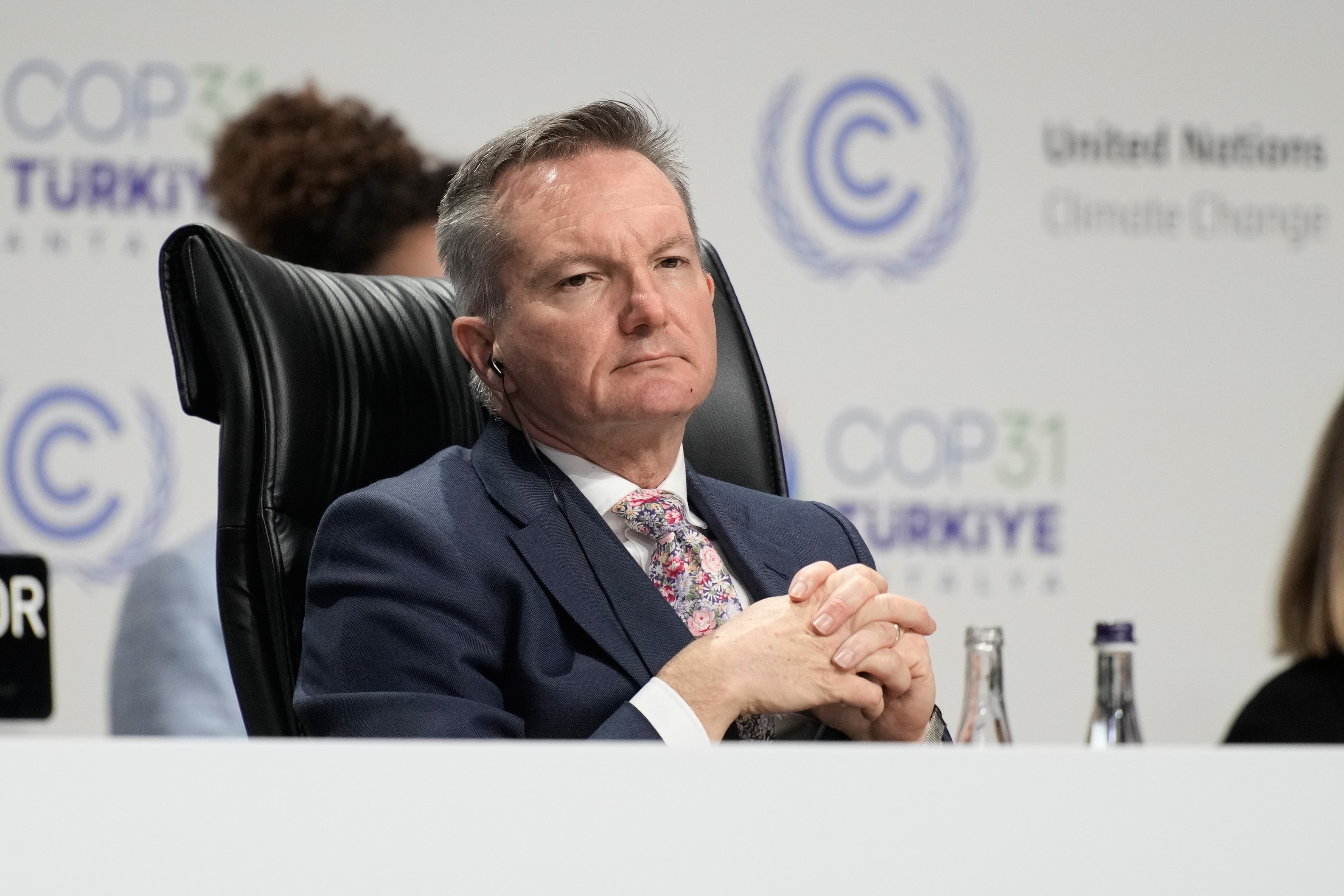
Climate Change and Energy Minister and Cop31 president Chris Bowen says the transition away from fossil fuels was ‘an obvious issue’. Photo: AP
The European Union and others rejected a final draft deal after it omitted the words “fossil fuels” – the chief cause of global warming – or a specific call for a move away from climate-polluting coal, oil and gas.
The last time UN climate talks failed to get a deal adopted by all was in Copenhagen in 2009.
Ireland’s environment minister Darragh O’Brien said the European Union could not support the proposed deal.
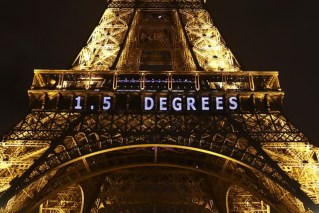
“We will not endorse a decision that does not respond to the science, that disregards the implementation gap, and that actually risks deepening the chasm between global commitments and the action required to correct the overshoot and bring 1.5 degrees back to within reach,” he said.
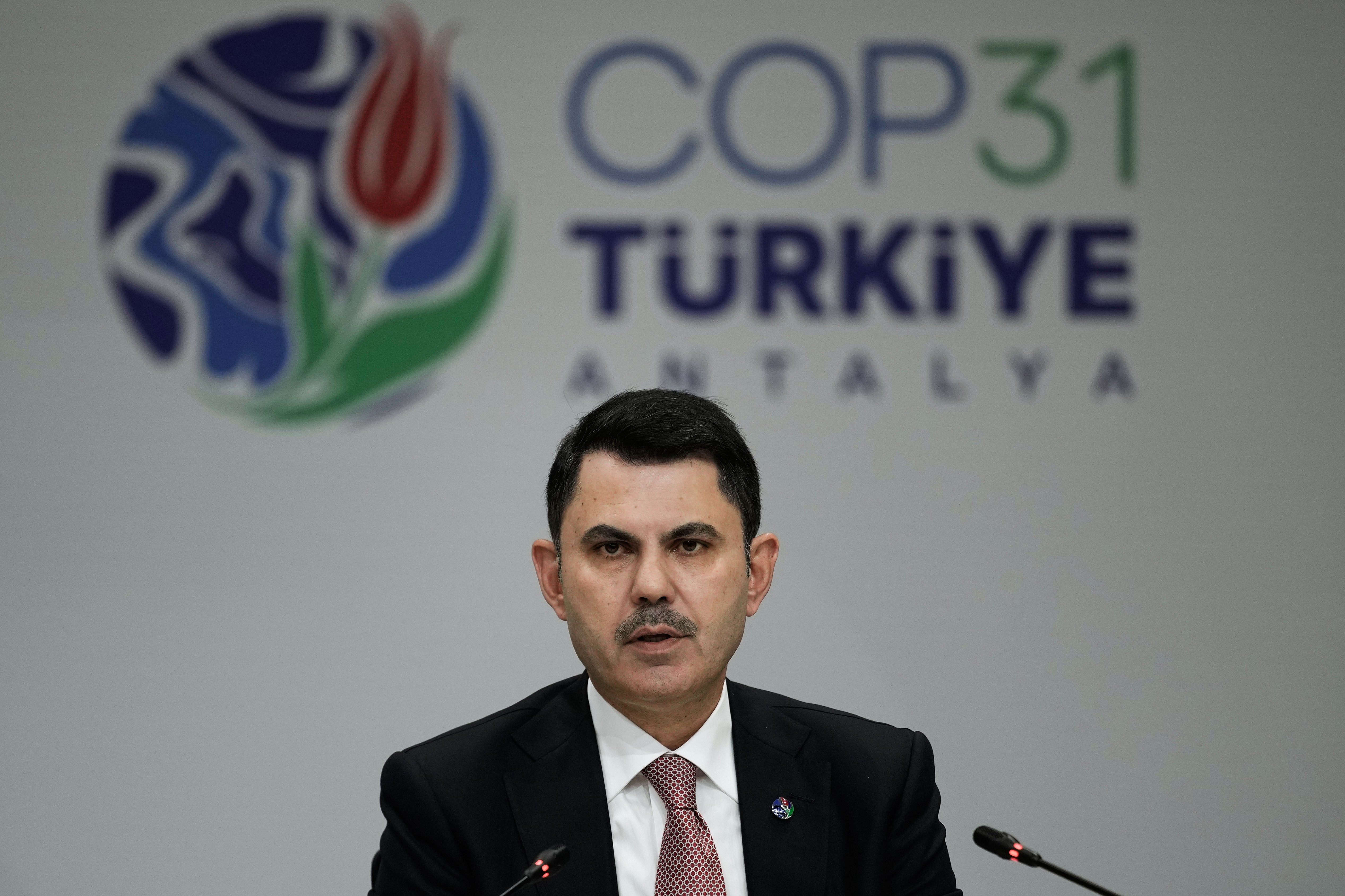
COP31 President Murat Kurum had been confident a deal would be struck. Photo: AP
Panama also said it could not support the current text.
The collapse of the talks comes in a year that has seen the most destructive impacts of global warming such as extreme heat in Europe and glacial floods in Nepal overshadowed by the demands of wars and public outcry over soaring living costs.
The last major breakdown in UN climate talks came in Copenhagen in 2009, when countries failed to adopt the Copenhagen Accord by consensus in a setback for multilateral climate diplomacy.
Australia, which was leading the negotiations, and host nation Turkey had issued multiple drafts of a text that sought to find compromise between the needs of nations most vulnerable to climate change and those whose economies depend on either the production or consumption of fossil fuels.
The draft text acknowledged for the first time that global warming is on course to exceed the 1.5C threshold countries had sought to preserve, while calling for faster development of carbon-removal technologies to eventually reverse the overshoot.
But the bid to win consensus backing proved unsuccessful, with critics of the text calling it unambitious.
Observers of the closed-door talks said Saudi Arabia and other big oil-producing nations pushed hard in negotiations to keep fossil fuels out of the text and carbon removal in.
“It seems like we are negotiating with the Saudis,” Tuvalu’s Climate Minister Maina Talia said.
A representative for the Saudi delegation told the summit he was surprised at the resistance to technology.
“If indeed the climate challenge, as some have mentioned today, is so important, it makes no sense that solutions, concrete solutions… will be taken off the table,” he said.
The COP process is the main vehicle through which countries co-ordinate their efforts to curb global warming.
Its annual summit is seen as an important opportunity to signal that nations are willing to work together to find solutions and help finance the myriad problems caused by rising temperatures.
While a major blow to efforts to ratchet up international action, the failure to agree a political declaration in Antalya does not wipe out the obligations agreed by previous summits or erase the technical and legal frameworks governing multilateral action against climate change.
-with AAP
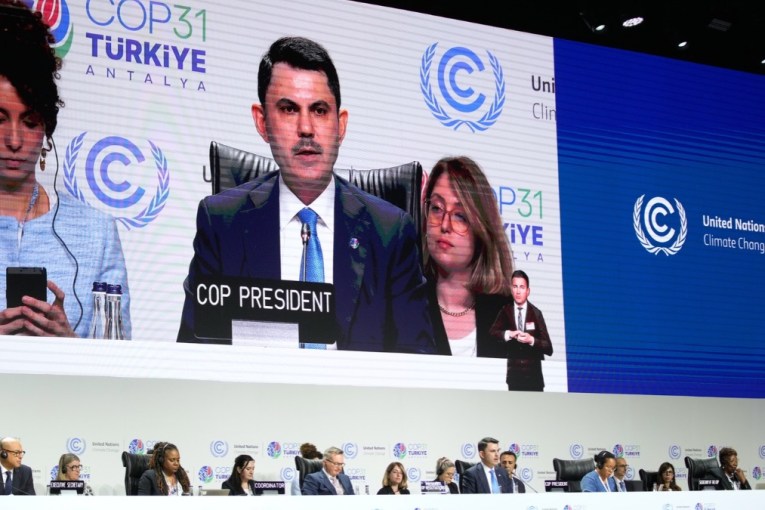
COP31 talks likely to end in stalemate