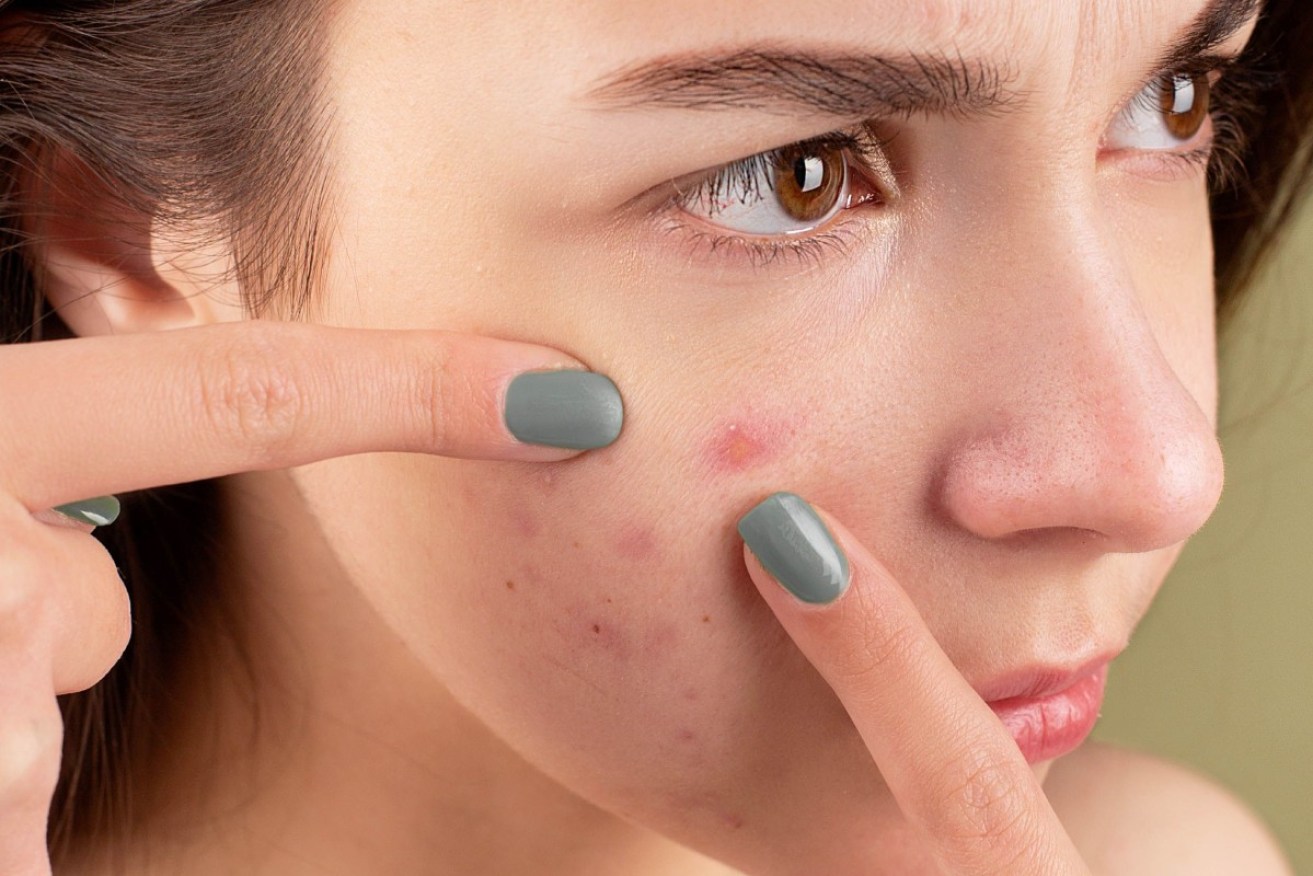
Some people relax by watching someone squeeze pus from a stranger’s face. I’m one of them.
I have favourite accounts, strong opinions about technique and very little patience for a video that ends before the pore has been properly cleared.
I tend to watch with the sound off and the speed doubled, slowing things down if a particularly promising spot needs closer attention. My hairdresser discovered this interest when she caught sight of my phone. She was considerably less enthusiastic.
But why does something that makes one person recoil keep another watching? And are people like me less easily disgusted in the first place?
In the latest episode of the Strange Health podcast about unusual health and wellness trends, I explore pimple popping with my co-host Dan Baumgardt, a practising GP and lecturer at the University of Bristol.
Albert Wabnegger is a scientist at the University of Graz in Austria who specialises in the psychology of disgust. He doesn’t particularly enjoy pimple-popping videos himself, but has spent rather more time studying them than most non-fans would volunteer for.
The pleasure of a popped pimple
Wabnegger and his colleagues developed a questionnaire to measure how much people enjoy popping their own spots or watching someone else’s being squeezed.
For a study involving 80 women, the researchers showed enthusiasts and non-enthusiasts pimple-popping videos inside a brain scanner. For comparison, they showed water spraying from fountains and steam cleaners removing dirt from cars and stone floors.
Fans of pimple-popping videos reported more pleasure and less disgust while watching, although they still felt some disgust.
On a separate questionnaire, the two groups gave similar ratings when asked how disgusting they found situations that might expose them to germs.
Fans did report fewer difficulties managing feelings of disgust. The scans also revealed differences in activity in a brain region involved in motivation and reward.
Wabnegger explained why that needs careful interpretation, saying brain activity cannot tell researchers precisely what somebody feels, and these findings don’t demonstrate a dopamine rush.
Enjoying disgust from a safe distance
One possible explanation involves the safety of the screen. Watching a pimple being squeezed puts you close enough to see everything without any chance of its contents reaching you.
Wabnegger compares this with enjoying a horror film – an uncomfortable experience can become entertaining when the viewer feels safe.
His later research has also linked pimple-popping enjoyment with morbid curiosity, an interest in disturbing or threatening subjects. That association offers a possible clue to the appeal, rather than establishing why any individual watches.
Some viewers say the videos help them relax. Wabnegger wants to investigate what prompts people to seek them out and how they feel afterwards. Whether watching helps people sleep remains untested.
Listen to the episode for the science behind this divisive viewing habit, and my increasingly unsubtle attempts to secure a place in his next experiment.
Katie Edwards is host of the Strange Health podcast.