The ‘ferritin face’ trend has gone viral. Here’s what doctors say

Unsplash/Alexander Mass
Who needs a blood test to reveal your iron stores, when according to pundits on TikTok and Instagram, you can learn everything you need to know just by looking at your face?
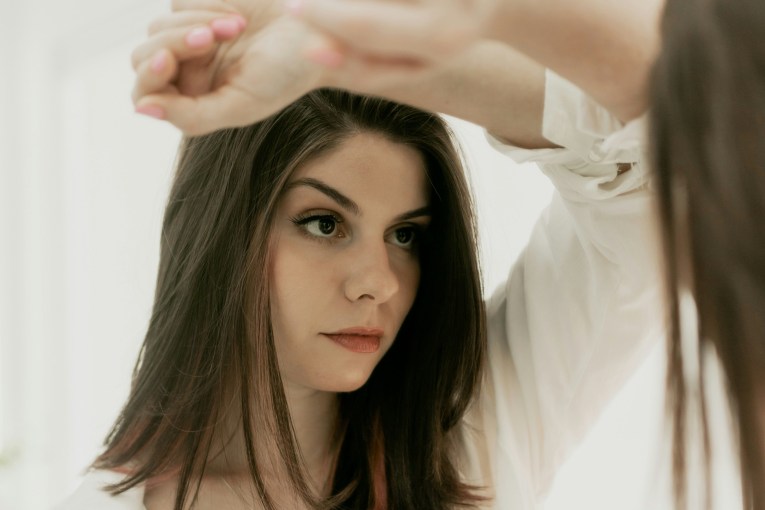
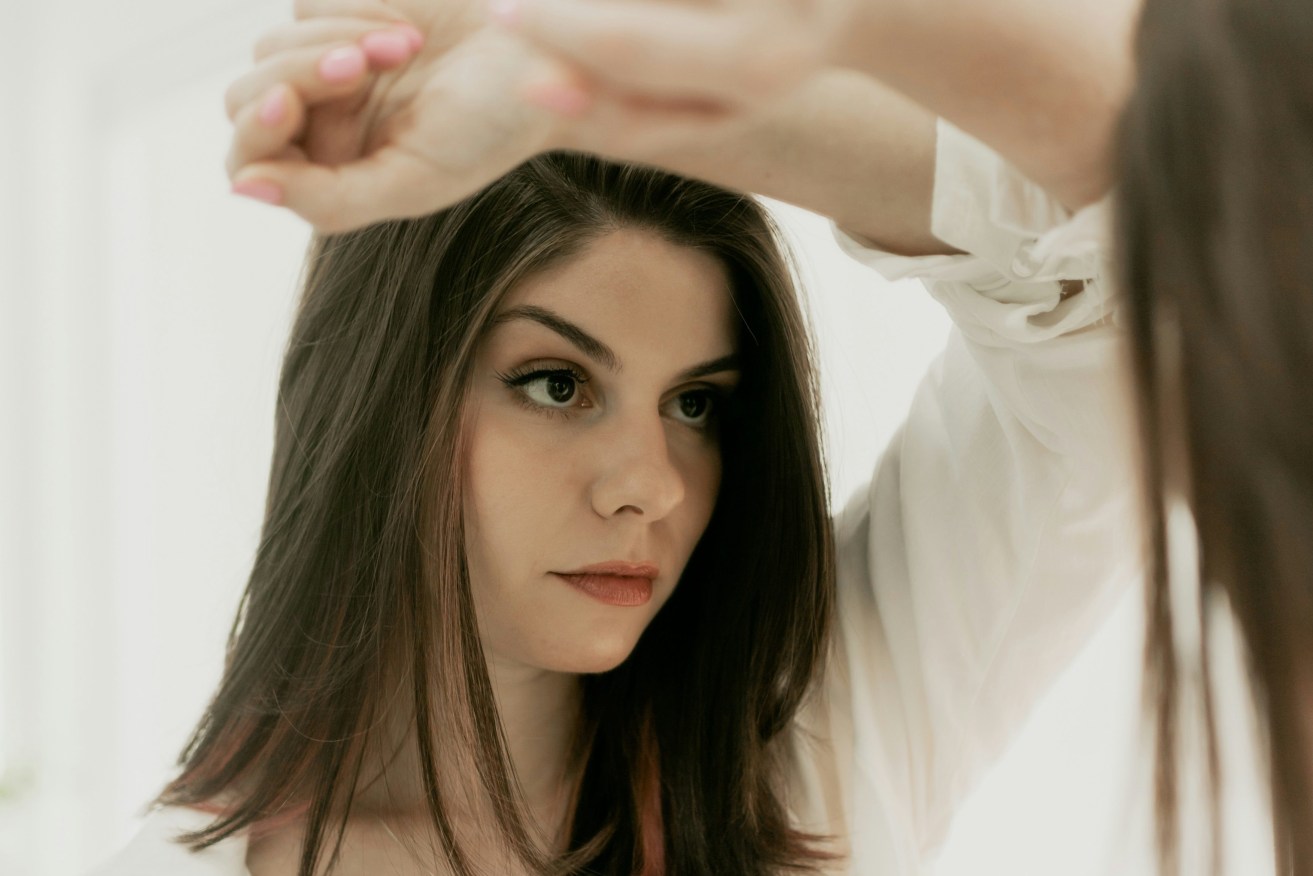
The term “ferritin face” is having its moment on the socials, with some users claiming that dark circles under the eyes, dull, tired-looking skin, cracked lips and hair loss are telltale signs of low iron.
According to Vogue UK, since emerging in mid-to-late 2026, #FerritinFace has accumulated over 16 million views on TikTok. Meanwhile, Harper’s Bazaar Australia reports that Google searches for “ferritin face” have surged 5000 per cent year on year. It has also gained traction on Instagram, where Reels unpacking the term regularly draw tens of thousands of views.
But is there any truth to the ferritin face phenomenon? And how can you tell if you’re actually low in iron?
What is ferritin and how does it relate to iron?
Iron is an essential mineral that helps your body produce haemoglobin, the protein in red blood cells responsible for carrying oxygen around the body. It’s also important for energy production and healthy cell function.
Ferritin, on the other hand, is a protein that stores iron for when your body needs it.
Low ferritin levels can be an early sign that your body’s iron stores are running low, even before you develop iron-deficiency anaemia.
Signs of low iron include fatigue, weakness, shortness of breath, pale skin, dizziness or lightheadedness, and irritability.
Certain groups of people are more at risk of developing low iron, including women who experience heavy periods, vegetarians and vegans, people who regularly donate blood, infants and children – particularly during growth spurts.
Can your appearance reveal your ferritin status?
While the ferritin face trend may raise awareness of iron deficiency, medical experts are also using social media to warn against self-diagnosing the condition by looking in the mirror.
“Low iron in the context of anaemia can show up as pale, dull skin, cracked corners of the mouth, crumbly nails,” London-based physician Dr Sam Bunting said in an Instagram post.
“But other things can look like this too, like thyroid abnormalities and other vitamin deficiencies.”
She also warned that taking iron supplements unnecessarily can contribute to oxidative stress, which is associated with skin ageing.
“If you’re worried, I’d always ask your GP to check your iron stores before you supplement … the moral of the story is: Test first, then treat,” Bunting said.
Aesthetic doctor Dr Sepi Shahidi also took to Instagram to clarify just how much appearance can reveal about iron levels.
“You cannot diagnose low iron from the way you’re looking. If you’re having a particularly bad couple of weeks, it doesn’t mean you’re low iron,” she said.
“Yes, having low iron can affect your aesthetic appearance. It can cause lacklustre skin. It can cause hair shedding, it can cause tired eyes, darker circles around your eyes … However, it is not just [low iron] that causes these things.”
Shahidi said lack of sleep, dehydration, poor nutrition and stress could also be behind changes in appearance.
“Before you make any assumptions, get your iron checked by a medical professional. You can get that easily confirmed before just diagnosing yourself because you don’t like the way you look.”
How is low iron treated?
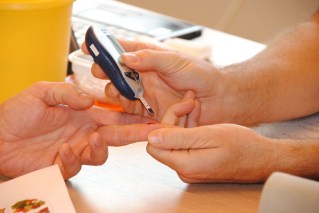
If a blood test has confirmed low iron, your doctor will work with you on a plan to get your levels back to normal, taking into account the cause and your circumstances.
This may involve eating more iron-rich foods, taking iron supplements or a combination of both. In some cases, an intravenous iron infusion may be needed.