The collagen craze promises younger‑looking skin, but the evidence is less convincing

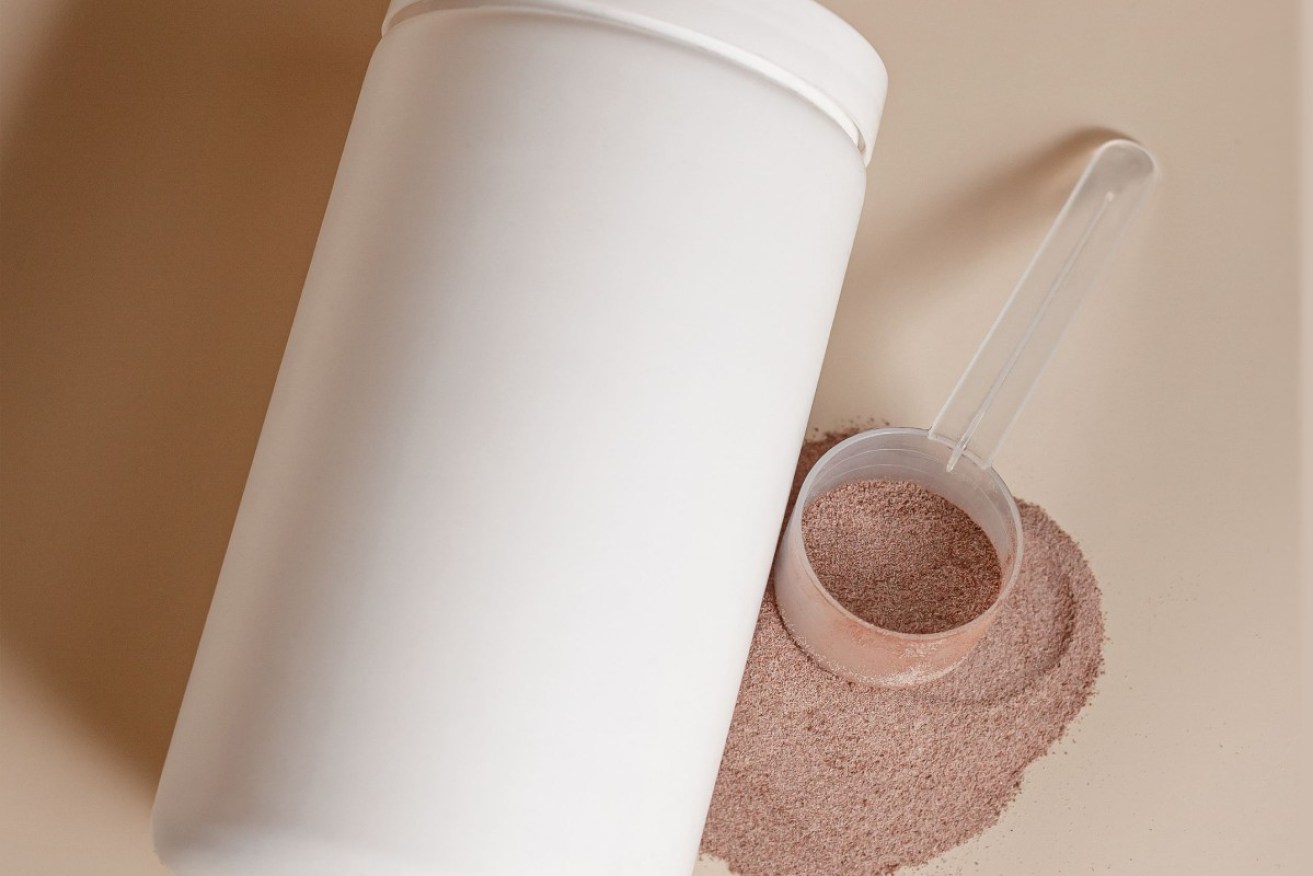
Collagen powders are increasingly being added to coffee and other drinks. Photo: Pexels
Collagen marshmallows are now a thing. So are collagen chips.
If neither appeals, you can stir collagen powder into your morning coffee.
Social media is full of products promising to replenish the collagen we lose as we age.
The claims extend beyond firmer skin and fewer wrinkles to healthier joints and improved gut health.
But what happens to collagen when we eat it? And can these products persuade our bodies to make more?
In the Strange Health podcast, investigating unusual health and wellness trends, I explore the collagen boom with my co-host Dan Baumgardt, a practising GP and lecturer at the University of Bristol.
We spoke to Joan Chang, a collagen researcher and senior lecturer at the University of Manchester, who explains why the answer is more complicated than a scoop of powder.
Can collagen supplements deliver on their promise?
Collagen is the body’s most abundant protein. It provides the structural framework for our skin and tendons, among other tissues. But it isn’t one substance doing one job.
Scientists have identified at least 28 types, with different structures and functions.
As we get older, collagen production and maintenance change. That has helped create a market for products promising to replace what we’re losing.
Chang explains why consuming collagen doesn’t mean it will be delivered intact to your face or knees. The digestive system breaks it down into smaller components, which the body can use in different ways.
Some clinical trials suggest benefits for skin hydration or elasticity, but the evidence is contested.
A 2025 review of 23 trials found that apparent improvements disappeared when researchers looked only at higher-quality studies or those without pharmaceutical-industry funding.
And what about applying collagen directly to your face? Chang explains why large collagen molecules generally cannot pass through intact skin, leaving many collagen creams functioning mainly as moisturisers.
Salmon DNA to artificial corneas
The episode also ventures into the stranger corners of the beauty industry, including PDRN (polydeoxyribonucleotide, if you fancy trying to pronounce it), an ingredient often derived from salmon or trout DNA that’s being marketed as the latest way to boost collagen and rejuvenate skin.
Baumgarddt examines the evidence, including an important distinction between using a substance in wound healing and expecting a serum to rejuvenate healthy skin.
We also look at microneedling, where tiny needles deliberately puncture the skin to stimulate repair. Professional treatments may improve scarring, but home attempts carry risks, including infection and further scarring.
Looking to the future, some of collagen’s most remarkable applications are in medicine. Researchers have used its structural properties to develop wound dressings and experimental corneal implants designed to restore sight.
Listen to the episode for a closer look at what collagen can do, which claims deserve scrutiny and whether your next skincare purchase really needs to involve fish DNA.
Katie Edwards, is host of Strange Health podcast, The Conversation