More concerning fails cast doubt on sunscreen protection claims

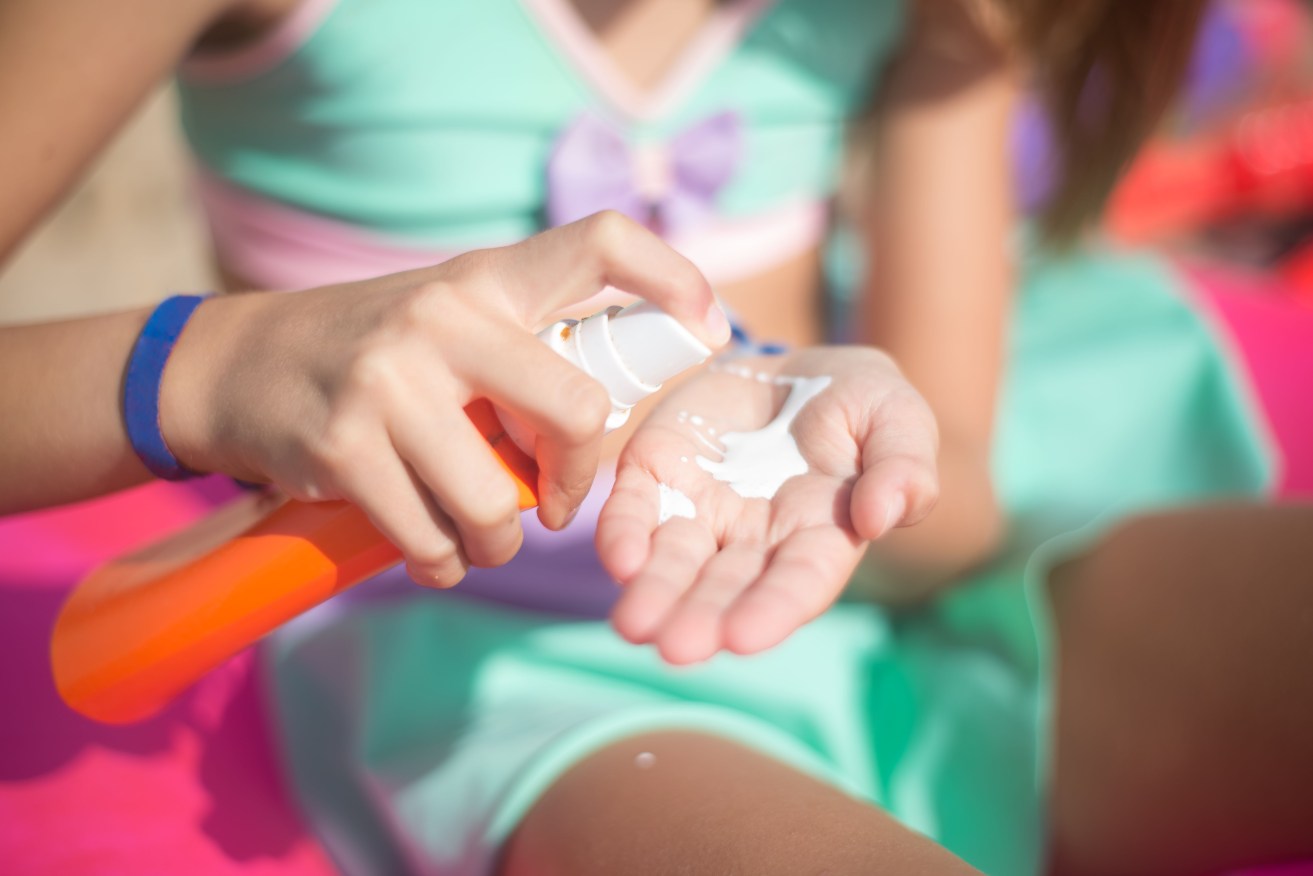
Despite the results, most of the products in the tests still offer good sunscreen protection. Photo: Pexels
Consumer group Choice has uncovered more concerning irregularities in the sunscreen market, with an overseas study finding more products sold in Australia failed to meet SPF claims.
They include a product that Choice says isn’t registered as a primary sunscreen and shouldn’t be sold in Australia – but is available through popular online marketplaces.
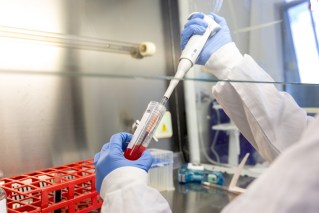
“Testing by Consumer NZ has found that six of seven sunscreens also available in Australia failed to meet their SPF claims,” Choice consumer impact director Andy Kelly said on Friday.
“While they all still achieve a high level of protection, consumers should be able to trust that they’re getting the highest level of protection – as advertised on the bottle.”
The fails in the New Zealand test all claimed SPFs of 50+ but actually had rates in the 30s and 40s. One product, which is not sold in Australia, had an actual sun protection factor of just 14.
Kelly said there was most concern about Beauty of Joseon Ginseng Sun Moist Serum. An unregistered “sun serum”, it had an SPF of 41.
“Beauty of Joseon [is] for sale from Australian-based retailers including Kmart Marketplace, where it is advertised as a sunscreen in the product listing,” Kelly said.
“We have referred this and the other results to the TGA to investigate.”
Last week, the Therapeutic Goods Administration said it would push ahead with reforms to strengthen transparency around sunscreen protection in Australia and make regulatory obligations clearer for manufacturers.
It follows Choice testing in 2025 that found 16 of 20 sunscreen products did not meet the SPF claims made on their labels.
Under the new rules, brands will have to test finished products, provide results to the TGA before products are listed, and continuously test products after listing.
Labs conducting tests on products available in Australia will also have to get international accreditation.
The New Zealand testing found similar issues in sunscreens sold in that country.
“These new test results from Consumer NZ continue to highlight issues with the regulation of sunscreen in Australia, and are a timely reminder that the proposed improvements to testing requirements released by the TGA this week should be expedited,” Kelly said.
“The TGA should also be conducting routine evaluation and testing of sunscreen products.”
Consumer NZ sent its testing results to the companies whose products did not meet their SPF label claims and asked for evidence supporting those claims. Choice said the responses varied: Some supplied earlier test reports or arranged further testing, while others declined to provide reports or did not respond.
Last week, experts warned that doubts about the efficacy of sun products shouldn’t deter Australians from using them. The Public Health Association of Australia said sunscreens worked and did help prevent skin cancer.
“People in Australia should not lose faith in them,” PHAA CEO, Adjunct Professor Terry Slevin said.
“Consistent epidemiological evidence proves they’re vital sun protection products, and are part of a suite of skin cancer prevention measures that have been key public health messages for decades.”
He said sunscreen alone wasn’t enough protection for Australia, which has the highest rates of skin cancer in the world.
“You also need to seek shade, wear protective clothing and a hat, and slide on sunglasses,” he said.
“Don’t forget to apply the correct amount of sunscreen on exposed skin 20 minutes before you head outside, and reapply it at least every two hours.”
In a 2019 report, the PHAA listed skin cancer prevention as one of the top 10 public health successes of the past 20 years.