Food app promotions delivering more unhealthy choices
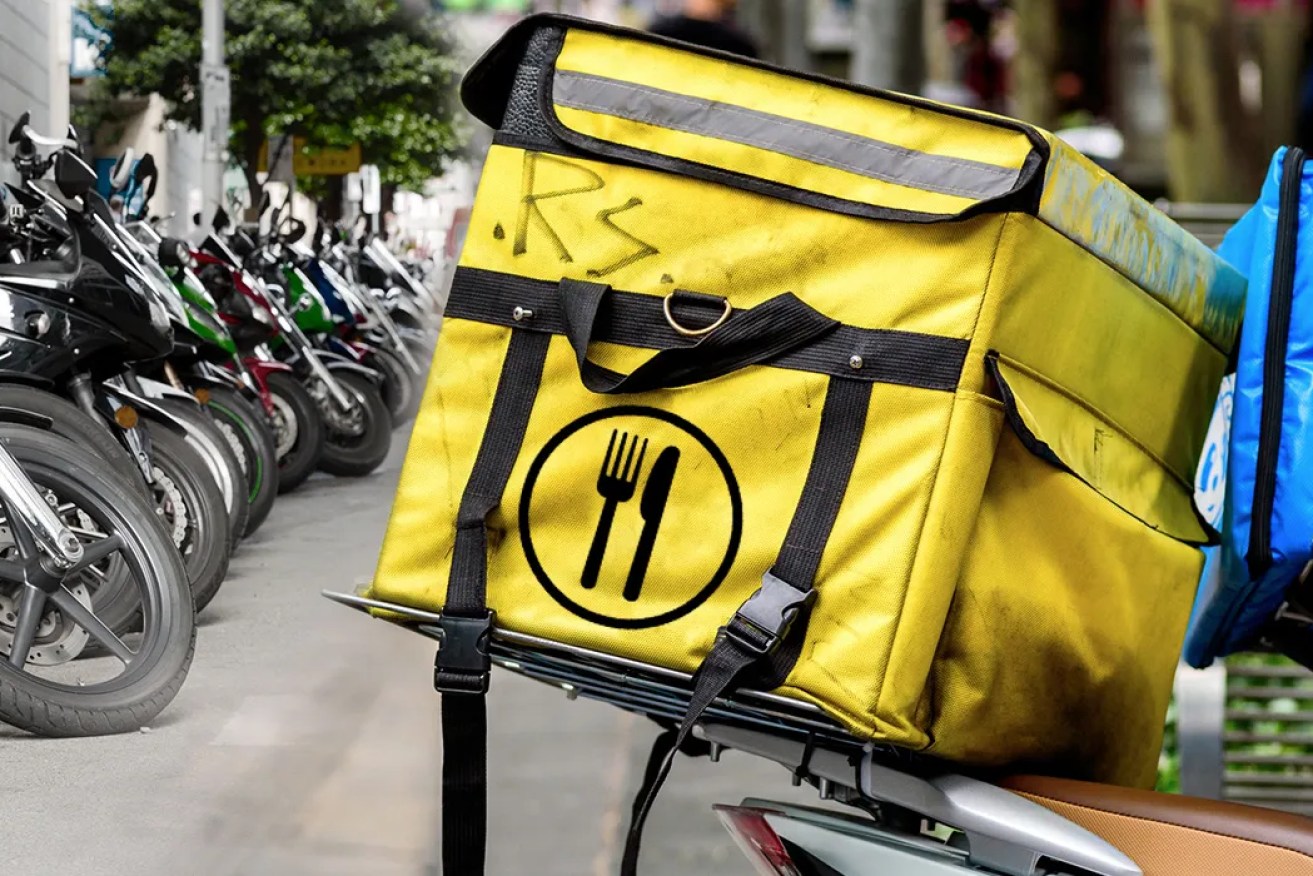
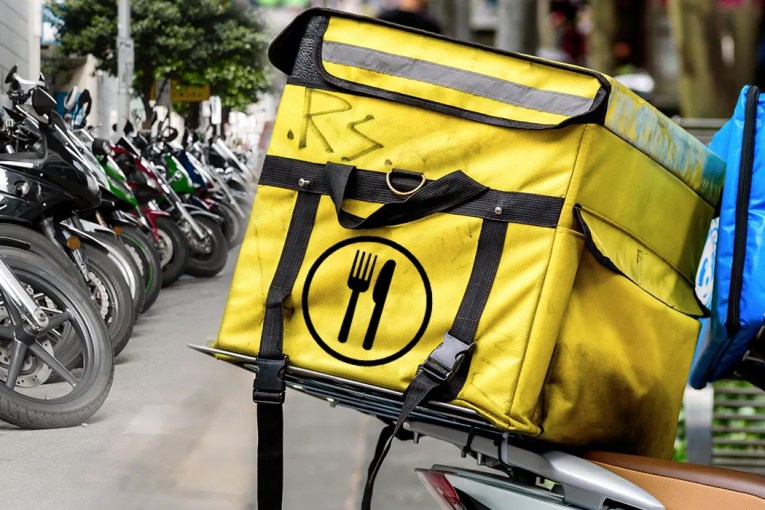
The online food delivery market is expanding rapidly, and is expected to continue growing. Photo: The New Daily
Getting a bargain on delivery apps helps Australians feel less guilty about ordering junk food, researchers say.
The national study led by researchers at the South Australian Health and Medical Research Institute surveyed adults across the nation about their use of apps like Uber Eats and DoorDash.
The study spanned a range of users – from people who use the apps regularly to those who only use them occasionally.
They found people associated the apps with “treat” foods, and did not pay much attention to nutrition information.
Study lead author Jess Morrison said convenience also pushed people to order online.
“A lot of people, after a long day at work, were seeking [the apps] out. Maybe they forgot to get groceries, and it was just easier,” Morrison said.
“Other people thought that this could help them give them more time back to spend with their kids … so it was kind of a trade-off between the money spent and the time this gave them.”
She said participants looked at promotional deals – such as free delivery, 20 per cent off or buy one get one free – before deciding what to eat.
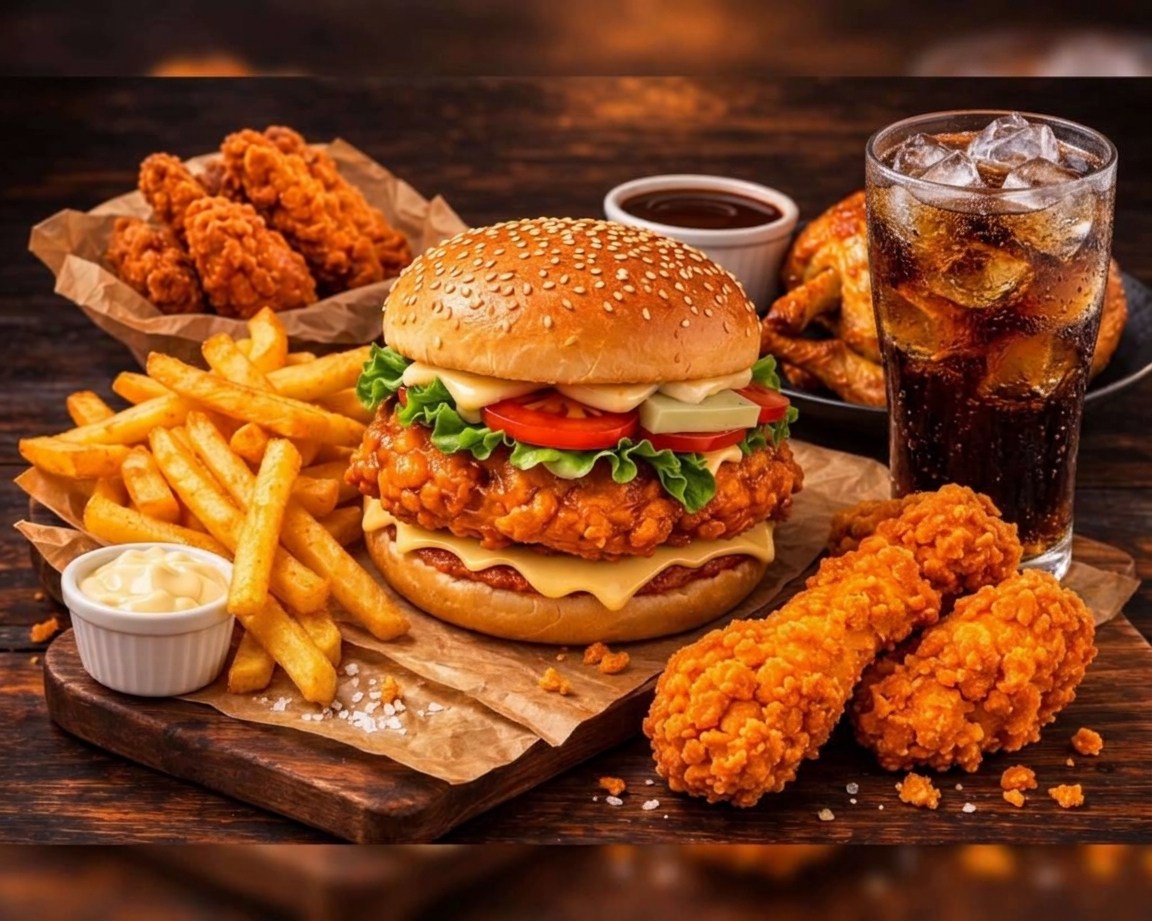
Online platforms are not effectively covered by kilojoule labelling regulation. Photo: TND Photo: Pexels
Such deals often tipped users in favour of ordering in rather than cooking, Morrison said.
“These apps are definitely just designed to bombard you with promotions,” she said.
“Many said that offers helped justify the cost of using the apps and reduced the guilt of choosing less healthy foods.”
The findings have prompted calls for government intervention, with Morrison saying online platforms were not effectively covered by kilojoule labelling regulations.
She also wants measures that encourage people to order healthier options, such as restricting promotions on unhealthy foods.
“Given how much promotions influence choices, policy action in this space could make a real difference,” she said.
The online food delivery market is expanding rapidly, and is expected to continue growing.
Statista reported more than 8.3 million Australians used food-delivery services in 2024 and predictions from Mordor Intelligence found the food service market would grow by 11.45 per cent annually.
Public Health Association of Australia chief executive Terry Slevin said regulation was not keeping up with this lifestyle change.
“We need nationally consistent menu labelling requirements that apply wherever food is sold,” Slevin said.
“Consumers should have access to the same nutrition information whether they order at the counter, through a restaurant’s own app or through a meal-delivery platform,” he said.
-AAP