Australians lose sleep – and work – as temperatures rise

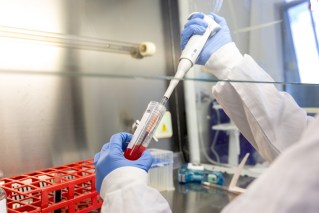
A new report calls for climate change to be recognised as a health emergency. Photo: TND/Pexels
Australians are literally losing sleep over global warming, an international report has revealed, as rising temperatures make it harder to rest, exercise and work outdoors.
Climate change is also costing the Australian economy $6.6 billion a year in potential lost earnings, while contributing to more droughts and heatwaves.
Researchers released the findings in the annual Lancet Countdown report on Wednesday, which also revealed that heat-related health risks and deaths increased across the world in the decade since the Paris Agreement.
The report’s authors called for climate change to be formally recognised and treated as a global health emergency, just weeks before world leaders were expected to meet in Turkey for the COP31 climate summit.
Researchers from more than 100 institutions contributed to the 10th annual Lancet Countdown on Health and Climate Change report, led by University College London.
They analysed the impact of climate change on human health, including heat-related deaths, infectious diseases, and risks from air pollution and food insecurity, as well as efforts to reduce fossil fuel and greenhouse gas emissions.
The report found health risks had accelerated, with annual average heat-related deaths rising by almost 36 per cent to 540,800 between 2016 and 2023.
In 2023, heat was linked to 710,000 deaths worldwide, and 71.5 per cent could be attributed to climate change.

Australians have been exposed to a surge in risky outdoor conditions. Photo: AAP
More than half of the world’s land experienced at least one month of extreme drought during 2025, it found, while more heatwaves and droughts contributed to food insecurity for an additional 127.9 million people in 2024.
The findings clearly demonstrated the rising risks of global warming and underlined the need for greater action, Lancet Countdown executive director Professor Marina Romanello said.
”A decade after the Paris Agreement, our findings are unambiguous: the health harms of climate change are growing faster than the world’s response to them, and in many cases even accelerating,” Romanello said.
”Progress has been too slow, too small, and isn’t reaching those who need it most.”
Rising night-time temperatures caused Australians to lose an average of 34 hours of sleep each year between 2021 and 2025 – 1.4 hours more than they did in earlier years, the report found.
Australians were also exposed to more than 100 additional hours of risky outdoor conditions than in the 1990s, while heat reduced their capacity to work by an average of 127 million hours a year at a potential cost of $6.6 billion.

A world of more heatwaves and droughts doesn’t bode well for firefighters. Photo: AAP
The report recommended recognising climate change as a global health emergency through United Nations and World Health Organisation measures, as well as reducing greenhouse gas emissions.
Evidence for the change was clear and emission reductions must follow, Lancet Countdown board chair and former New Zealand prime minister Helen Clark said.
”Governments must double down on their climate action commitments and rebuild momentum for international co-operation,” she said.
-AAP