How sniffing chocolate could fuel your gym workout

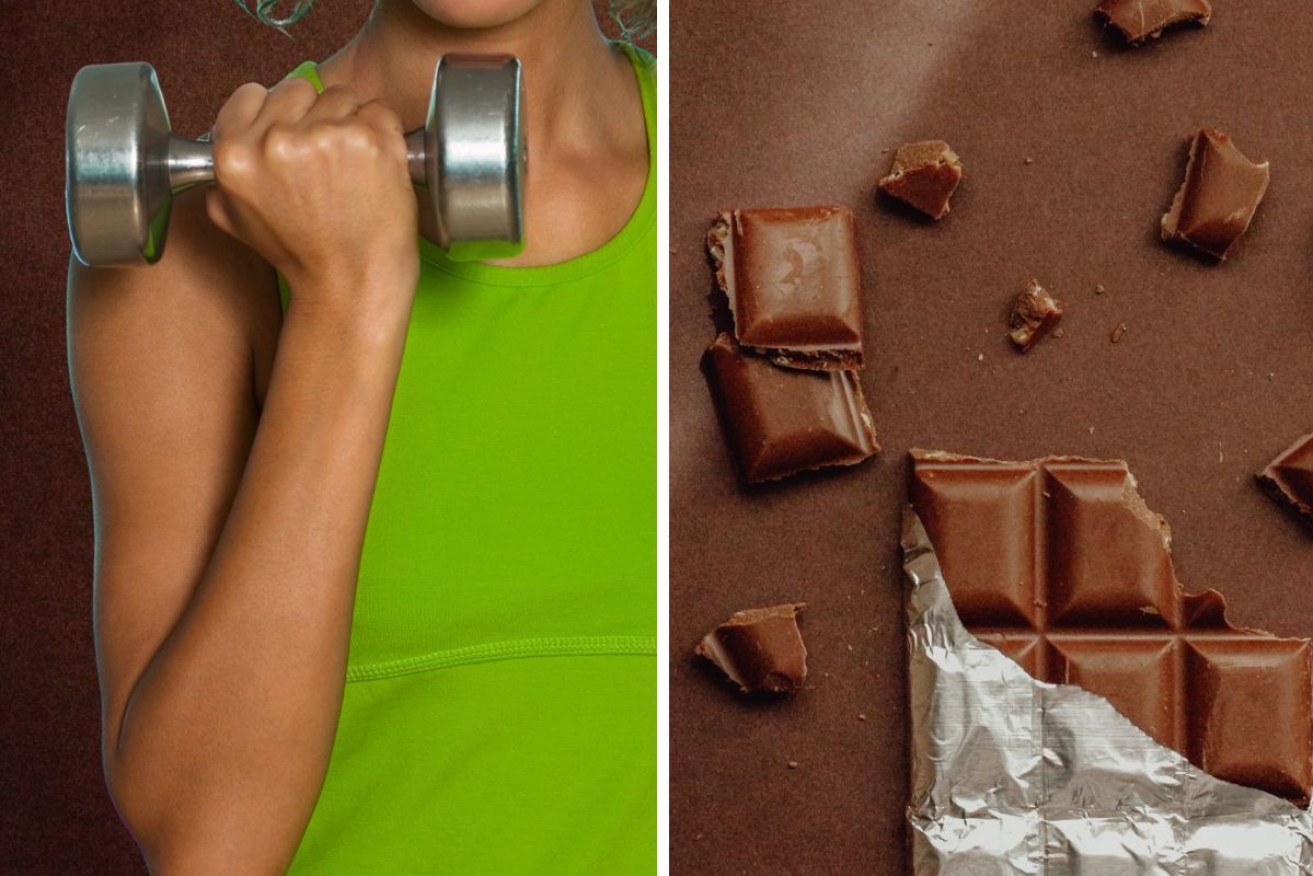
The scent of chocolate sends cues that scientists say can affect a workout session. Photos: Pexels
Ever thought of sniffing dark chocolate to make you feel fuller and perhaps even help you power through a training session at the gym?
No? Well, that’s hardly surprising, but new research suggests there’s more than a whiff of truth in the suspected link between smell, appetite and exercise.
The study, published this week in Frontiers in Physiology, found that sniffing dark chocolate with a high cocoa content both curbed feelings of hunger and led participants to add more repetitions to their workout sets.
“Exposing moderately trained men to chocolate odours right before and between sets of resistance exercise significantly increased their overall training volume without increasing their perceived exertion,” said the senior author, Mohamed Nashrudin bin Naharudin.
“Seeing a substantial increase in repetitions without the athletes feeling like they were exerting themselves any harder is a fascinating psychobiological outcome.”
Although our sense of smell is already understood to be connected with appetite and emotion, no previous study has looked at the three-way interaction between smell, appetite and resistance exercise capacity, according to Naharudin, who is based at the University of Malaya’s Faculty of Sports and Exercise Science.
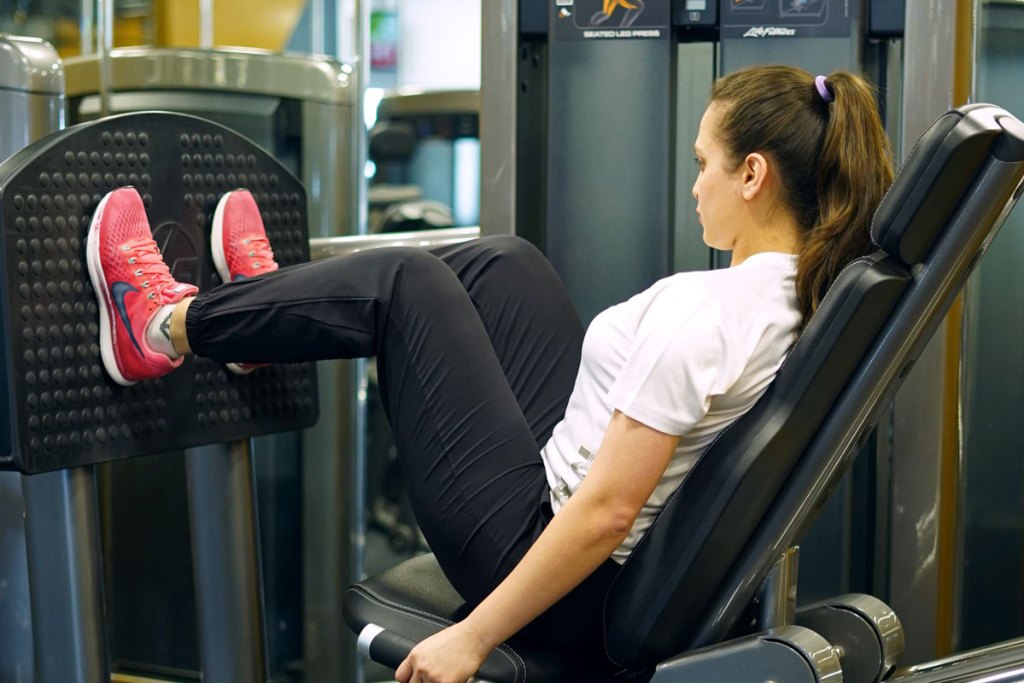
Certain smells may boost resistance exercise capacity. Photo: Pexels
The Malaysian research involved a sample of 23 men aged in their early to mid-20s who were divided into three groups.
Each group was provided with an “odour sample” of either liquified dark chocolate containing 90 per cent cocoa, liquified milk chocolate containing 60 per cent cocoa, or a water sample (serving as a control).
None of the men ate anything in the 10 hours leading up to the workout experiment, which involved performing sets of leg extensions.
Researchers found that participants who sniffed the dark chocolate consistently reported feeling less hunger and greater fullness before exercise, with their performance also boosted. The milk chocolate sniffers didn’t feel more full, but the pleasant smell of it still seemed to help their workout.
“Sniffing a 90 per cent dark chocolate odour added about 18 more repetitions to participants’ leg extensions, while a 60 per cent milk chocolate odour added about nine repetitions compared to the water control,” said Naharudin.
Although the study noted that a more diverse group of participants would be needed to confirm the findings, it said the experiment suggested that the anticipation of food could have similar effects to its actual consumption.
The idea that the mere smell of chocolate could help us exercise may seem novel, but previous research has ventured into similar olfactory territory.
A 2020 study involving lab mice and carried out by researchers at the University of California, Riverside, found that smell could play an important role in motivating mammals to exercise.
“It’s not inconceivable that someday we might be able to isolate the chemicals (ie smells) and use them like air fresheners in gyms to make people even more motivated to exercise,” co-author co-author Theodore Garland jr said at the time.
“In other words: Spray, sniff, and squat.”
A 2024 systematic review of 19 different studies from around the world concluded that certain types of odours – such as peppermint and lavender – appeared to enhance different aspects of physical activity including strength, cardiovascular function and balance.
“Among results, an important distinction was made between pleasant and unpleasant odours,” said the research, which was published in Physiology and Behaviour journal.
“Therefore, pleasant odours had better results on physical activity by improving participants’ feeling.”
The various studies reviewed had reported a number of interesting findings, including that lemon and orange produced a sense of wellbeing during physical activity, ammonia increased heart rate and alertness, lavender improved balance, and peppermint increased cardiovascular function as well as adding two push-ups at maximum effort.
“Two extra push-ups may not seem like much, but bear in mind that we’re talking about fit young people for whom performance improvement is harder to achieve,” said Mathieu Cournoyer, who conducted the review while a master’s student at the University of Montreal.
Returning to the new chocolate study, Naharudin suggested that the change in hunger signals brought about by sniffing dark chocolate could be related to what people learn about smells from a young age.
“The dark chocolate scent serves as a learned cue for a rich, bitter, and highly satiating food, which essentially tricks the system into an anticipatory state of fullness,” said Naharudin.
“Conversely, the sweeter milk chocolate scent acts more like a hedonic reward cue, enhancing training volume by creating a highly pleasant sensory environment rather than by shifting basic metabolic hunger signals.”
He doesn’t believe chocolate is the only food that can trigger the responses seen in the Malaysian research.
“A person likely needs to find the odour familiar and appealing – or at least not repulsive – to trigger the psychological shift in appetite that’s needed to see a performance boost.”