A dose of birdsong may work as therapy for depression

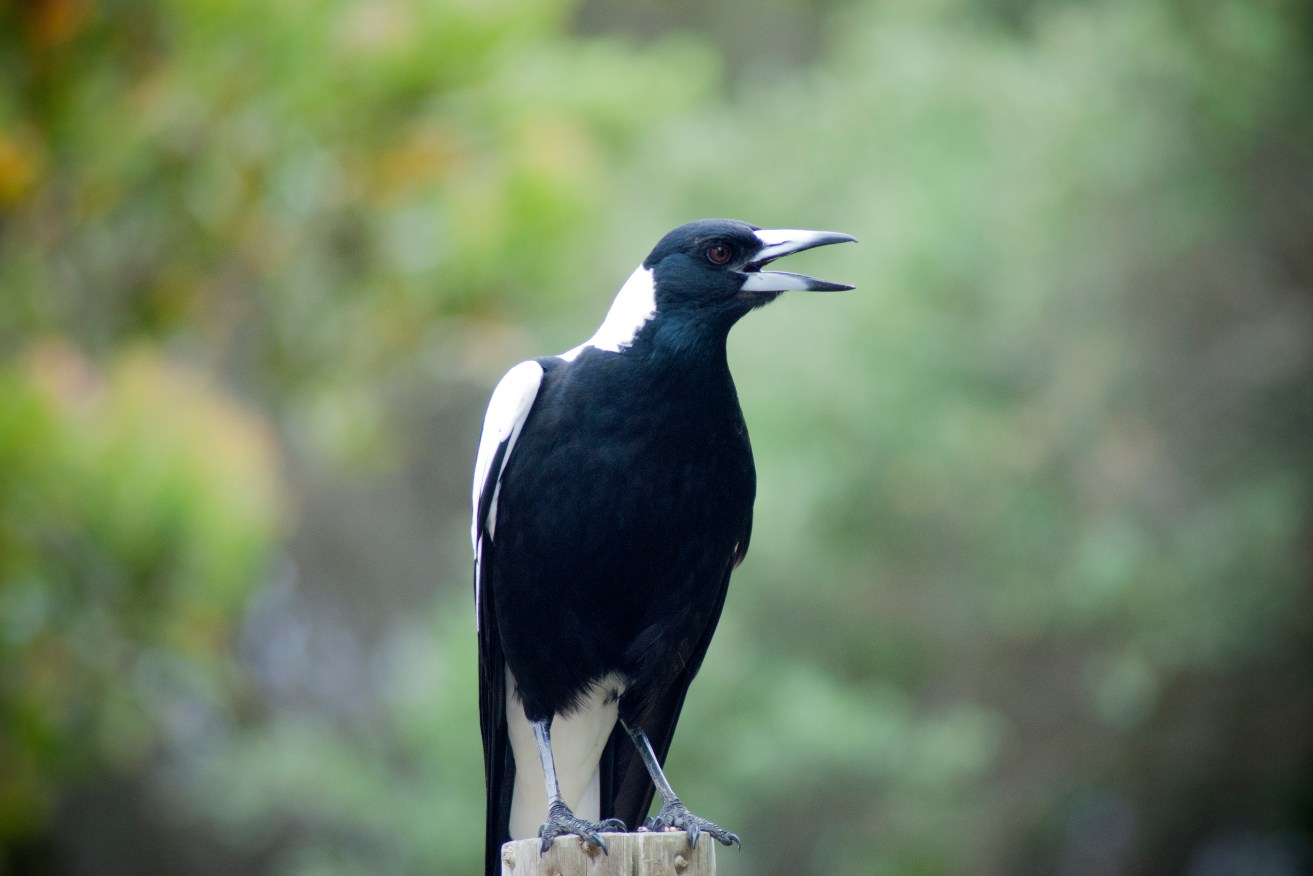
The passionate carolling of magpies and butcher birds are among the more beautiful songs of Australian birds. Photo: Getty
When many Australians were subject to hard lockdowns, access to nature in the form of parks and public gardens and beaches was significantly restricted.
This was especially the case in Melbourne, where outdoor exercise was sometimes restricted to an hour a day.
It meant that a simple remedy for some of the mental health pressures brought on by COVID-19, and the attendant social restrictions, wasn’t available to a lot of people.
As we’ve previous reported – see here and here – access to green and blue spaces is strongly associated with better mental health.
Turning that around, people with restricted access to nature are prone to more depression and anxiety.
Birds flew in to fill the gap
However, new research shows that we weren’t cut off from nature completely.
With less traffic noise, the complexity and diversity of birdsong – all those whistles, chirrups, cackles and cries, many of which we don’t get to hear when the roads are busy – became more apparent.
Researchers suspected that exposure to birds might help offset the mental stress of COVID-19.
When nature makes a house call
In September 2020, The British Natural History Museum published a survey in which 73 per cent of people reported hearing louder birdsong during the COVID-19 lockdown in the UK.
Many said that it “comforted and calmed them at a time of crisis”.
The museum cited work by Dr Eleanor Ratcliffe, a lecturer in environmental psychology at the University of Surrey, who has published a number of papers on how natural soundscapes provide psychological and emotional restoration.

When you’re laughing the while neighbourhood laughs with you. Photo: Getty
In particular she’d looked at how bird sounds may restore attention and alleviate stress.
One of these studies consisted of an online test with 174 British residents listening, rating, and commenting on 50 different bird sounds from the UK and Australia.
Her research found some bird sounds offered relief from mental fatigue and stress, especially melodious songbirds, such as thrushes, or birds that had a nostalgic quality, such as the call of woodpigeons in summer.
Birds of a more raucous tone, or suffering from a poor or dirty reputation, or subject to superstition such as owls, tended to get on the nerves of some people.
Overall, though, Dr Ratcliffe was “able to show that bird sounds can create similar relaxing experiences as seeing nature or going for a nature walk”.
The case for ‘bird therapy’
Last month, researchers from King’s College London published a new study that found “that seeing or hearing birds is associated with an improvement in mental wellbeing that can last up to eight hours”.
Strikingly, this improvement “was also evident in people with a diagnosis of depression” – and the researchers suggest that ‘bird therapy’ could be prescribed to people with depression who resist lifestyle therapies such as exercise.
This was a neat experiment where the researchers tracked the impact of birds on mental health “in real-time and in a real environment”.
Key to this was a smart phone app called Urban Mind which “measures your experience of urban or rural living in the moment”.
The study
The study took place between April 2018 and October 2021, and involved 1292 participants recruited worldwide.
The majority were based in the United Kingdom, the European Union and United States of America.
The app asked participants three times a day whether they could see or hear birds, followed by questions on mental wellbeing. From this the researchers to established an association between the two and were able to estimate how long this association lasted.
The study also collected information on existing diagnoses of mental health conditions and found that hearing or seeing birdlife was associated with improvements in mental wellbeing in both healthy people and those with depression.
Andrea Mechelli, professor of early intervention in mental health at King’s said: “We know exercise makes everyone feel better. But it’s incredibly challenging to motivate someone with depression to exercise. Whereas contact with bird life is something that, perhaps, is feasible.”
Or, going further, birds could be a lure to get people out of the house, and to keep moving.
Also published last month was a study from the Max Planck Institute for Human Development that found that “listening to birdsong reduces anxiety and paranoia in healthy participants”
Why might this work?
This doesn’t come out of the blue.
Googling “birdwatching” and “mental health” and you’ll find plenty wellness and academic sites describing a range of benefits that make sense. These include:
- It encourages mindfulness. ·
- It keeps you physically active.·
- Exposure to nature is healing.
- It keeps you social.
- It provide moments of awe. ·
Birdwatching doesn’t require you to dress up in camo gear and a funny hat and say things like :”harken to the call of the scarlet robin”. Although a cheap pair of binoculars won’t hurt.
And you don’t need to drive miles to bushland.
Your local park surprise and delight you with the diversity of bird species. You just have to look.
Birds in Backyards is a citizen science project and a great resource.
And they even have a Top 40 of Australian birdsongs.