Would subsidising weight loss drugs make health care fairer?

Making treatment fairer is important. So is reducing the need for the treatment in the first place. Photo: Pexels
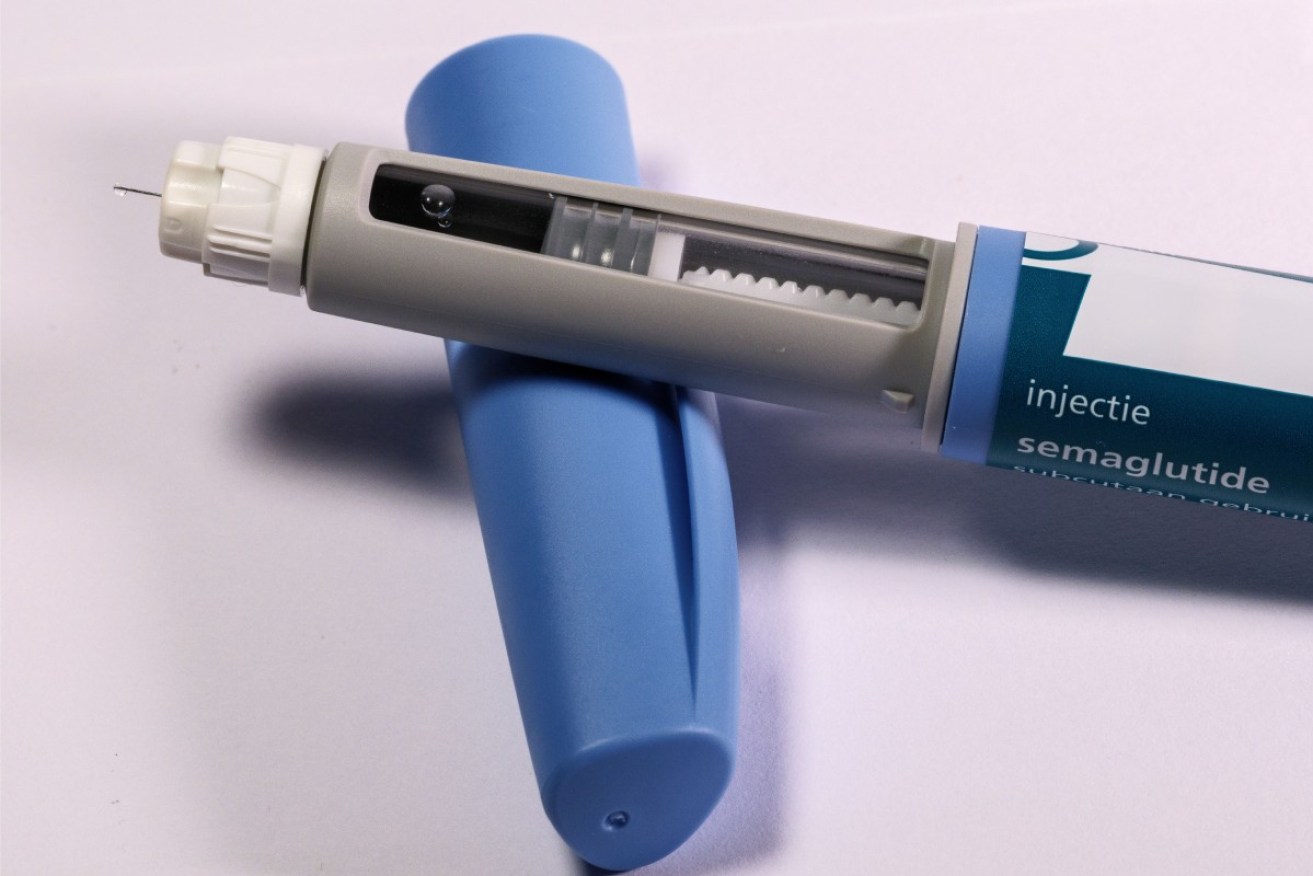
GLP-1 medicines such as Ozempic, Wegovy and Mounjaro have transformed the treatment of obesity, but access to them in Australia increasingly depends on something much less medical – whether you can afford them.
Around half a million Australians are now using GLP-1 medicines. Nearly half access these medicines privately, paying between $200 and $700 a month out of pocket.
Calls are becoming louder for the Australian government to subsidise GLP-1 medicines for people living with obesity who do not have diabetes. This is because obesity costs the Australian economy billions of dollars each year.
But would subsidising GLP-1 medicines make health care in Australia fairer? Or would that money be better invested in the environments that shape health, such as affordable nutritious food, access to health care and better opportunities for physical activity?
GLP-1 medicines work – while you take them
A 2025 review involving almost 28,000 people found that semaglutide (the active ingredient in Ozempic and Wegovy) led to an average weight loss of around 11 per cent of body weight compared with placebo.
Importantly, most people maintained that weight loss for up to two years if they continued taking the medication.
But there’s a catch.
Like many treatments for chronic conditions, GLP-1 medicines appear to work best while people continue taking them. Clinical trials show people generally maintain their weight loss during treatment. But they are not paying hundreds of dollars a month out of pocket.
In the real world, cost is one of the biggest barriers to ongoing use. Some research suggests more than half of users stop treatment within six months, most commonly because they can no longer afford it.
Stopping the medication often means some weight returns. A recent analysis estimated that people regained around 60 per cent of the weight they had lost within a year of stopping GLP-1 medicines, although weight regain slowed over time.
Even so, people were projected to maintain around 25 per cent of their original weight loss in the longer term. For someone who lost 20 kilograms, that would mean regaining 15 kilograms, but remaining 5 kilograms lighter than when they started.
This suggests GLP-1 medicines may need to be viewed less as a short-term weight loss aid and more as a long-term treatment for a chronic condition.
But that raises an important question: If people need ongoing treatment to maintain the benefits, what happens when ongoing access depends on their ability to pay?
Burden of obesity isn’t shared equally
Obesity and type 2 diabetes are not distributed evenly across the Australian population.
Rates are consistently higher among people experiencing socioeconomic disadvantage, in many regional and remote communities, and among Aboriginal and Torres Strait Islander people.
This matters when we talk about who should pay for treatment. Obesity isn’t simply a matter of personal responsibility. Our health is shaped by income, housing, education, access to health care, transport and the cost of healthy foods.
Two people can receive exactly the same advice about healthy eating and physical activity, but have very different opportunities to follow it.
Someone with secure housing, predictable working hours, reliable transport and access to affordable, nutritious food starts from a very different position to someone experiencing financial stress, working multiple jobs, or living a long way from health services.
This means those people most likely to experience obesity and obesity-related complications are often the Australians least able to access effective treatment.
This creates a paradox. The Australians carrying the greatest burden of obesity and its complications may be among the least able to afford one of the most effective treatments now available.
When effective treatment is financially out of reach, people may look for alternatives. Current access to GLP-1 medicines is increasingly influenced by commercial telehealth providers focused on weight loss and reports of black-market access through unregulated sources have also emerged.
These pathways may not provide the medical, nutritional and psychological support needed to use these medicines safely.
The bottom line
Wider access to GLP-1 medicines could make effective obesity treatment available to Australians who currently can’t afford it.
But, subsidising medicines won’t change the social and environmental conditions that contribute to unequal rates of obesity in the first place.
Australia still needs investment in affordable, nutritious food, prevention, primary health care, and environments that support physical activity.
Making treatment fairer is important. So is reducing the need for the treatment in the first place.
Lauren Ball is Professor of Community Health and Wellbeing at The University of Queensland and Emily Burch is a Practising Dietitian and Lecturer at Southern Cross University